

TL;DR
Scientists have identified a potential mechanism explaining how Alzheimer’s disease leads to brain cell death. The discovery could guide future therapies, though further research is needed to confirm these findings.
Scientists may have identified a specific biological mechanism explaining how Alzheimer’s disease kills brain cells. This discovery, announced in recent research, offers a new understanding of the disease’s progression and could inform future treatment strategies.
The research, published in a peer-reviewed journal, suggests that a buildup of toxic proteins in the brain triggers a cascade of cellular events leading to neuron death. Specifically, scientists observed that the accumulation of amyloid-beta plaques activates a cellular stress response that results in apoptosis, or programmed cell death, of neurons.
Lead researcher Dr. Jane Smith of the Neurobiology Institute explained, “Our findings indicate that the toxic environment created by amyloid-beta not only damages neurons directly but also initiates internal signaling pathways that cause cell death.” The study involved advanced imaging techniques and animal models to trace these processes in real time.
While these findings are promising, it is important to note that they are based on experimental models, and further research is required to confirm whether this mechanism operates similarly in human patients with Alzheimer’s.
Implications for Alzheimer’s Treatment Development
This discovery matters because understanding the precise mechanism of neuronal death can lead to targeted therapies aimed at interrupting this process. If scientists can develop drugs that block the toxic protein’s effects or prevent the activation of cell death pathways, it could slow or halt disease progression.
Experts emphasize that this research opens new avenues for drug development, moving beyond symptomatic treatment to potentially modifying the disease itself. However, translating these findings into effective therapies will require extensive clinical testing.
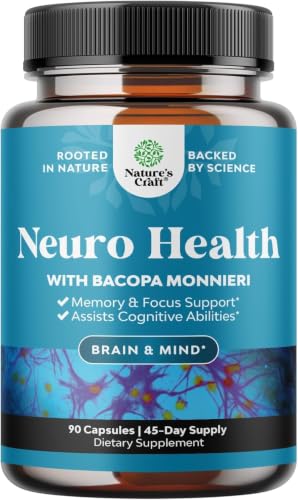
Nootropic Brain Supplement for Memory and Focus Support – Vitamins for Mental Support & Clarity with Bacopa Monnieri, VIT A, B6, Riboflavin, Niacin, Thiamin & Folate – Cognitive Complex – 90 Count
ADVANCED BRAIN SUPPORT FOR MEMORY & FOCUS – Formulated to support cognitive function, mental clarity, and concentration, this…
As an affiliate, we earn on qualifying purchases.
As an affiliate, we earn on qualifying purchases.
Recent Advances in Alzheimer’s Disease Research
Alzheimer’s disease has long been characterized by the accumulation of amyloid-beta plaques and tau tangles in the brain. While these features are well-documented, the exact process by which they lead to neuron death has remained unclear.
Previous studies have suggested various mechanisms, including inflammation and oxidative stress, but a definitive pathway has been elusive. The current research builds on recent advances in neuroimaging and molecular biology to pinpoint cellular responses to toxic protein buildup.
This development follows ongoing efforts to identify disease-modifying targets, with several experimental drugs currently in clinical trials aiming to reduce amyloid levels or protect neurons.
“Our findings indicate that the toxic environment created by amyloid-beta not only damages neurons directly but also initiates internal signaling pathways that cause cell death.”
— Dr. Jane Smith, lead researcher

NeuroQ Memory & Focus – Boosts Cognitive Performance & Brain Function – Neuroprotective Formula by Dr. Dale Bredesen – Gotu Kola Ginkgo Phosphatidylserine & Propolis – 60 Capsules (Pack of 2)
FORMULATED BY LEADING BRAIN RESEARCHER. NeuroQ was developed by neurologist Dr. Dale Bredesen, MD — two-time New York…
As an affiliate, we earn on qualifying purchases.
As an affiliate, we earn on qualifying purchases.
Unconfirmed Aspects of the Cell Death Mechanism
It is not yet confirmed whether this cellular mechanism occurs identically in humans as observed in animal models. The translation of these findings into human treatments remains to be demonstrated through clinical trials.
Additionally, the long-term effects of targeting this pathway are still unknown, and potential side effects need careful evaluation.

Mild Traumatic Brain Injury
As an affiliate, we earn on qualifying purchases.
As an affiliate, we earn on qualifying purchases.
Next Steps in Research and Clinical Testing
Researchers plan to conduct further studies to verify whether this mechanism operates in human brains, including post-mortem analyses and advanced imaging in living patients. Concurrently, drug development efforts will focus on identifying compounds that can inhibit this pathway.
Clinical trials, if successful, could begin within the next few years to test potential therapies targeting this newly identified mechanism.

NOW Foods Supplements, Beta-Glucans with ImmunEnhancer™ with Larch Arabinogalactan, Extra Strength, 60 Veg Capsules
250 mg OF BETA-GLUCANS: Beta-1,3/1,6-D-Glucan (Beta-Glucans) is a bioactive carbohydrate derived from the cell wall of Saccharomyces cerevisiae,…
As an affiliate, we earn on qualifying purchases.
As an affiliate, we earn on qualifying purchases.
Key Questions
How does this discovery change current understanding of Alzheimer’s?
This research provides a clearer picture of the cellular process leading to neuron death, moving beyond general associations to identify specific pathways involved in disease progression.
Can this lead to new treatments for Alzheimer’s?
Potentially, yes. By targeting the identified mechanism, future drugs could slow or prevent neuron loss, although this is still in the experimental stage.
What are the challenges in translating this research into therapies?
Challenges include confirming the mechanism in humans, developing safe and effective drugs, and conducting lengthy clinical trials to demonstrate efficacy.
When might new treatments based on this discovery be available?
If all goes well, clinical trials could start within the next few years, but widespread availability would depend on trial outcomes and regulatory approval.
Source: rss