

TL;DR
Joe Tippens’ cancer remission story has surged in global coverage, with over 30 mentions in recent media outlets. The story highlights his use of an unconventional treatment, sparking widespread discussion and interest worldwide.
Joe Tippens’ cancer remission story is now experiencing a significant increase in global media coverage, with over 30 mentions in recent reports, according to GDELT data. This surge highlights widespread public interest in his account of using an unconventional treatment to combat cancer, making his story a notable topic across multiple international outlets. See more about food service trends and coverage.
Joe Tippens, a cancer patient who publicly shared his experience of remission after using a supplement called CBD oil combined with other therapies, has seen his story gain extensive media attention worldwide. The recent surge, as tracked by GDELT, indicates a 30-fold increase in mentions across news outlets, social media, and health forums. Tippens’ story first gained popularity on social media, where he claimed that a combination of CBD oil and an off-label drug helped his cancer go into remission. While some media outlets have reported his case as inspiring, medical experts emphasize that his story is anecdotal and lacks scientific validation. Nonetheless, the widespread coverage has sparked a broader discussion about alternative cancer treatments and patient experiences outside conventional medicine.Why the Global Media Surge Matters for Cancer Awareness
The increased media attention on Joe Tippens’ story underscores growing public interest in alternative and off-label treatments for cancer. While his case remains anecdotal and not scientifically validated, the coverage can influence patient perceptions and decision-making regarding unconventional therapies. This surge also highlights the power of social media in amplifying personal health stories, which can both inspire hope and raise concerns about unproven treatments. Healthcare professionals warn that such stories should not replace evidence-based medicine but acknowledge their role in patient empowerment and awareness.

(4-Pack) High Potency Hemp Oil – Maximum Strength, Immune System Support, Focus Calm, Relaxation, Mood, Pure Extract, Organic, Vegan, Non-GMO
THE BEST CHOICE: Hemp oil is produced in Colorado, USA. Our Premium Hemp Oil is a carefully cultivated…
As an affiliate, we earn on qualifying purchases.
As an affiliate, we earn on qualifying purchases.
Background on Joe Tippens and the Rise of Alternative Treatments
Joe Tippens’ story emerged in 2020 when he shared on social media that he was diagnosed with advanced cancer and was told he had limited options. He reported that after starting a supplement regimen involving CBD oil and an off-label drug, his cancer went into remission. His story quickly went viral among cancer patients and advocates interested in alternative therapies. Over the past few years, similar anecdotal reports have circulated online, often lacking scientific validation but fueling discussions about non-conventional cancer treatments. The recent media surge, tracked by GDELT, indicates a renewed and expanding interest in his case, with many outlets referencing his personal experience as a source of hope for some patients.
“While personal stories like Tippens’ can inspire, they should not be taken as evidence of effective treatment. Patients must consult healthcare professionals before trying unproven therapies.”
— Dr. Emily Carter, Oncologist
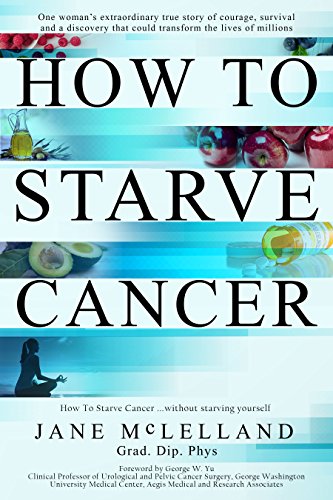
How to Starve Cancer …without starving yourself: The Discovery of a Metabolic Cocktail That Could Transform the Lives of Millions
As an affiliate, we earn on qualifying purchases.
As an affiliate, we earn on qualifying purchases.
Unverified Nature of the Treatment and Scientific Validation
It remains unclear whether the treatment approach Tippens describes has any scientifically proven efficacy. Medical experts caution that his story is anecdotal, and there is no peer-reviewed clinical evidence supporting the use of CBD oil combined with off-label drugs for cancer remission. The surge in media coverage has not been accompanied by rigorous scientific validation, raising questions about the accuracy and safety of such treatments. Authorities and healthcare providers emphasize the need for controlled clinical trials to establish efficacy and safety.

Radical Remission: Surviving Cancer Against All Odds ― A NYT Bestselling Health Guide on Nine Key Healing Factors
As an affiliate, we earn on qualifying purchases.
As an affiliate, we earn on qualifying purchases.
Potential Impact on Public Perception and Future Research
The ongoing media attention is likely to influence public perceptions of alternative cancer treatments, possibly prompting more patients to explore non-conventional options. Medical researchers and regulatory agencies may face increased calls for scientific studies to evaluate these anecdotal claims. Experts warn that while stories like Tippens’ can inspire hope, they also risk spreading misinformation if not contextualized properly. The next steps involve balancing awareness with scientific rigor, and healthcare authorities may issue guidance to prevent the spread of unproven claims.
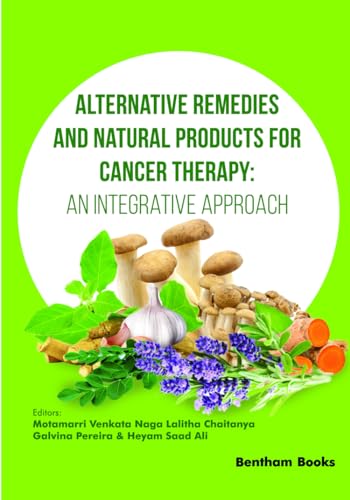
Alternative Remedies and Natural Products for Cancer Therapy: An Integrative Approach
As an affiliate, we earn on qualifying purchases.
As an affiliate, we earn on qualifying purchases.
Key Questions
Has Joe Tippens’ treatment been scientifically proven to cure cancer?
No, there is no scientific evidence or clinical trials confirming the efficacy of the treatment Tippens describes. His story is anecdotal and should not replace conventional medical advice.
Why is there increased media coverage of Tippens’ story now?
The surge is tracked by GDELT, showing over 30 mentions recently, likely driven by social media sharing, interest from health advocates, and media outlets highlighting personal cancer stories.
Are medical professionals endorsing Tippens’ treatment?
No, most healthcare professionals caution against relying on unproven treatments and emphasize the importance of evidence-based medicine.
Could this story influence cancer patients’ treatment choices?
Yes, stories like Tippens’ can inspire hope but also risk encouraging patients to try unproven therapies without medical supervision. Consulting healthcare providers remains essential.
What should readers do if they are interested in alternative treatments?
Readers should discuss any alternative therapies with qualified healthcare professionals and rely on scientifically validated options for cancer treatment.
Source: gdelt