
TL;DR

Get kitchen gear delivered free with Prime
- Fast, free delivery on millions of items
- Prime Video, Amazon Music and more included
- Member-only deals all year
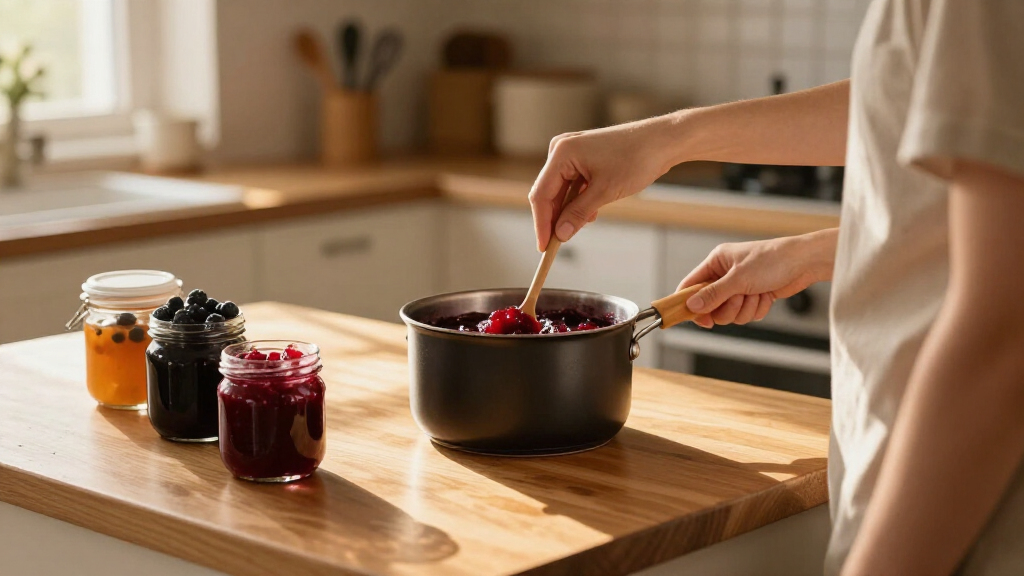
Interest in making marmalade and confetture at home is rising, with searches for easy recipes increasing. A new collection features 30 straightforward recipes suitable for all skill levels, highlighting a growing trend toward homemade preserves.
Search interest in making marmalade and confetture at home has surged, with a recent collection featuring 30 simple recipes gaining widespread attention online. This trend reflects a growing desire among home cooks to create their own preserves, driven by increased focus on natural, homemade foods and the appeal of DIY culinary projects.
The collection includes recipes that require minimal ingredients and straightforward techniques, making it accessible even for beginners. These recipes cover a variety of fruit flavors, from classic orange marmalade to more inventive combinations like berry and citrus mixes. The trend appears to be fueled by a broader movement toward sustainable, health-conscious eating, and the desire for personalized flavors in homemade jams and preserves.
While the compilation is circulating on social media and food blogs, it is important to note that the interest spike is based on search data and trend signals, with no official announcement or new product launch from major culinary organizations. For more tips on cooking basics, visit our cooking guides. Experts suggest that the appeal of homemade jams is part of a long-standing tradition, now experiencing renewed popularity due to social media sharing and increased leisure time for cooking at home.
Implications of the Homemade Jam Revival
This rising interest in homemade marmalade and confetture signifies a shift toward more sustainable, personalized food choices among consumers. It encourages home cooking, reduces reliance on store-bought preserves, and supports local fruit sourcing. For food producers and retailers, the trend may influence product offerings and marketing strategies aimed at DIY food enthusiasts. Additionally, it reflects a broader cultural movement emphasizing self-sufficiency and culinary creativity.
As an affiliate, we earn on qualifying purchases.
Historical and Cultural Roots of Homemade Preserves Trend
The tradition of making jams and preserves at home has deep roots in many cultures, often linked to seasonal fruit harvesting and resourcefulness. In recent years, this practice has experienced periodic revivals, often driven by food activism, health trends, and social media sharing. The current spike aligns with a renewed interest in traditional food preservation methods, partly as a response to concerns over food quality and supply chain issues. Although specific causes for the recent surge are unconfirmed, the pattern fits a longstanding cycle of renewed interest in homemade food crafts.
As an affiliate, we earn on qualifying purchases.
Unconfirmed Factors Behind the Trend Spike
It is unclear whether the trend is driven by specific marketing campaigns, seasonal factors, or broader societal changes. The data is based on search trends and social media mentions, which do not confirm a coordinated movement. The causes of the surge remain speculative, with possible influences including increased leisure time, health awareness, or media coverage of traditional food preservation methods.
As an affiliate, we earn on qualifying purchases.
Future Developments in DIY Marmalade and Confetture Trends
As interest persists, there may be more online tutorials, workshops, and product options tailored for home jam-making. Retailers could expand their preserving supplies, and influencers might promote specific recipes. Monitoring search activity and social media will help determine if this trend maintains momentum or is a temporary phenomenon.
DIY jam and confetture recipes book
As an affiliate, we earn on qualifying purchases.
As an affiliate, we earn on qualifying purchases.
Key Questions
Are these recipes suitable for beginners?
Yes, the collection emphasizes simplicity and minimal ingredients, making it accessible for those new to jam-making.
What fruits are best for homemade confetture?
Popular choices include berries, citrus, stone fruits, and seasonal fruits, depending on availability and personal preference.
Do I need special equipment to make these jams?
Basic equipment such as a large pot, jars, and a thermometer is sufficient; detailed instructions typically guide the process for beginners.
Is making jam at home safer than buying store-bought?
Homemade jams can be made with control over ingredients and preservatives, but proper sterilization and processing are essential for safety.
Will this trend affect commercial jam sales?
Potentially, as increased DIY interest may lead consumers to buy fewer pre-made preserves, though commercial sales remain strong overall.
Source: rss
Fall Picks
fall essentials
As an affiliate, we earn on qualifying purchases.