
TL;DR

Get kitchen gear delivered free with Prime
- Fast, free delivery on millions of items
- Prime Video, Amazon Music and more included
- Member-only deals all year
Search interest in making pickled zucchini at home has surged recently, indicating growing popularity. While specific recipes are circulating online, the trend’s origin remains unconfirmed. This development reflects increased interest in DIY food preservation.
Interest in making homemade pickled zucchini has surged in recent weeks, with online searches and social media posts increasing significantly. While the specific origin of this trend remains unconfirmed, experts note that it reflects a broader interest in DIY food preservation and seasonal eating. The trend’s rise is notable as more people seek simple, affordable ways to preserve their summer harvests at home.
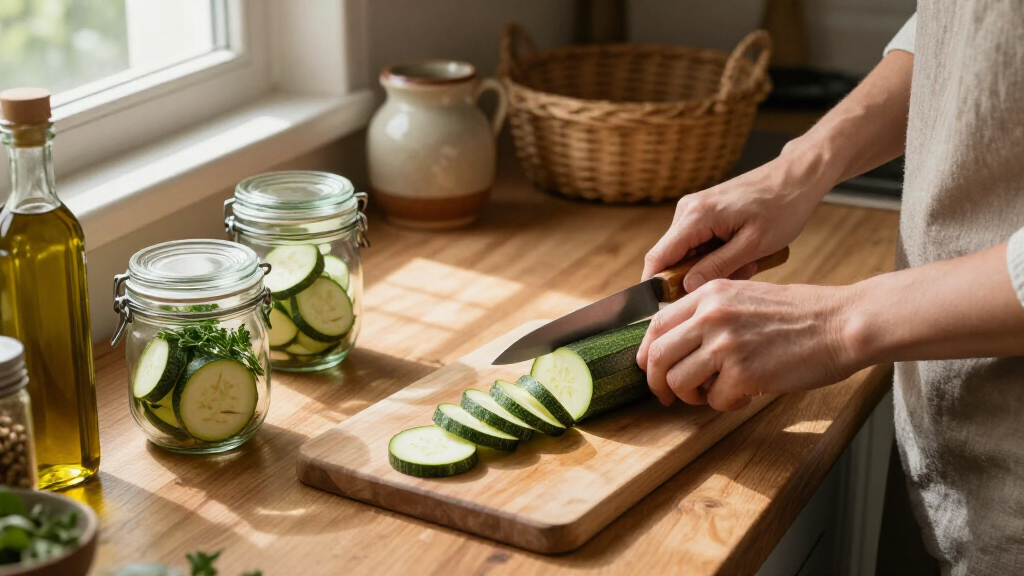
The trend appears to be driven by a widely circulated recipe for pickled zucchini that emphasizes ease and accessibility. Food bloggers and home cooks are sharing their versions, often highlighting minimal ingredients and straightforward steps. The recipe typically involves slicing zucchini, preparing a vinegar-based brine with spices, and allowing the mixture to ferment or sit for a few days before consumption.
Although no official source has confirmed the origin of this trend, the increase in online activity suggests that many are exploring homemade preservation methods, possibly influenced by rising interest in sustainable eating and reducing food waste. Food preservation experts note that pickling is a traditional method that has seen renewed popularity, especially during periods of increased home cooking.
Some social media posts showcase colorful jars of pickled zucchini, with users praising the flavor and convenience. However, health authorities recommend following tested recipes and proper sterilization procedures to ensure safety. No reports of adverse effects or food safety issues have been publicly linked to these homemade recipes so far.
Why the Pickled Zucchini Trend Matters for Home Cooks
The rising interest in homemade pickled zucchini highlights a broader shift toward DIY food preservation, driven by economic, environmental, and health considerations. It reflects a desire among consumers to control ingredients, reduce reliance on store-bought products, and make use of seasonal produce. This trend may encourage more people to experiment with traditional food preservation techniques, fostering greater food self-sufficiency and sustainability at the household level.
Additionally, the trend aligns with ongoing movements toward local and seasonal eating, as well as a resurgence in traditional culinary skills. While the trend’s origins are unconfirmed, its growth suggests that home preservation methods are increasingly appealing, especially during times of supply chain disruptions or economic uncertainty.
As an affiliate, we earn on qualifying purchases.
Recent Surge in Interest Tied to Online Sharing and DIY Food Movements
Over the past few weeks, online searches for ‘homemade pickled zucchini’ and related keywords have spiked, according to data from search trend analysis tools. Social media platforms are seeing an uptick in posts featuring jars of pickled zucchini, often accompanied by step-by-step instructions and personal testimonials. This pattern aligns with a broader increase in interest around DIY food preservation, which has gained momentum during recent years, especially amid the COVID-19 pandemic and growing environmental awareness.
While the exact trigger for this specific spike remains unconfirmed, it is consistent with previous trends where seasonal produce preservation gains popularity as consumers seek cost-effective and sustainable food options. Historically, pickling has been a traditional method for extending the shelf life of vegetables, and recent online communities have been instrumental in sharing recipes and techniques.
As an affiliate, we earn on qualifying purchases.
Unconfirmed Origins and Exact Drivers of the Trend
The precise origin of the current surge in homemade pickled zucchini interest remains unconfirmed. It is unclear whether the trend was sparked by a particular influencer, viral recipe, or broader social movement. While online activity suggests a collective interest, there is no single source or event identified as the catalyst.
Additionally, it is not yet confirmed whether this trend will sustain or fade in the coming months. Food preservation experts note that similar spikes have occurred in the past with other traditional methods, often driven by seasonal cycles or social media virality.
As an affiliate, we earn on qualifying purchases.
Monitoring Continued Engagement and Official Guidance
Experts anticipate that interest in homemade pickled zucchini will continue as more home cooks experiment and share their results. Food safety authorities may issue guidelines or warnings if safety concerns arise from untested recipes circulating online. Researchers and trend analysts will likely monitor social media and search data to observe whether the trend sustains or shifts toward other preservation methods.
In the coming weeks, more detailed recipes and safety tips are expected to circulate, helping consumers preserve their harvests safely. Additionally, food bloggers and community groups may organize virtual workshops or share tutorials to support safe home pickling practices.
As an affiliate, we earn on qualifying purchases.
Key Questions
Is homemade pickled zucchini safe to eat?
Yes, if prepared following tested recipes and proper sterilization procedures. It is recommended to use vinegar, maintain hygiene, and store jars in a cool, dark place.
What ingredients are typically used for pickled zucchini?
Common ingredients include zucchini, vinegar, water, salt, sugar, garlic, and spices like dill or peppercorns. Variations exist depending on personal preference.
How long does homemade pickled zucchini last?
Properly prepared and stored jars can last several months, typically 3-6 months, but it is best to follow specific recipe guidelines for shelf life and safety.
Can I use other vegetables for pickling instead of zucchini?
Yes, many vegetables such as cucumbers, carrots, and green beans are commonly pickled using similar methods. Adjust recipes as needed for different textures and flavors.
Why is interest in pickling increasing now?
Interest appears to be driven by a desire for sustainable, cost-effective food preservation, as well as a broader trend of DIY and seasonal eating. The specific trigger remains unconfirmed.
Source: rss
Halloween Picks
halloween
As an affiliate, we earn on qualifying purchases.