
TL;DR

Get kitchen gear delivered free with Prime
- Fast, free delivery on millions of items
- Prime Video, Amazon Music and more included
- Member-only deals all year
A Good Housekeeping report recommends adding nine commonly overlooked areas to a weekly cleaning routine, including sheets, towels, appliance handles, bathroom surfaces and rugs. The suggested frequency varies by item: some can be cleaned less often, while bedding may need more frequent washing in certain households.
Good Housekeeping has published a checklist of nine household spots people may overlook during regular cleaning, recommending weekly attention for items such as sheets, towels, rugs, bathroom surfaces and appliance touchpoints. The report also distinguishes weekly tasks from cleaning that can happen less often, offering a schedule rather than suggesting every surface needs the same treatment.
The list covers bedding and towels, where washing frequency depends partly on use. The report recommends washing sheets and pillowcases about every seven days. It says households may want to wash them more often if pets sleep in the bed, someone has dust or pollen allergies, a person sweats heavily, or someone is ill with an infectious disease. Bath towels, meanwhile, can be reused several times, but washing them weekly is presented as a practical routine.
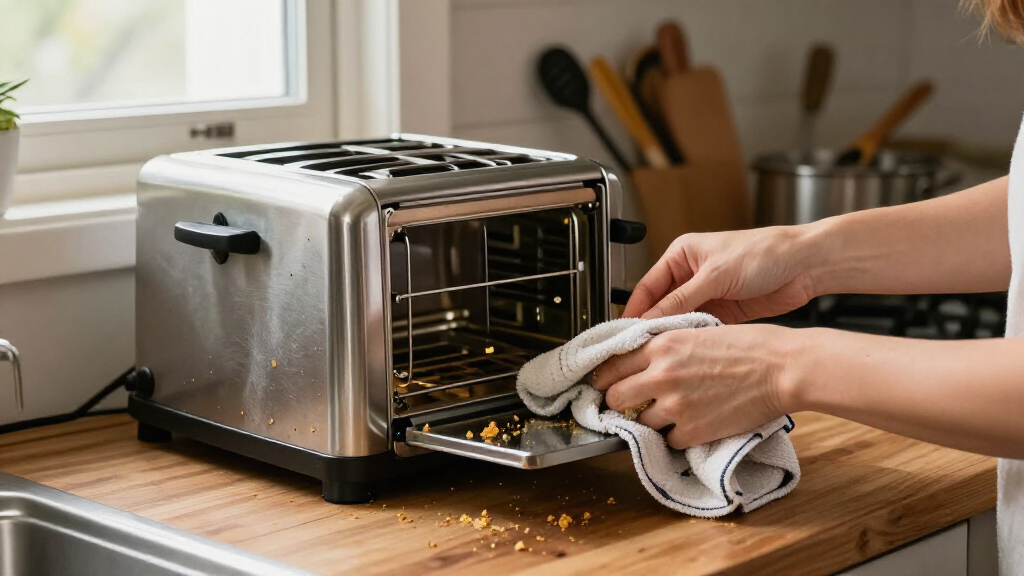
In the kitchen and living areas, the report recommends wiping high-touch appliance surfaces such as refrigerator, cooktop, microwave and coffee-maker handles or knobs. It also suggests vacuuming rugs and carpets weekly to collect tracked-in dirt, debris and pet hair, and dusting wood furniture. For hardwood floors, it advises sweeping every few days with a dry microfiber mop or electrostatic sweeper; a deeper wet clean can generally wait one to two months, depending on use.
The remaining targets are bathroom surfaces, toilets, light switches and doorknobs. The report says to clean bathroom sinks and counters weekly, including faucet handles, and to follow the disinfectant label’s required wet contact time. Toilet cleaning includes the bowl, seat and handle, as well as disinfecting the toilet brush and letting it dry before storing it. For switches, it cautions against letting liquid seep behind the plate.
A Practical Schedule for High-Touch Areas
The recommendations matter because routine cleaning is not just about visible dirt: the list draws attention to frequently handled surfaces and items that collect sweat, oils, dust or tracked-in debris. Putting those targets on a weekly checklist may help households avoid relying only on occasional, whole-room deep cleans.
The report does not prescribe one universal schedule for every home. It makes room for differences in household use, allergies, pets and illness, while also warning against excessive laundering where it can wear out towels. That distinction can help readers prioritize: clean more often where use or circumstances call for it, and reserve deeper jobs for a less frequent cycle.
Products Worth Considering

EGO Power+ 9-Gallon Cordless Wet/Dry Shop Vacuum (WDV0904) with 56V 5.0Ah Battery and Charger

EGO Power+ 9‑Gallon Wet/Dry Shop Vacuum with Remote Control (WDV0900) – Battery Not Included

EGO POWER+ Cordless Electric Leaf Blower 530 CFM with Battery (LB5302)
As an affiliate, we earn on qualifying purchases.
Weekly Tasks Versus Deeper Cleaning
The Good Housekeeping report separates recurring upkeep from less frequent work. Weekly tasks include washing bedding and towels, wiping bathroom surfaces and appliance touchpoints, vacuuming rugs, and dusting furniture. It recommends sweeping hardwood floors every few days, while wet-cleaning hardwood every one to two months or as needed.
Other jobs can be scheduled farther apart: the report suggests professional carpet cleaning about once a year, deeper dusting of items such as blinds and light fixtures monthly, and cleaning under or behind furniture, vacuuming mattresses, and washing pillows and comforters every three to six months. These are recommendations in the cited report, not a single mandatory schedule for all households or materials.
““every seven days or so””
— Good Housekeeping report
How Schedules Vary by Household
The source material does not identify the individual cleaning professionals behind each recommendation or provide research comparing the effectiveness of different schedules. It also does not give a publication date, product testing details, or a universal standard for every fabric, floor finish or disinfectant. Readers should follow care labels and product instructions, since materials and cleaning products differ.
The advice is general household guidance, not a claim that every home must clean all nine areas exactly once a week. The report itself allows for variation, including more frequent sheet washing in some circumstances and less frequent laundering of towels to limit wear.
Putting the Checklist Into Practice
The report offers a recurring routine rather than announcing a new rule or standard. Households can use its list to assign weekly tasks, then schedule less frequent jobs—such as monthly blind dusting or annual professional carpet cleaning—separately. The next step for readers is to adapt the intervals to how each surface is used, its care instructions and any household needs such as pets, allergies or illness.
Key Questions
Which items does the report suggest cleaning weekly?
The report’s weekly list includes sheets and pillowcases, appliance touchpoints, rugs, bathroom surfaces, toilets, switches and doorknobs, towels, and wood furniture. It also recommends sweeping hardwood floors every few days.
How often should sheets be washed?
Good Housekeeping recommends washing sheets and pillowcases about every seven days. It says more frequent washing may be appropriate when pets sleep in the bed, someone has certain allergies, sweats heavily or has an infectious illness.
How long can bath towels be used before washing?
The report says bath towels can be used three times or more before laundering, while describing a weekly wash as a reasonable routine. It advises using the hottest water safe for the fabric.
Does every surface need disinfectant?
No. The report recommends disinfectant for bathroom touchpoints and appliance handles or knobs, while suggesting a damp cloth for dust and grime on switches before wiping them with a disinfecting wipe or 70% isopropyl alcohol. Follow the product label and surface-care directions.
Which cleaning jobs can wait longer than a week?
The report suggests deeper hardwood-floor cleaning every one to two months, deeper dusting monthly, and cleaning under furniture or washing pillows and comforters every three to six months. It recommends professional carpet cleaning about once a year.
Source: goodhousekeeping.com