
TL;DR

Get kitchen gear delivered free — and shop member deals
- Fast, free delivery on millions of items
- Access to Prime Big Deal Days deals on October 6–7
- Prime Video, Amazon Music and more included
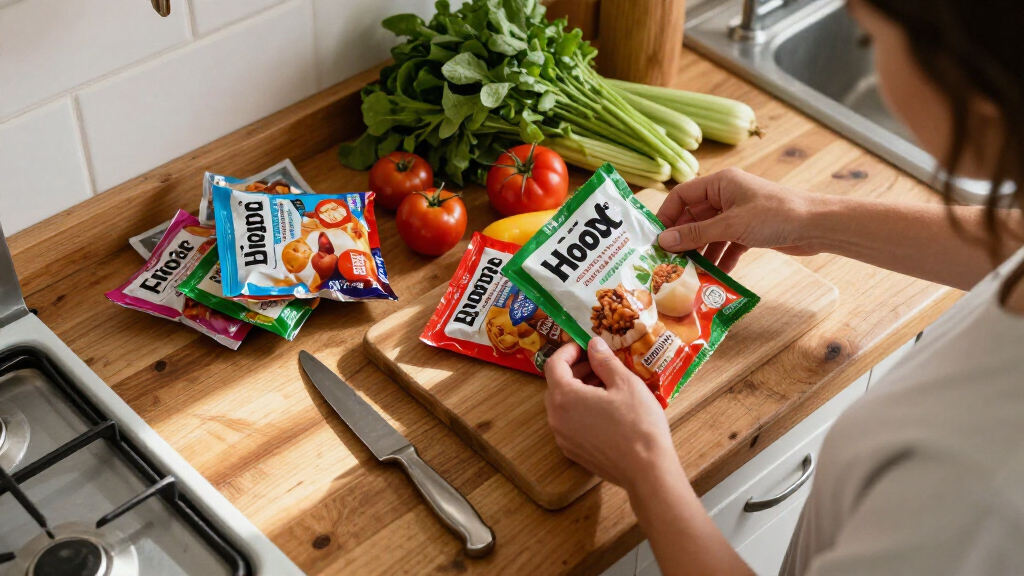
An analysis involving nearly 9 million people found that higher ultra-processed food intake was associated with greater risks of several chronic conditions and death from any cause. The observational findings do not show that ultra-processed food directly caused those outcomes, and the category includes foods with different nutritional profiles.
An analysis involving nearly 9 million people found that higher consumption of ultra-processed foods was associated with greater risks of several chronic health conditions and death from any cause. The findings add to research linking these foods with health outcomes, but the analysis observed people’s diets and health rather than assigning diets, so it cannot establish that ultra-processed foods caused the outcomes.
People with higher ultra-processed food intake had greater risks of cardiovascular events, cancer, overweight and obesity, as well as metabolic syndrome, diabetes, depression and anxiety, digestive diseases, and death from any cause. The report describes comparisons between people consuming more and less ultra-processed food; it does not provide absolute risk figures for these outcomes.
The analysis also examined intake in 100-gram daily increments. Each additional 100 grams per day was associated with a 14% higher risk of cardiovascular events, a 4% higher risk of cancer, and a 3% higher risk of death from any cause. These are reported associations, not proof that adding that amount of food directly raises an individual’s risk by those percentages.
Most dietary information was self-reported, and researchers did not assign participants different diets. Factors such as exercise, alcohol use, the rest of a person’s diet, and smoking could also affect health outcomes. The source article does not name the study or provide its publication date, methods in detail, or researchers’ full findings.
How the Findings Affect Diet Advice
The scale of the analysis and its reported links across multiple health outcomes add to a wider body of observational research. For readers, the results may support paying attention to overall dietary patterns, particularly when ultra-processed foods make up a large share of what someone eats.
However, ultra-processed foods are a broad category that includes products with different nutritional profiles. The findings do not show that every food classified this way is harmful, or that a packaged food is automatically a poor choice. The article’s dietitian, Stefani Sassos, says the more useful question is what foods contribute to a person’s diet overall, including whether it contains nutrient-rich options such as fruits, vegetables, whole grains, legumes, nuts, and seeds.
Why Food Labels Are Changing
Research linking higher ultra-processed food intake to health concerns predates this analysis. The Good Housekeeping report says earlier observational studies have also found associations with cardiovascular disease, obesity, type 2 diabetes, and some cancers. It also cites more recent research linking greater physical activity and lower ultra-processed food intake with lower diabetes risk, including among people with higher genetic risk.
There is still no single government definition in place in the United States, according to the report. California passed Assembly Bill 2244, which creates a state-backed Non-UPF Certified program, while the Non-GMO Project launched a Non-UPF Verified program the previous year. The Food and Drug Administration’s definition was still pending at the time of the article.
As certifications appear on packages, a Non-UPF label may identify a product under a particular program’s criteria. It does not, by itself, establish that a food is nutritious, high in fiber or protein, or low in added sugar and sodium. Some products may lack a certification because their makers have not applied.
Limits of the Health Evidence
The analysis shows associations, not causation. Because researchers observed eating habits and health outcomes, the results cannot isolate the effect of ultra-processed foods from other differences between participants. The source report also does not state the study’s exact design, the length of follow-up, or how researchers classified every food in the analysis.
The reported percentages do not show the absolute risk for an individual, and the article does not provide enough detail to calculate one. It also remains unclear when the FDA will issue its definition of ultra-processed foods, or how that definition may relate to existing certification programs.
Definitions and Labels Still Pending
The next policy development noted in the report is the FDA’s pending definition of ultra-processed food. Until it is issued, shoppers may encounter different certification programs and criteria. Readers can check the nutrition facts and ingredient information on a product alongside any front-of-package claim.
For the research, the article offers no specific upcoming study or follow-up date. Further evidence would be needed to clarify how much of the observed association reflects ultra-processed food itself and how much reflects other dietary or lifestyle factors. In the meantime, the findings describe a population-level pattern, not a diagnosis or a prediction of any one person’s health.
Key Questions
Did the analysis prove that ultra-processed food causes disease?
No. It found associations between higher intake and several health outcomes. Since researchers observed diets rather than assigning them, the analysis cannot establish cause and effect.
What risks were associated with higher intake?
The report lists cardiovascular events, cancer, overweight and obesity, metabolic syndrome, diabetes, depression and anxiety, digestive diseases, and death from any cause.
What did the 100-gram finding mean?
Each additional 100 grams of ultra-processed food per day was associated with a 14% higher risk of cardiovascular events, 4% higher risk of cancer, and 3% higher risk of death from any cause. These are associations from the analysis, not direct effects proven for an individual.
Does a Non-UPF label mean a food is healthy?
No. A Non-UPF certification does not by itself show that a product is high in fiber or protein or low in added sugar and sodium. The report advises considering a food’s overall nutritional contribution.
Source: rss
Fall Picks
fall essentials
As an affiliate, we earn on qualifying purchases.