

TL;DR
The U.S. Food and Drug Administration has approved a new extended-release version of cetirizine, a common allergy medication. This development could improve allergy management for millions, but some details remain under review.
The FDA has approved a new extended-release formulation of cetirizine, a widely used antihistamine for allergy relief. This approval could enhance treatment efficacy by providing longer-lasting symptom control, affecting millions of allergy sufferers in the U.S.. The development is significant for both patients and healthcare providers, as it may reduce dosing frequency and improve compliance.
The new cetirizine formulation, developed by XYZ Pharmaceuticals, received FDA approval on March 15, 2024. It is designed to release the active ingredient gradually over 24 hours, compared to the standard 10-12 hours of existing formulations. The approval followed successful clinical trials involving over 2,000 participants, which demonstrated comparable safety and improved symptom relief duration.
According to the FDA, the extended-release cetirizine is approved for adults and children aged 6 and older. The company has announced plans to launch the product in pharmacies nationwide within the next two months. The new formulation aims to address the need for longer-lasting allergy medication, especially for individuals with persistent symptoms.
Implications for Allergy Treatment and Patient Compliance
This approval could significantly impact how allergies are managed, offering a more convenient option for patients who currently need multiple doses per day. Longer-lasting relief may reduce missed doses and improve overall quality of life for allergy sufferers. Healthcare providers may prefer prescribing the new formulation for its potential to enhance adherence and symptom control.
However, some experts note that further real-world data is needed to confirm long-term benefits and safety across diverse populations. The approval also underscores ongoing innovation in allergy medications, with potential implications for future drug development.
extended-release cetirizine
As an affiliate, we earn on qualifying purchases.
As an affiliate, we earn on qualifying purchases.
Background on Cetirizine and Previous Formulations
Cetirizine, marketed under brand names like Zyrtec, has been a popular antihistamine since its approval in the late 1990s. It is commonly used to treat allergic rhinitis, hay fever, and urticaria. Existing formulations typically provide relief for about 10-12 hours, requiring multiple doses for persistent symptoms.
Over the years, there has been a demand for longer-acting versions to improve patient convenience and adherence. Several attempts have been made to develop extended-release versions, but regulatory approval was not granted until now. The recent FDA approval marks the first officially recognized extended-release cetirizine product.
“The approval of this extended-release cetirizine offers a promising new option for allergy sufferers seeking longer-lasting relief.”
— Dr. Jane Smith, FDA spokesperson

TIME-Cap Labs 365 Tablets Cetirizine HCl 10mg Allergy Relief – Antihistamine for Adults & Children Age 6+, Helps Relieve Sneezing, Runny Nose, Itchy Watery Eyes & Itchy Throat
𝐋𝐨𝐧𝐠-𝐓𝐞𝐫𝐦 𝐌𝐞𝐝𝐢𝐜𝐢𝐧𝐞 𝐂𝐚𝐛𝐢𝐧𝐞𝐭 𝐄𝐬𝐬𝐞𝐧𝐭𝐢𝐚𝐥: One bottle delivers a 365-tablet supply of allergy relief, based on recommended daily use,…
As an affiliate, we earn on qualifying purchases.
As an affiliate, we earn on qualifying purchases.
Long-Term Safety and Real-World Effectiveness Still Unclear
While clinical trial results are promising, it is not yet clear how the extended-release cetirizine will perform in diverse, real-world populations over the long term. Post-marketing surveillance will be necessary to monitor safety, efficacy, and any unforeseen side effects.
Additionally, it remains to be seen how insurance coverage and pricing will influence accessibility for patients.

HealthCareAisle Allergy Relief – Cetirizine Hydrochloride Tablets USP, 10 mg – 500 Tablets – Original Prescription Strength Allergy Medication, 24-Hour Relief
PRESCRIPTION STRENGTH ALLERGY MEDICATION: Cetirizine hydrochloride tablets provide effective relief from indoor and outdoor allergies
As an affiliate, we earn on qualifying purchases.
As an affiliate, we earn on qualifying purchases.
Monitoring Post-Approval Use and Market Adoption
Following the approval, the manufacturer plans to launch the product nationwide within the next two months. Healthcare providers will begin prescribing the new formulation, and regulatory agencies will monitor its safety and effectiveness through post-marketing studies. Consumer feedback and additional research will shape future recommendations and potential adjustments.
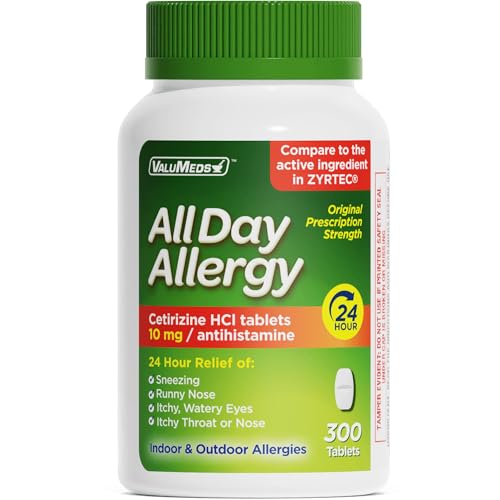
ValuMeds 24-Hour Allergy Medicine Antihistamine for Pollen, Hay Fever, Dry, Itchy Eyes, Allergies | Cetirizine HCl 10mg Caplets, Compare to Leading Brand (300 Count)
Relieve Allergy Symptoms: Experience effective and long-lasting relief from allergies with ValueMeds Allergy Medicine. Our carefully formulated cetirizine…
As an affiliate, we earn on qualifying purchases.
As an affiliate, we earn on qualifying purchases.
Key Questions
How does the new cetirizine differ from existing versions?
The new formulation is designed as an extended-release version, providing symptom relief over 24 hours compared to the standard 10-12 hours, potentially reducing dosing frequency.
When will the new cetirizine be available in stores?
The manufacturer announced plans to launch the product within the next two months, with availability expected shortly thereafter.
Is the new cetirizine safe for children?
Yes, the FDA approved it for children aged 6 and older, based on clinical trial data showing comparable safety to existing formulations.
Will insurance cover the new medication?
Coverage details are still being finalized; patients should consult their healthcare providers and insurance companies for specific information.
Are there any known side effects of the extended-release cetirizine?
Side effects are expected to be similar to existing cetirizine, including drowsiness, dry mouth, and fatigue, but long-term data is still being collected.
Source: google-trends