
TL;DR

Get kitchen gear delivered free with Prime
- Fast, free delivery on millions of items
- Prime Video, Amazon Music and more included
- Member-only deals all year
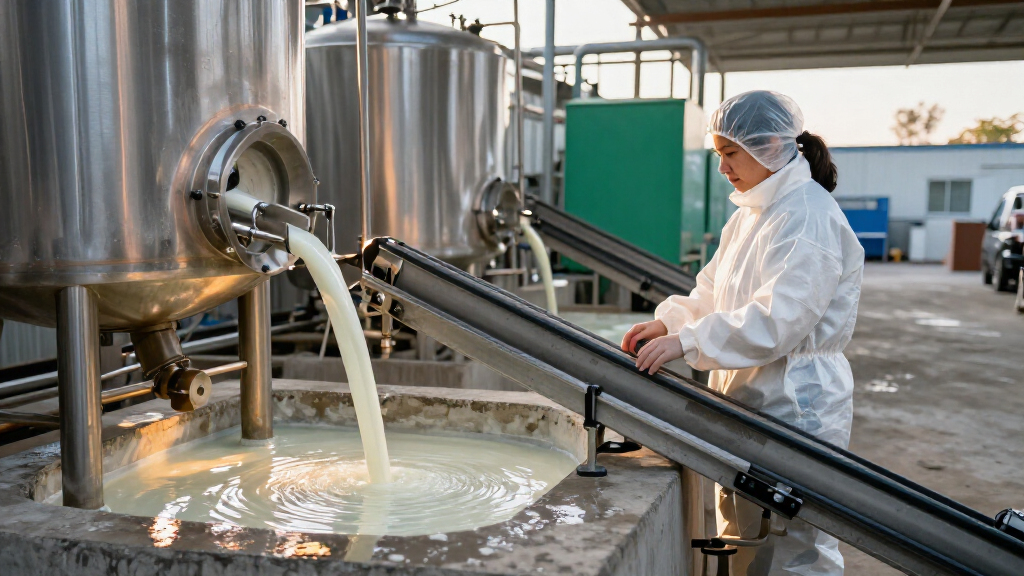
Danone is partnering with PurposeEnergy on a $40 million facility in Minster, Ohio, to process wastewater and organic residuals from Danone’s largest U.S. yogurt plant. The facility is expected to produce biogas for a dedicated boiler at the plant, along with treated water and soil amendments; its opening is planned for next spring.
Danone is partnering with PurposeEnergy on a $40 million facility in Minster, Ohio, that will turn wastewater and organic residuals from Danone’s largest U.S. yogurt plant into renewable biogas. The gas is planned for use in a dedicated boiler at the factory, where it would offset conventional natural gas; the facility is expected to open next spring.
The project uses anaerobic digestion, a process that breaks down organic material in an oxygen-free environment. PurposeEnergy commissioned the facility and says it will be capable of processing up to 250,000 gallons per day of wastewater and residuals. Its planned outputs include biogas, treated water and nutrient-rich soil amendments.
PurposeEnergy estimates the facility could displace about 3,200 tons of carbon dioxide equivalent annually once fully operational. It also estimates that routing residuals directly from Danone’s factory, rather than using the prior off-site handling route, would avoid a further 720 tons of carbon dioxide equivalent each year. These are company estimates, not reported results from an operating plant.
The facility is being developed as Danone expands production at the Minster factory to respond to demand for high-protein yogurt, according to the report by Food Dive. The article does not give a specific production-expansion figure or a breakdown of the project’s financing. Danone Americas Chief Operating Officer Heiko Gerling described the project as a way to link industrial growth with environmental goals.
Biogas for Danone’s Minster Plant
The project would connect a food manufacturer’s waste stream directly to energy use at the same factory. If the facility performs as planned, biogas could replace some of the conventional natural gas used by the plant, while processing residuals that otherwise require handling elsewhere. The reported emissions figures indicate the potential scale of that benefit, but they remain estimates until the facility is operating and its output is measured.
There may also be a local wastewater benefit. PurposeEnergy says the digestion process will remove surplus nutrients from residuals before treated water reaches municipal treatment systems, which could reduce pressure on local infrastructure. The extent of that effect, and how it will be monitored, has not been detailed in the report.
The development is relevant to Danone’s broader energy plans: the company aims to meet half of its energy needs with renewables by 2030, according to Food Dive. The Minster project is one part of that effort, rather than evidence by itself that the target will be met.
As an affiliate, we earn on qualifying purchases.
Danone’s Energy and Production Plans
Danone makes Oikos yogurt and operates the Minster facility, which the source describes as its largest U.S. yogurt manufacturing plant. The company is investing in factory expansion as demand for high-protein yogurt grows. The report does not specify how the new digester’s capacity relates to the expected increase in production.
Anaerobic digestion is used to convert organic waste into biogas, but biogas has drawn debate in the agricultural sector, including over digesters that process livestock manure. The American Biogas Council estimates that nearly half of U.S. biogas capture systems operate at wastewater plants, with farms and landfills also accounting for systems. That industry figure provides context; it does not describe the expected performance or environmental impact of the Minster facility.
““What makes this project especially meaningful is how it brings together industry, local infrastructure, and community stakeholders around a shared goal. It is a powerful example of how operational growth and environmental stewardship can go hand in hand.””
— Heiko Gerling, chief operating officer of Danone Americas
As an affiliate, we earn on qualifying purchases.
Performance Still Awaits Operation
The facility is not yet reported as operational. Its actual biogas production, the amount of natural gas it will displace and the emissions reductions it will achieve remain unverified. PurposeEnergy’s figures are projections, and the report does not explain the methods or assumptions used to calculate them.
The report also does not provide details on construction progress, the final operating schedule beyond an expected opening next spring, or how much of the treated water and soil amendments will be reused or distributed. Further information is needed on the project’s monitoring and on the specific effect of nutrient removal on municipal wastewater systems.
As an affiliate, we earn on qualifying purchases.
Opening and Output Verification
The next milestone is the facility’s planned opening next spring. After it begins operating, its processing volumes, biogas output and use in Danone’s dedicated boiler will show how closely the project matches PurposeEnergy’s estimates. Data on emissions and wastewater treatment would also help establish the facility’s realized benefits.
Until those operating details are available, the confirmed development is the commissioning of a $40 million project designed to process Danone’s Minster residuals—not a verified reduction in emissions or natural-gas use.
As an affiliate, we earn on qualifying purchases.
Key Questions
Where is the facility being built?
It is in Minster, Ohio, near Danone’s yogurt manufacturing plant.
What will the facility process and produce?
PurposeEnergy says it will process wastewater and organic food residuals, with capacity of up to 250,000 gallons per day. Planned outputs are biogas, treated water and nutrient-rich soil amendments.
How will Danone use the biogas?
The biogas is expected to be piped to a dedicated boiler at Danone’s Minster yogurt plant to offset conventional natural gas.
How much emissions reduction is projected?
PurposeEnergy estimates the facility could displace about 3,200 tons of carbon dioxide equivalent per year. It separately estimates that direct piping of residuals could avoid 720 tons annually compared with the previous off-site handling route. These projections have not been verified through facility operations.
When is the facility expected to open?
The report says the facility is expected to open next spring. It does not provide a more specific date.
Source: rss
Halloween Picks
halloween
As an affiliate, we earn on qualifying purchases.