TL;DR

Get kitchen gear delivered free — and shop member deals
- Fast, free delivery on millions of items
- Access to Prime Big Deal Days deals on October 6–7
- Prime Video, Amazon Music and more included
A lifestyle article asking nine top bartenders how they make Manhattans at home is circulating widely and driving renewed attention to the classic cocktail. The specifics of the recipes and the bartenders involved cannot be independently verified from the available source metadata, and the reason for the spike in interest is unconfirmed.
An article collecting the home Manhattan recipes of nine professional bartenders is generating a marked uptick in reader interest, according to its circulation feed. The piece, filed under a food category and distributed via RSS, taps into a long-running intersection of two trends: home cocktail-making and the enduring popularity of the Manhattan, one of the classic cocktails of the American canon.
What can be confirmed from the available source material is limited but concrete. A lifestyle article titled “Here’s How 9 Top Bartenders Make Manhattans at Home” exists, is categorized as food content, and is being distributed through an RSS feed — a signal that it is being actively syndicated and read. The headline indicates the article’s format: a roundup in which nine bartenders described as “top” professionals share their personal approaches to making a Manhattan outside of a bar setting.
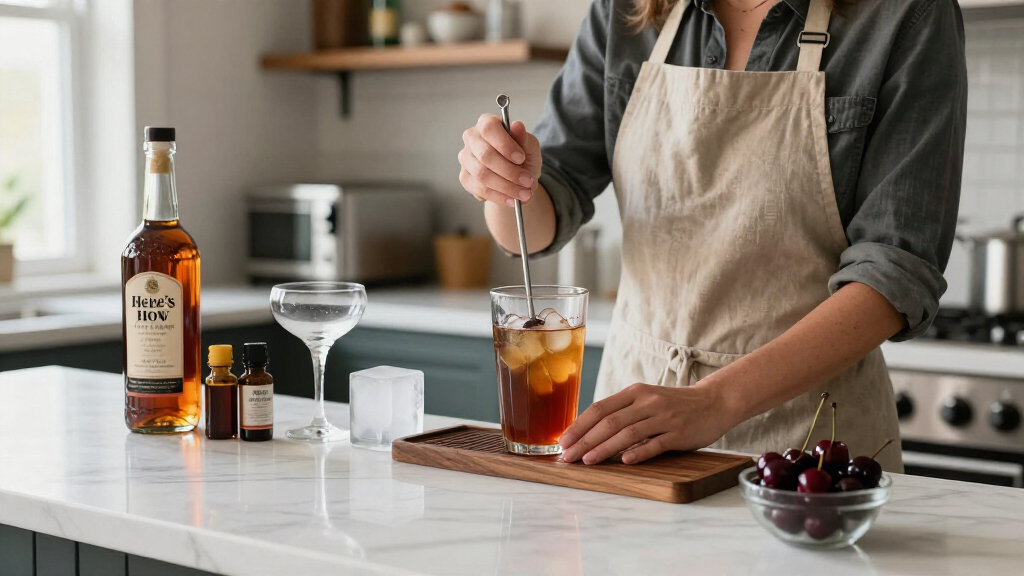
The Manhattan itself is one of the most established cocktails in mixed-drink history, commonly understood to consist of rye or bourbon whiskey, sweet vermouth, and bitters, stirred with ice and garnished with a cherry. Recipes of this kind — where professionals simplify or adapt bar-quality drinks for home kitchens — are a well-established genre of food and drinks journalism, and roundups featuring multiple named bartenders are a common format within it.
Beyond that, the specifics are not verifiable from the source metadata alone. The names of the nine bartenders, their establishments, their individual recipe variations, and the publication that produced the roundup are not confirmed in the available information. No statements, quotes, or announcements from the bartenders can be independently verified at this time.
Why Home-Cocktail Content Keeps Landing
The renewed attention to this article matters because it reflects a durable shift in how readers engage with cocktail culture. Since the early 2020s, home bartending has moved from a niche hobby to a mainstream pursuit, with readers seeking professional-grade techniques adapted for home kitchens — fewer ingredients, no specialized equipment, and substitutions that don’t require a full bar backstock.
The Manhattan is a particularly good subject for this format. Unlike stirred cocktails that require obscure modifiers, it is built from three core ingredients widely available at ordinary liquor stores, which makes the gap between a bar version and a home version small enough to close. Articles where professionals reveal their home versions speak directly to that practical interest: readers want to know what ratios, vermouth choices, and whiskey preferences working bartenders settle on when no one is watching.
For the drinks industry, sustained reader interest in this content also signals continued off-premise engagement — home consumption of spirits remains a meaningful sales channel even as bar traffic has normalized.
The Manhattan’s Long Standing in Cocktail Culture
The Manhattan’s origins are commonly traced to the 1870s in New York City, with the drink predating the better-documented Martini and remaining largely stable in composition since the late nineteenth century. It occupies a central place in the classic-cocktail revival that began in the early 2000s, when bartenders revisiting pre-Prohibition recipes helped restore drinks like the Manhattan, the Old Fashioned, and the Sazerac to prominence on modern menus.
The “bartenders at home” roundup format builds on that revival. It trades on the contrast between the precision of professional service and the improvisation of a home bar, and it has become a recurring genre for food and lifestyle publications covering spirits. Similar collections covering Negronis, Martinis, and margaritas appear regularly across food media, which supports — though it does not confirm — the likelihood that the current article follows this established structure.
What the Source Doesn’t Tell Us
Several elements remain unclear. The trigger for the current spike in interest is unconfirmed — it may reflect seasonal drinking patterns, algorithmic amplification, or a wider publication push, but no cause is established in the available material. The identities of the nine bartenders, their recipes, and the originating publication are likewise not independently verified. The descriptor “top” in the headline is the article’s own characterization and cannot be assessed without knowing the selection criteria. Any specific ratios, whiskey brands, or techniques attributed to individual bartenders should be treated as unconfirmed until the full article text is available.
Tracking the Trend From Here
The natural next step is verification: locating the full article text would confirm the bartenders’ names, their recipes, and the publishing outlet, allowing the reported variations to be described accurately. Reader interest in home Manhattan recipes is likely to persist through the colder months, when stirred, spirit-forward cocktails typically see seasonal demand. Publications may follow with comparable roundups on other classics if engagement holds, and spirits brands often respond to this pattern with vermouth and rye marketing aimed at the home-mixing audience — though any such follow-on coverage remains speculative at this stage.
Key Questions
What is the article about?
It is a food and lifestyle roundup in which nine bartenders described as top professionals share how they make Manhattans at home. The full details of their recipes are not verifiable from the currently available source information.
What goes into a classic Manhattan?
The long-established recipe combines rye or bourbon whiskey, sweet vermouth, and bitters, stirred with ice and typically garnished with a cherry. Proportions vary, with the whiskey-to-vermouth ratio being the most common point of difference.
Why is the article getting attention now?
The exact trigger is unconfirmed. Plausible factors include seasonal demand for stirred cocktails and continued reader appetite for home-bartending content, but no specific cause has been established.
Can the bartenders’ specific recipes be confirmed?
No. The names of the bartenders, their establishments, and their individual recipe variations are not included in the verified source material and should be treated as unconfirmed.
Is a Manhattan difficult to make at home?
It is generally considered one of the easier classic cocktails to make at home, requiring only three core ingredients and a stirring method that doesn’t demand specialized equipment beyond ice and a mixing vessel.
Source: rss
Fall Picks
fall essentials
As an affiliate, we earn on qualifying purchases.