TL;DR

Get kitchen gear delivered free with Prime
- Fast, free delivery on millions of items
- Prime Video, Amazon Music and more included
- Member-only deals all year
A Good Housekeeping report recommends planks as a body-weight exercise for adults over 50, citing a trainer who says they can strengthen the core and support balance. It suggests beginning with a 30-second hold, but the source does not establish that planks alone prevent falls, back pain, bone loss or muscle loss.
A Good Housekeeping report recommends the plank as an exercise for adults over 50, citing personal trainer and injury rehabilitation specialist Chris Berardi, who says the body-weight hold can strengthen the core and support balance. The report suggests starting with a 30-second hold and building toward one minute, while its advice is a trainer’s recommendation rather than evidence that planks alone prevent falls or age-related conditions.
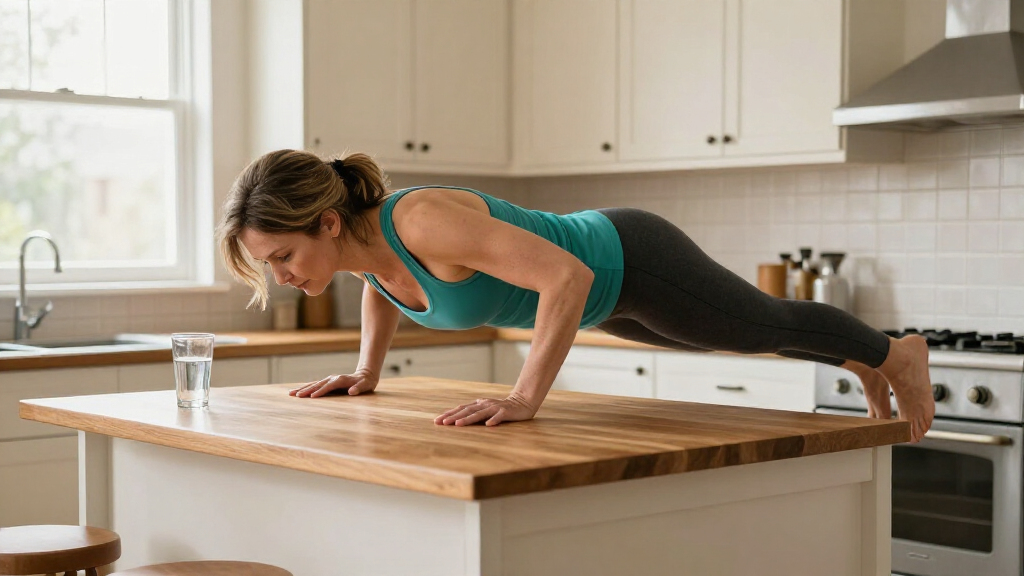
A plank is a core-strength exercise in which a person holds the body in a straight, rigid position, supported either on the hands or forearms and the balls of the feet. Berardi told Good Housekeeping that the exercise requires little equipment: a mat and space to lie down. People with wrist discomfort may find a forearm plank more comfortable, according to his advice.
For beginners who find a full plank difficult, Berardi recommends starting on the hands and knees and progressing if able. He advises squeezing the gluteal muscles and holding the body in a straight position. The article proposes beginning with 30 seconds a day, then working toward one minute; it says people who want a greater challenge could aim for as long as two minutes.
Berardi said planks engage the stomach, glutes, legs and back. He also described them as weight-bearing and said they may support bone strength. The report does not provide study results, a clinical protocol or evidence that a particular hold duration produces specific health outcomes.
A Core Exercise, Not a Complete Plan
Strength and balance are relevant to maintaining everyday mobility as people age, and a plank is one way to work the muscles that help stabilize the body. Its no-equipment format may make it accessible for people who want a short exercise at home. The suggested modifications also offer a lower-intensity starting point for some people who cannot yet hold a standard position.
But the headline’s promise should be read narrowly. A plank works primarily as a strength exercise; the supplied report does not show that it is the single exercise everyone over 50 should prioritize, or that it is sufficient on its own to improve balance, preserve bone density or prevent falls. Those outcomes depend on a person’s health, activity and other factors. The article’s recommendation is best understood as one possible exercise, not a replacement for a broader or individually tailored activity plan.
Products Worth Considering

DEWALT 10-Inch Jobsite Table Saw with Rolling Stand (DWE7491RS)

EGO POWER+ CS1611 16-Inch Cordless Chainsaw with 56V 2.5Ah Battery and Charger

DEWALT DCF913B 20V MAX 3/8-Inch Cordless Impact Wrench with Hog Ring Anvil
As an affiliate, we earn on qualifying purchases.
How the Report Frames Planks
The source is a Good Housekeeping fitness report focused on a 30-second plank and adults over 50. Its practical guidance comes from Berardi, identified as a personal trainer and injury rehabilitation specialist. The article describes the exercise, offers an easier hands-and-knees variation and gives a progression from 30 seconds toward one minute, with two minutes presented as an ambitious goal.
The report links planks to balance, lower-back support and the maintenance of bone and muscle. It refers to osteopenia, a loss of bone density, and sarcopenia, age-related muscle loss. Those references explain the proposed rationale, but the supplied material does not include research citations or establish that doing planks prevents either condition. It also does not compare planks with other exercises that may address strength, mobility or balance.
“Some people find one option easier than the other — if you have a problem with your wrists, for example, resting on your forearms might be more comfortable.”
— Chris Berardi, quoted by Good Housekeeping
Evidence Behind the Health Claims
The supplied report does not identify a clinical study supporting its claims about balance, back pain or bone density, and it does not establish that planks prevent osteopenia or sarcopenia. It is also unclear how the suggested daily duration was selected or whether the same progression is appropriate for people with different fitness levels, injuries or medical conditions.
Berardi’s statements are attributed expert guidance, not a guarantee of results. The source does not say that planks are the best or only exercise for everyone over 50. People with pain, balance concerns or health conditions may need individualized advice before trying or progressing the movement.
Choosing a Safe Starting Point
The report offers a simple progression rather than a formal training program: try a 30-second hold, use the hands-and-knees version if a full plank is too difficult, and increase the duration toward one minute if comfortable. It does not set a required schedule beyond its suggestion of a daily start, or explain how to assess form, rest or progression for an individual.
Readers who are unsure whether the movement is suitable can ask a qualified health professional or fitness specialist for guidance, particularly if they have existing pain or limitations. Any further claims about planks preventing falls or age-related bone and muscle loss would require evidence beyond the material in the report.
Key Questions
What exercise does the report recommend for people over 50?
It recommends the plank, a body-weight hold intended to strengthen the core. The report presents it as a useful option, not as a proven best exercise for every person over 50.
How long should a beginner hold a plank?
Trainer Chris Berardi suggests starting with a 30-second hold and working toward one minute if able. The source does not establish that this duration is right for everyone.
What if a standard plank is too difficult?
Berardi suggests beginning on the hands and knees and progressing if possible. He also says a forearm position may be more comfortable for some people with wrist problems.
Do planks prevent bone loss or muscle loss?
The report says Berardi views planks as weight-bearing and potentially supportive of bone and muscle health. It does not provide evidence that planks prevent osteopenia or sarcopenia.
Can planks replace other exercise?
The source does not recommend replacing other activity with planks or show that planks alone address every fitness need. It describes them as one core-strength exercise.
Source: goodhousekeeping.com