TL;DR
Open a free Amazon Business account
Business pricing, bulk buying and tax-exempt orders.
Create a free accountAs an affiliate, we earn on qualifying purchases.
Unregulated meat stalls are proliferating in Bogotá, raising health and safety concerns. Authorities are investigating the risks linked to informal vendors operating outside official health standards.
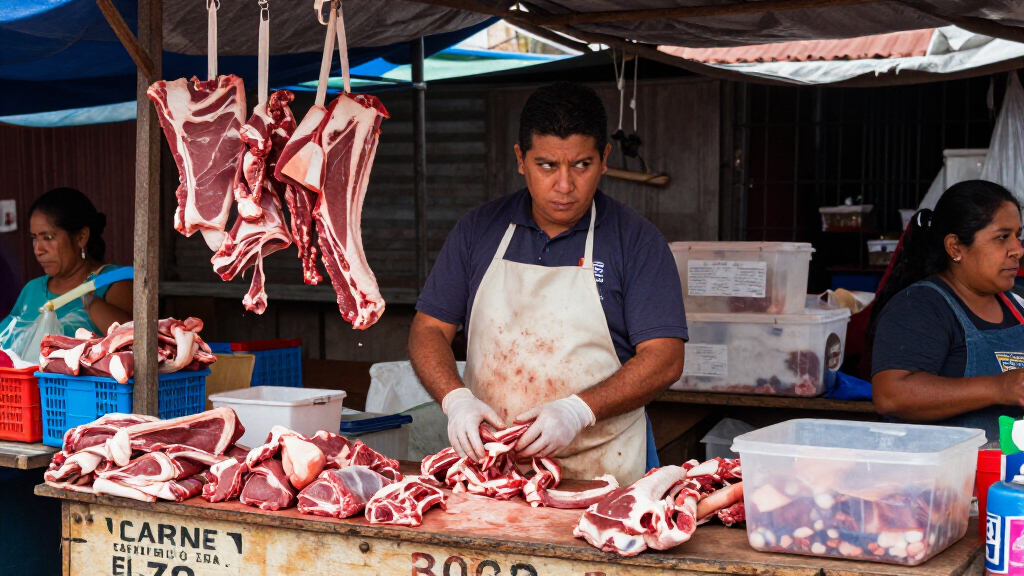
Authorities in Bogotá are investigating a surge in informal meat stalls operating without official health permits, raising concerns over public health and food safety. The phenomenon has gained attention amid reports of potential health risks linked to unregulated meat sales, which are increasingly common in the city’s markets and streets.
Local officials have confirmed that numerous informal meat vendors lack the necessary permits and do not adhere to hygiene standards mandated by health authorities. These stalls often operate in open-air settings, sometimes without refrigeration, increasing the risk of contamination and foodborne illnesses.
While the exact number of unregulated stalls remains unclear, reports from neighborhood markets and street vendors suggest a significant rise in their presence over the past year. Authorities have begun inspections, but enforcement remains inconsistent due to resource limitations and the widespread nature of these vendors.
Experts warn that consuming meat from unregulated sources can expose consumers to pathogens, bacteria, and other contaminants that are typically controlled in regulated food establishments. There have been no confirmed outbreaks directly linked to these stalls yet, but public health officials emphasize the potential danger.
Health Risks and Regulatory Challenges of Informal Meat Sales
The proliferation of unregulated meat stalls in Bogotá poses serious public health risks. Without proper hygiene, temperature control, and official oversight, consumers are vulnerable to foodborne diseases. This situation complicates efforts by authorities to ensure food safety and enforce existing regulations, potentially leading to outbreaks and long-term health consequences if unchecked.
As an affiliate, we earn on qualifying purchases.
Rise of Informal Food Markets in Bogotá
Over recent years, Bogotá has seen a steady increase in informal food vendors, especially in lower-income neighborhoods where regulation enforcement is less strict. This trend is partly driven by economic necessity among vendors and consumer demand for affordable meat options. Historically, the city’s food safety regulations have targeted formal establishments, leaving many informal stalls outside official oversight.
The current spike in unregulated meat sales has coincided with broader challenges in municipal oversight and resource allocation, making enforcement more difficult. Meanwhile, public awareness of food safety issues related to informal markets remains limited, complicating efforts to inform consumers about potential risks.
As an affiliate, we earn on qualifying purchases.
Extent of Food Safety Risks and Enforcement Gaps
It is not yet clear how widespread the health risks are directly linked to these informal stalls, as no confirmed outbreaks have been publicly reported. The exact number of unregulated vendors and the full scope of enforcement challenges remain under investigation. Authorities acknowledge resource constraints and operational difficulties, but specifics are still emerging.
As an affiliate, we earn on qualifying purchases.
Expected Regulatory Actions and Public Awareness Campaigns
Municipal authorities are expected to increase inspections and enforcement efforts targeting unregulated meat stalls. Public health campaigns aimed at educating consumers about food safety and the risks of buying from informal vendors are also likely to be launched in the coming months. Further investigations into the scope of the issue and potential health incidents are ongoing.
As an affiliate, we earn on qualifying purchases.
Key Questions
Are there any confirmed cases of illness linked to unregulated meat stalls in Bogotá?
As of now, there have been no publicly confirmed cases directly linked to these stalls. Authorities caution that the risk exists, but no outbreaks have been officially reported.
What regulations apply to meat vendors in Bogotá?
Legal meat vendors are required to obtain permits, adhere to hygiene standards, and follow temperature control regulations. Many informal vendors operate outside these legal requirements.
What are the main health risks associated with buying from unregulated stalls?
Potential risks include exposure to bacteria, pathogens, and contaminants that can cause foodborne illnesses. Lack of refrigeration and poor hygiene increase these dangers.
How are authorities planning to address this issue?
Authorities plan to increase inspections, enforce regulations more strictly, and launch public awareness campaigns to inform consumers about the dangers of unregulated meat sources.
What can consumers do to protect themselves?
Consumers should prefer vendors with proper permits and hygiene practices, and be cautious about buying meat from informal stalls without visible health certifications.
Source: local
Evergreen bestsellers Picks
bestsellers
As an affiliate, we earn on qualifying purchases.