

TL;DR
Open a free Amazon Business account
Business pricing, bulk buying and tax-exempt orders.
Create a free accountAs an affiliate, we earn on qualifying purchases.
AMRAP, or As Many Rounds As Possible, is about performing a set sequence of exercises within a fixed time, pushing your effort to the max. Structuring these workouts around precise timing boosts endurance and motivates consistent progress. Using strategic pacing and scalable exercises, you can tailor AMRAPs for any fitness level and goal.
Ever finished an intense workout feeling like you’ve barely scratched the surface? That’s the magic of AMRAP — a format that crams maximum effort into a fixed time. It’s about pushing yourself to complete as many rounds or reps as possible before the clock runs out.
Whether you’re training at home or in a gym, understanding how to structure AMRAP timing can turn a good workout into a game-changer. You’ll learn how to set the right duration, choose exercises, and pace yourself for steady progress and motivation.
Choose workout durations that match your goals—shorter for intensity, longer for endurance.
Mix different exercise types to keep your AMRAP balanced and engaging.
Pacing is vital: start steady, monitor your effort, and adjust to avoid burnout.
Scale exercises and reps to match your fitness level and prevent injury.
Track your rounds and progress to stay motivated and see improvements over time.
AMRAP Timing: Work the Clock. Don’t Race It.
As Many Rounds As Possible turns a fixed window into a focused test of endurance, strength and judgment. The best AMRAP is not an opening sprint—it is a repeatable pace, a balanced sequence and clean technique maintained until time expires.
Short sessions emphasize intensity; longer sessions demand aerobic control and mental resilience.
Begin near your maximum sustainable effort—not your absolute maximum.
Record complete rounds, then add repetitions completed in the unfinished round.
Repeat one planned exercise sequence until the clock ends.
Versatile durations for beginner, mixed and endurance-focused sessions.
A round only helps when repetitions remain controlled and repeatable.
Compare rounds, reps, pacing and movement quality over time.
Match duration to the adaptation.
The time cap changes everything: exercise complexity, sustainable pace, recovery cost and the point at which technique may begin to fade.
Short & sharp
Best for metabolic intensity, power-focused conditioning and simple movements that can remain crisp under pressure.
Balanced engine
A practical middle ground for cardiovascular work and muscular stamina, with enough time to reward disciplined pacing.
Long & controlled
Designed for aerobic capacity and mental resilience. Reduce movement complexity and monitor fatigue-related form loss.
Choose movements that play well together.
Balance movement types and muscle groups so one local weakness does not stop the entire workout before your conditioning is tested.
Scalable control
Low setup time and easy rep adjustments make bodyweight work ideal for smooth transitions.
Examples Push-ups · squats · lunges · burpeesStrength under fatigue
Loaded movements build strength and raise demand, but technique must determine the working weight.
Examples Deadlifts · kettlebell swings · pressesHeart-rate driver
Monostructural work raises cardiovascular demand and can give fatigued muscle groups brief relief.
Examples Rowing · running · cycling · jump ropeA simple programming rule
Combine two complementary strength or bodyweight patterns with one cardiovascular element. Alternate upper and lower body, push and pull, or loaded and unloaded work to distribute fatigue.
Select the AMRAP that fits the athlete.
Complexity should rise only when movement skill, pacing awareness and recovery capacity are ready to support it.
| Workout type | Short 4–10 | Medium 15–20 | Long 30+ | Programming note |
|---|---|---|---|---|
| Beginner bodyweight | ✓ | ✓ | ~ | Reduce reps and preserve easy movement standards. |
| High-power conditioning | ✓ | ~ | ✗ | Keep the sequence short and transitions fast. |
| Mixed muscular stamina | ~ | ✓ | ~ | Balance push, pull, hinge and lower-body work. |
| Aerobic endurance | ✗ | ✓ | ✓ | Use sustainable movements and deliberate pacing. |
| Complex loaded lifts | ~ | ~ | ✗ | Avoid technical failure; scale load before speed. |
✓ strong fit ~ conditional fit ✗ generally avoid
Start sustainable. Finish assertive.
A consistent round time usually beats a dramatic first round followed by long pauses, broken sets and deteriorating form.
A practical effort curve
Illustrative pacing targets for a medium-length AMRAP.
Turn every workout into usable feedback.
The score matters, but the deeper value comes from connecting design, execution, recovery and the next training decision.
Set the goal
Choose intensity, stamina, endurance or a mixed outcome.
Scale the work
Adjust time, load, movement complexity and repetitions.
Hold the pace
Track round splits and keep repetitions controlled.
Log the score
Record rounds, extra reps, load and movement version.
Progress one lever
Add quality reps, improve pace or advance the exercise.
15-minute AMRAP
Complete the sequence repeatedly for 15 minutes. Select movement versions that let you finish early rounds without grinding, then preserve roughly the same round time.
Push-ups
Upper-body pushKettlebell swings
Hinge + powerSit-ups
Trunk staminaMake every minute count.
AMRAP rewards restraint as much as effort: structure the challenge so the final minute still resembles the first.
Match time to goal
Short for intensity, medium for balance, long for endurance.
Balance movements
Mix patterns and muscle groups to distribute fatigue.
Pace deliberately
Start steady, monitor effort and earn the late push.
Scale before strain
Modify reps, load, complexity or duration to protect form.
Track quality
Log rounds and reps alongside technique and pacing notes.
What Exactly Is AMRAP and Why Timing Matters
AMRAP stands for As Many Rounds As Possible. It’s a workout style where you perform a set list of exercises repeatedly within a fixed time frame—say, 10, 15, or 20 minutes. The key? You aim to complete as many rounds as your fitness allows.
Timing shapes the entire experience. When you choose your workout duration, you’re effectively setting the pace for effort, fatigue, and mental focus. Too short, and you might not push your limits; too long, and fatigue can cause your form to break down or motivation to wane. The right timing creates a balance where effort remains high, but safety and technique are maintained. This balance influences your gains—too rushed can lead to injury or burnout, while too slow might reduce the workout’s intensity and benefits. Finding this sweet spot allows you to challenge yourself without overdoing it, leading to better consistency and progress over time.
For example, a 15-minute AMRAP of 10 push-ups, 15 kettlebell swings, and 20 sit-ups demands a different pacing strategy than a 30-minute session. The shorter workout encourages high-intensity effort, while longer sessions require endurance and mental resilience. Understanding how timing impacts effort distribution and fatigue helps you tailor workouts that align with your goals, whether it’s building strength, endurance, or mental toughness.

Gym Timer Clock Bluetooth App Controlled Magnetic Workout Interval Timer, Home Large LED Digital Display, Countdown Clock for Score Crossfit, Tabata, HIIT, EMOM, Boxing
- Bluetooth App Control: Easy setup and program creation
- Magnetic Mount: Secure attachment to gym equipment
- Rechargeable Battery: Supports long workout sessions
As an affiliate, we earn on qualifying purchases.
As an affiliate, we earn on qualifying purchases.
How to Pick the Perfect Duration for Your Goals
Choosing the right AMRAP length depends on your fitness goals, experience level, and the specific adaptations you seek. The duration influences not just how hard you push but also how your body responds, recover, and adapt. For instance, shorter workouts (4-10 mins) are excellent for high-intensity efforts that maximize calorie burn and boost metabolic rate, but they require precise pacing to avoid burnout. Medium-length sessions (15-20 mins) strike a balance between intensity and endurance, fostering muscular stamina and cardiovascular health, while longer durations (30+ mins) challenge your mental toughness and aerobic capacity, often leading to significant endurance improvements. However, longer workouts increase the risk of fatigue-related form breakdown or overtraining if not managed carefully. The tradeoff is between pushing hard for shorter bursts versus sustaining effort longer, which influences recovery needs and injury risk. Selecting an appropriate duration means aligning the workout length with your current fitness level and recovery capacity, ensuring you challenge yourself without overextending. For example, starting with a 10-minute AMRAP of bodyweight exercises can build confidence and endurance, while seasoned athletes might opt for 20-30 minute sessions with added weights or complex movements to induce hypertrophy and stamina. Recognizing these tradeoffs allows you to design workouts that are both effective and sustainable, helping you avoid plateaus or injury while maximizing progress.
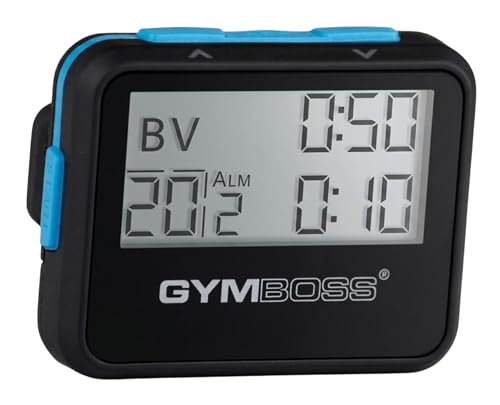
Gymboss Interval Timer and Stopwatch – Black/Blue SOFTCOAT
- Compact Interval Timer: Times 1 or 2 intervals from 2 sec to 99 min
- Built-in Stopwatch & Clock: Includes secure, removable belt clip
- Auto Repeat Mode: Repeats intervals up to 99 times with notifications
As an affiliate, we earn on qualifying purchases.
As an affiliate, we earn on qualifying purchases.
Designing an AMRAP: Picking Exercises That Play Well Together
AMRAP isn’t just about picking random exercises. It’s about choosing movements that flow together and challenge different muscle groups. Here’s a quick comparison:
| Type of Exercise | Example | Why It Works |
|---|---|---|
| Bodyweight | Push-ups, squats, lunges | Easy to modify, scalable, no equipment needed |
| Weightlifting | Deadlifts, kettlebell swings | Builds strength, increases calorie burn |
| Cardio | Rowing, jump rope | Boosts heart rate quickly, enhances endurance |
Choosing exercises that complement each other is crucial because it affects workout flow, effort distribution, and recovery. For example, alternating between a strength move like kettlebell swings and a cardio move like jump rope allows muscles to recover slightly between sets, maintaining higher intensity overall. Mixing different types also prevents mental fatigue and keeps motivation high. When designing your workout, think about how different exercises impact fatigue—pairing high-effort movements with lower-effort ones can help sustain effort across the entire session. Additionally, consider the muscle groups involved; balancing push and pull movements or upper and lower body exercises can prevent overtraining specific muscles and reduce injury risk. This strategic selection enhances workout efficiency, ensuring that you can perform more rounds with good form and energy, ultimately leading to better progress and reduced injury risk.

ANJANK Small Portable Gym Timer Clock, Strong Magnet, Workout Interval Timer with Powerful Battery, Stopwatch, Remote Control, Adjustable Brightness, Fitness Digital Timer for Home/Garage/Boxing
- Built-in remote control: Remote integrated into the back of the timer
- Portable gym timer: Compact size for easy carrying and versatile use
- Multiple workout modes: Includes preset and customizable exercise modes
As an affiliate, we earn on qualifying purchases.
As an affiliate, we earn on qualifying purchases.
Strategies to Pace Yourself and Maximize Rounds
In an AMRAP, pacing is everything. Starting too fast can cause early fatigue, making it impossible to sustain effort and risking injury or poor form. Conversely, pacing too slow might mean missing out on maximizing your potential, leading to fewer rounds and slower progress. Effective pacing involves understanding your own effort capacity and how it varies during the workout. Beginning with about 80% of your maximum sustainable effort helps conserve energy while maintaining intensity. Focusing on smooth, controlled reps reduces unnecessary energy expenditure, preventing early burnout. Using a timer to break the workout into manageable segments—such as 3-minute intervals—allows you to monitor your effort and adjust accordingly, ensuring you stay within your optimal effort zone. This approach helps prevent the temptation to sprint at the start or slow down excessively when fatigue sets in. Adjusting your pace on the fly based on how you feel is key—if you’re feeling strong, you can push a little harder; if fatigue creeps in, dial back slightly to maintain good form and consistency. Practical experience shows that mindful pacing extends your effort duration, increases total rounds, and enhances mental resilience, especially during longer AMRAPs. Remember, the goal isn’t just to finish fast, but to sustain effort for the entire duration while maintaining good technique and avoiding injury.

Fitness Tracker Watch with Heart Rate, Activity Tracker, Pedometer Watch
- Heart Rate and Sleep Monitoring: Tracks heart rate and sleep quality daily
- Multiple Sport Modes: Supports 9 sports including running and walking
- Activity and Calorie Tracking: Records steps, calories, distance, and active time
As an affiliate, we earn on qualifying purchases.
As an affiliate, we earn on qualifying purchases.
Scaling AMRAPs for Any Fitness Level
AMRAP is super flexible. If you’re just starting out, you can modify by reducing reps, shortening the duration, or selecting easier exercises. This flexibility allows you to build confidence and prevent injury as you develop your fitness base. For example, substituting knee push-ups for standard push-ups or doing fewer rounds makes the workout more manageable while still providing a challenge. Conversely, advanced athletes can increase intensity by adding weights, increasing reps, or extending workout duration. This scalability ensures that your workout remains challenging and effective, regardless of your current fitness level. When scaling, think about the tradeoffs: reducing intensity or duration minimizes injury risk but may also limit some benefits, so aim for a balance that pushes your limits safely. For instance, I once did a 10-minute AMRAP with just squats and jumping jacks post-injury recovery, which kept me active without overtaxing my body. This approach emphasizes listening to your body and adjusting accordingly, making sure you stay consistent and progress steadily without risking setbacks.
Tracking Your Progress and Staying Motivated
Tracking rounds, reps, or calories burned during an AMRAP isn’t just about recording numbers—it’s a powerful way to understand your progress, set goals, and stay motivated. When you keep a record, you create a tangible measure of improvement that can reinforce your commitment and boost confidence. Recognizing progress over weeks—such as increasing your total rounds by three or reducing rest time—provides a sense of achievement that fuels further effort. This feedback loop encourages consistency and helps you identify what strategies work best for you. Additionally, variety plays a crucial role: changing exercises, increasing workout duration, or adding weights prevent plateaus and keep your mind engaged. The act of tracking also helps you identify patterns, such as fatigue points or recovery needs, enabling smarter planning and safer progression. Over time, this data-driven approach fosters a growth mindset, turning workouts into measurable milestones rather than just routines. Ultimately, consistent tracking and variety create a cycle of motivation, improvement, and sustained effort that accelerates your fitness journey.
Frequently Asked Questions
How do I decide how long my AMRAP should be?
Pick a duration based on your fitness level and goals. Beginners might start with 10 minutes, while seasoned athletes can push to 20 or 30 minutes. The key is challenging yourself without risking burnout.
Can I mix different exercises in an AMRAP?
Absolutely. Combining strength, cardio, and bodyweight movements keeps the workout dynamic and prevents fatigue from hitting too hard too soon. Variety also boosts overall fitness.
What’s the best way to pace myself during an AMRAP?
Start with a sustainable pace—about 80% effort—and focus on consistent reps. Use a timer to check in every few minutes, and don’t be afraid to slow down or speed up depending on how you feel.
How can I modify an AMRAP if I’m injured or just starting out?
Scale exercises, reduce reps, or shorten the workout duration. For example, swap push-ups for wall push-ups or do fewer rounds. The goal is to stay active without risking injury.
Conclusion
AMRAP timing isn’t just about squeezing the most reps into a set period. It’s about smart pacing, tailored exercises, and pushing your limits safely. When you get the rhythm right, these workouts become a relentless, rewarding challenge.
Next time you set the timer, remember — it’s your effort, not just the clock, that makes the difference. So pick your duration, pace yourself, and watch your fitness soar.
Grilling season Picks
grills
As an affiliate, we earn on qualifying purchases.