
TL;DR
Open a free Amazon Business account
Business pricing, bulk buying and tax-exempt orders.
Create a free accountAs an affiliate, we earn on qualifying purchases.
Interval running for beginners focuses on alternating walking and jogging to build endurance. Starting with simple ratios like 1:2 or 1:1 helps you progress gradually without burnout. Using timers or apps makes sticking to these plans straightforward and stress-free.
Imagine lacing up your shoes, feeling the crisp air, and knowing exactly when to walk or run next. No guesswork, no exhaustion, just a steady, manageable rhythm that transforms your fitness. That’s the power of walk-run interval plans—simple, effective, and built for real people.
If you’ve ever felt overwhelmed by the idea of running nonstop or worried about injury, these plans are your ticket to progress without the pain. Today, you’ll learn how to set up your own walk-run timing schedule, what ratios to try first, and how to adjust as you go. Think of it as a recipe—just follow the steps, and you’ll be running comfortably in no time.
Start with conservative ratios like 1:2 or 1:1 to avoid burnout and injury.
Use a timer or app to cue your walk and run segments, removing guesswork.
Progress gradually—only increase run time when you feel ready, not before.
Keep effort conversational—if you’re gasping, slow down or lengthen walks.
Consistency and listening to your body beat pushing for speed or distance too soon.
What exactly is walk-run interval training—and why does it work?
Walk-run interval training is a method where you alternate set periods of jogging or running with walking recovery. It’s the core of programs like Couch to 5K, and it’s also what coach Jeff Galloway popularized. Instead of pushing your body to its limit from the start, you build endurance gradually.
Research from sports science shows that this approach keeps your heart rate in a safe zone, which reduces cardiovascular stress and the risk of overexertion—a common cause of injury and burnout among beginners. The impact on joints is also minimized because the walking segments absorb some of the shock that continuous running might cause. This balance allows your muscles and tendons to adapt without being overwhelmed, promoting sustainable progress.
For example, a typical beginner plan might start with 1-minute runs followed by 2-minute walks. This pattern provides a manageable challenge, giving your body a chance to develop endurance while minimizing fatigue. Over time, these intervals can be increased as your fitness improves, creating a gradual, safe progression that encourages consistency and reduces the likelihood of injury or discouragement.
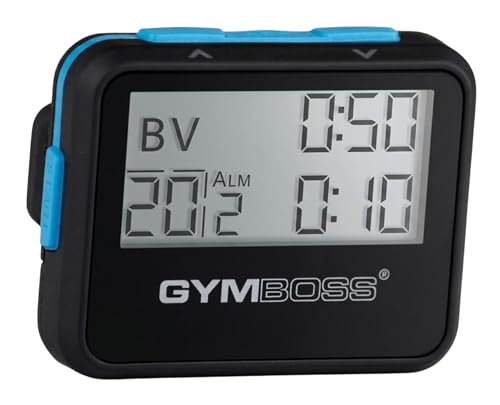
Gymboss Interval Timer and Stopwatch – Black/Blue SOFTCOAT
- Compact Interval Timer: Times 1 or 2 intervals from 2 sec to 99 min
- Built-in Stopwatch & Clock: Includes secure, removable belt clip
- Auto Repeat Mode: Repeats intervals up to 99 times with notifications
As an affiliate, we earn on qualifying purchases.
As an affiliate, we earn on qualifying purchases.
How to pick your first walk-run ratio and timing plan
Choosing your first run-walk ratio depends on your current fitness level and your goals. The key is to start conservatively to avoid burnout and injury, then adjust as your endurance improves. For beginners, the focus should be on consistency and effort rather than speed or distance.
For instance, a 1:2 ratio (1 minute running, 2 minutes walking) provides a good balance for most newcomers—long enough to challenge your cardiovascular system but with enough recovery to maintain good form. A 1:1 ratio might be suitable if you already have some fitness or want a slightly more intense workout, but be cautious not to overexert early on. Shorter intervals like 30 seconds run/2-4 minutes walk can be ideal for those who feel heavy or unsure about their ability, as these allow for frequent recovery and help build confidence gradually.
Starting with a session of about 20 minutes, including warm-up and cool-down, is practical. For example, doing 8 cycles of 1-minute run / 2-minute walk helps you gauge your comfort level. If you finish feeling energized and sore-free, you can gradually extend the run segments in subsequent weeks. The main goal is to listen to your body and prioritize consistency over pushing for faster progress, which can lead to setbacks or injury.
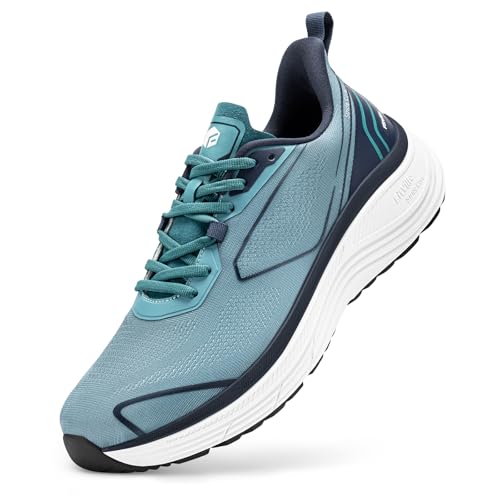
FitVille Men's Wide Walking Shoes, Lightweight Wide Width Athletic Sneakers with Explosive Energy Return & Arch Support for Heel Pain Relief, Featherlight Sports Shoes for Flat Feet
- Wide Toe Box & High-Instep Fit: Provides spacious fit for wider feet and flat feet
- Featherlight Breathable Upper: Keeps feet cool and dry with breathable mesh
- Reinforced Tear-Resistant Material: Ensures durability over multiple seasons
As an affiliate, we earn on qualifying purchases.
As an affiliate, we earn on qualifying purchases.
Comparison: Common walk-run ratios and their pros & cons
| Ratio | Best For | Advantages | Challenges |
|---|---|---|---|
| 1:1 | Beginners with some fitness or those who want a balanced effort | Provides a steady, manageable effort that fosters both endurance and confidence. It encourages a rhythm that’s sustainable over time, helping you develop both aerobic capacity and mental resilience. | May feel too intense for absolute beginners who are just starting out, potentially leading to early fatigue or discouragement if not monitored carefully. It also requires good pacing to avoid overexertion. |
| 1:2 | Complete newcomers, older adults, or those prioritizing recovery | Offers longer recovery periods, reducing fatigue and joint stress. It’s especially effective for building confidence and ensuring adherence, as the frequent breaks make the workout feel less daunting. | Longer walking segments may slow initial endurance gains, possibly requiring more time to progress toward continuous running. It’s a conservative approach that might delay reaching certain distance or speed goals but emphasizes safety and consistency. |
| 30 sec run / 3-4 min walk | Heavier, sedentary beginners or those with joint concerns | Very gentle start that minimizes impact and stress, making it suitable for those with joint issues or significant weight to carry. It helps build a baseline of cardiovascular fitness without overwhelming the body. | Progress in endurance and speed may be slower, requiring patience and longer-term commitment. It’s important to gradually increase run time to avoid stagnation and ensure continued adaptation. |

Garmin Forerunner 55, GPS Running Watch with Daily Suggested Workouts, Up to 2 Weeks of Battery Life, Black – 010-02562-00
- Heart Rate Monitoring: Wrist-based heart rate tracking
- GPS Tracking: Tracks distance, pace, and route
- Bluetooth Connectivity: Wireless connection for data transfer
As an affiliate, we earn on qualifying purchases.
As an affiliate, we earn on qualifying purchases.
When and how to adjust your walk-run plan as you improve
Adjusting your plan is a key part of progression, but it should be approached with mindfulness to avoid setbacks. As you become more comfortable, your body will adapt, and you’ll likely notice that your recovery becomes quicker, and your endurance improves. This is when you can start increasing the run intervals or reducing walking time, but only if your effort remains comfortable and sustainable.
The importance of listening to your body cannot be overstated. If you finish your weekly sessions feeling energized and eager to do more, it’s a sign that your current ratio may be too conservative. Gradually increasing the run segments—say, moving from 1:2 to 1:1.5—can challenge your cardiovascular system without risking overtraining.
On the other hand, if you experience persistent soreness, joint discomfort, or fatigue that lingers beyond a day or two, it’s wise to maintain your current ratio longer or even repeat a week. Rushing to increase intensity can lead to injury or burnout, which sets back your progress. Remember, the goal is sustainable growth, achieved through small, consistent steps that respect your body’s signals. Recognizing these signs and adjusting accordingly is crucial for long-term success and injury prevention, as it ensures that your training remains safe, effective, and aligned with your evolving fitness level.

5K Training For Beginners: From Couch To 5K Runner In 8 Weeks Or Less
As an affiliate, we earn on qualifying purchases.
As an affiliate, we earn on qualifying purchases.
What tools make following your walk-run plan easier?
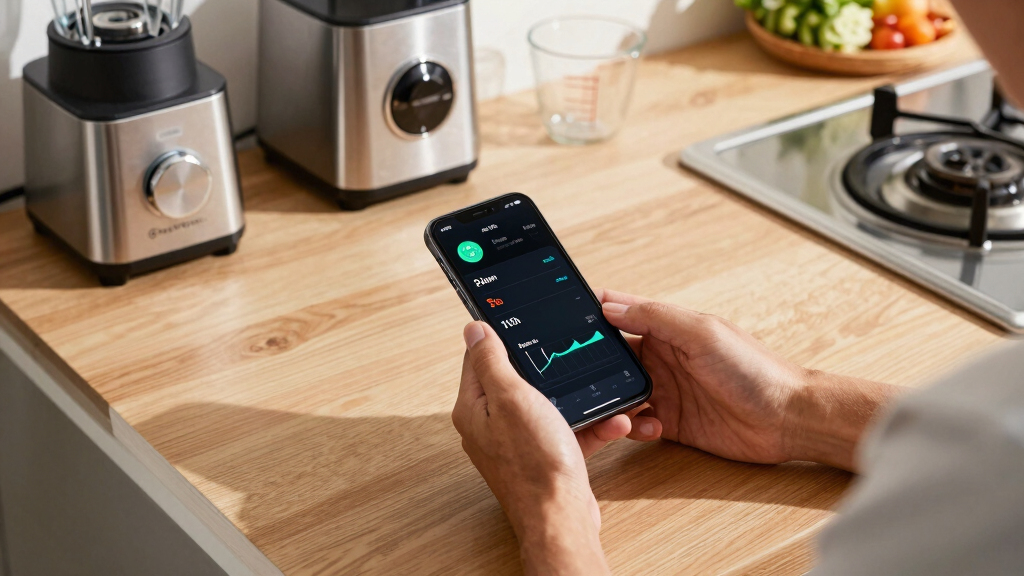
You don’t need fancy gear—just a timer, some comfy shoes, and soft surfaces when possible. But technology can help. Apps like Couch to 5K, Nike Run Club, or Garmin plans automatically cue your walk and run intervals with sounds or vibrations, so you don’t need to watch a clock.
Using these tools ensures you stay consistent with your timing, which is crucial for building endurance. They also help remove the mental load of counting seconds or minutes, allowing you to focus on effort and breathing. Over time, as your fitness improves, these tools can be adjusted to match your new goals, making your progress more measurable and motivating.
Even a simple stopwatch or phone timer works perfectly. The main goal is to remove guesswork and keep your intervals consistent, which helps your body adapt steadily. Consistency in timing and effort is what ultimately leads to sustained improvement.
Frequently Asked Questions
Is walking “cheating” in interval training?
Not at all. Walk breaks are the foundation of walk-run training. They’re planned, strategic pauses that help you build endurance safely and sustainably.How do I know when to increase my run time?
When you can complete your weekly sessions comfortably without excessive fatigue or soreness, it’s time to try longer run intervals. Progress gradually—about 10% per week is a good rule.Can I use walk breaks in a race?
Absolutely. Many runners, including elites, use walk breaks in 5Ks through marathons to maintain energy and pace. It’s a smart strategy for preserving strength and avoiding burnout.What if I feel pain or joint discomfort?
Stop and rest. If discomfort persists, cut back on your walk-run ratios, wear supportive shoes, and consider consulting a professional, especially if pain continues or worsens.Do I need special gear or a fancy timer?
Not at all. Any timer, smartphone app, or even a simple stopwatch works. The main thing is staying consistent with your intervals and effort.Conclusion
Walk-run interval plans turn running into a manageable, enjoyable journey. They let you build endurance steadily without feeling overwhelmed or risking injury. Remember, every step forward is a victory—trust your pace, and soon you’ll be crossing finish lines with confidence.
So, lace up and set your timer. Your best running days are just a few walk-runs away.
Back to school Picks
back to school
As an affiliate, we earn on qualifying purchases.