TL;DR
Open a free Amazon Business account
Business pricing, bulk buying and tax-exempt orders.
Create a free accountAs an affiliate, we earn on qualifying purchases.
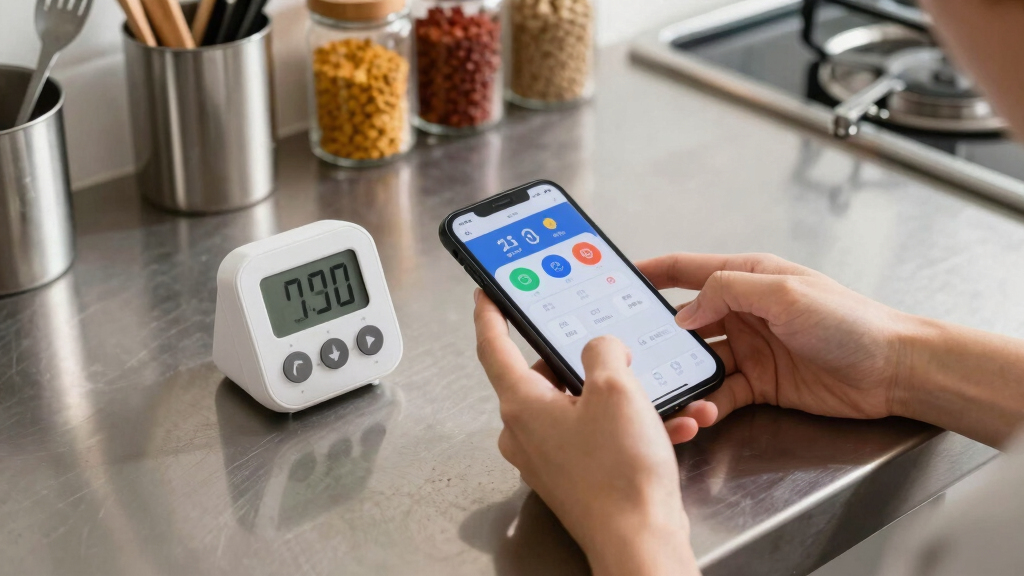
Dedicated interval timers usually provide better accuracy and focus for high-intensity activities, but timer apps are more flexible and budget-friendly. The best choice depends on your specific needs and activity type.
Dedicated interval timers offer 10-20% higher accuracy in high-movement scenarios due to specialized hardware.
Timer apps are more flexible, customizable, and budget-friendly, making them suitable for casual or multi-purpose use.
Hardware quality and design directly impact the precision and reliability of a timer, especially during intense routines.
Choose a dedicated timer for professional, competitive, or high-stakes training where every second counts.
For general fitness or everyday tasks, a well-chosen timer app can suffice without sacrificing too much accuracy.
What Exactly Are Timer Apps and How Do They Work?
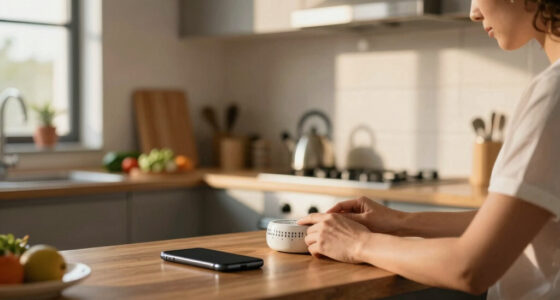
Timer apps are software tools on your smartphone or tablet, designed to keep track of time for almost anything—cooking, work sprints, meditation, or workouts. They use your device’s processor and sound or vibration alarms to notify you when time’s up. For example, a simple app might let you set a 30-minute timer while you focus on work or a 10-minute break after exercise.
These apps are versatile, customizable, and often free or cheap. But their accuracy depends on your device’s performance and how well the app is coded. If your phone is lagging or running background apps, timing might slip a little—especially over longer periods. This can be critical during high-intensity routines where even a second’s delay can disrupt your flow or cause misaligned intervals. The tradeoff is convenience and flexibility—most people already carry their phones, so no extra equipment is needed. However, reliance on software means you’re also subject to hardware limitations, such as processing delays or background interference, which can compromise precision when it matters most.
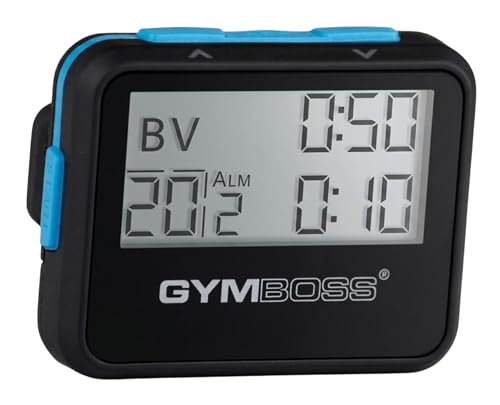
Gymboss Interval Timer and Stopwatch – Black/Blue SOFTCOAT
- Compact Interval Timer: Times 1 or 2 intervals from 2 sec to 99 min
- Built-in Stopwatch & Clock: Includes secure, removable belt clip
- Auto Repeat Mode: Repeats intervals up to 99 times with notifications
As an affiliate, we earn on qualifying purchases.
As an affiliate, we earn on qualifying purchases.
How Do Dedicated Interval Timers Keep You Focused & Precise?
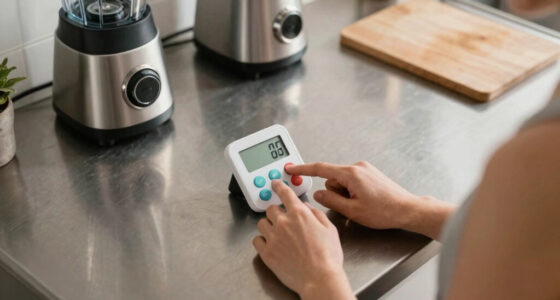
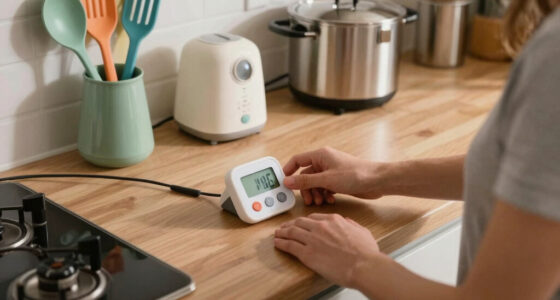
Dedicated interval timers are hardware devices built specifically for timing high-intensity activities like HIIT, boxing, or circuit training. They feature large, bright displays, loud alarms, and often vibration alerts, so you can stay focused without looking at your phone. For example, a dedicated timer might beep loudly every 30 seconds during a workout, with a visual countdown that’s easy to see from across the room.
Because these devices are designed for precision, they minimize lag and delay—keeping your intervals consistent even during intense movement. Many also include preset routines, making it quick to switch between exercises without fiddling with settings. The implication of this design focus is that you can trust the timer to perform reliably in demanding situations, which is crucial for maintaining workout structure and safety. The tradeoff is that these devices are less flexible—they often lack the customization options of apps and are typically more expensive upfront. But their hardware-centric approach ensures that timing remains accurate, which can directly impact your training outcomes, especially when milliseconds matter.

ANJANK Small Portable Gym Timer Clock, Strong Magnet, Workout Interval Timer with Powerful Battery, Stopwatch, Remote Control, Adjustable Brightness, Fitness Digital Timer for Home/Garage/Boxing
- Built-in remote control: Remote integrated into the back of the timer
- Portable gym timer: Compact size for easy carrying and versatile use
- Multiple workout modes: Includes preset and customizable exercise modes
As an affiliate, we earn on qualifying purchases.
As an affiliate, we earn on qualifying purchases.
Timer Apps vs Dedicated Timers: The Head-to-Head Comparison
| Feature | Timer Apps | Dedicated Interval Timers |
|---|---|---|
| Focus & Ease of Use | Flexible controls, customizable routines, notifications on your device. | Simplified interface, large display, visual cues, loud/vibration alerts. |
| Accuracy | Depends on device performance; lag possible, especially on older phones. This can lead to mis-timed intervals, reducing workout precision and potentially causing frustration or safety issues during high-stakes routines. | High precision; hardware designed for minimal lag, reliable during high-movement activities. This ensures your intervals are consistent, supporting better performance and adherence to training plans. |
| Cost | Many free; premium versions may add features. | One-time purchase; price varies based on features and durability. |
| Portability & Hardware | Smartphone or tablet; dependent on battery life. | Standalone device, often rugged, battery-powered, and easy to carry. |
| Customization | Highly customizable routines, multiple timers, app integrations. | Preset routines, simple controls, quick adjustments. |
ANJANK Small Portable Gym Timer Clock, Strong Magnet, Workout Interval Timer with Powerful Battery, Stopwatch, Remote Control, Adjustable Brightness, Fitness Digital Timer for Home/Garage/Boxing
- Built-in remote control: Remote integrated into the back of the timer
- Portable gym timer: Compact size for easy carrying and versatile use
- Multiple workout modes: Includes preset and customizable exercise modes
As an affiliate, we earn on qualifying purchases.
As an affiliate, we earn on qualifying purchases.
Why Hardware Quality Matters More Than You Think
When timing matters—like during a high-stakes workout—hardware quality can make a big difference. Dedicated timers often use better components to reduce lag and handle rapid, precise signals. Imagine doing sprints and needing a beep at exactly the 15-second mark—your phone might delay, but a dedicated timer is built for that clarity.
According to Timer Tools, dedicated timers are generally 10-20% more accurate than apps in high-movement scenarios. That’s the kind of difference that can influence your workout results or focus. The implication is that investing in quality hardware can translate into more reliable training sessions, especially when precision is critical. The tradeoff is that dedicated timers may be more expensive and less versatile, but their hardware-centric design ensures that you get a level of accuracy that software alone cannot guarantee, especially under strenuous conditions.
Gymboss Interval Timer and Stopwatch – Black/Blue SOFTCOAT
- Compact Interval Timer: Times 1 or 2 intervals from 2 sec to 99 min
- Built-in Stopwatch & Clock: Includes secure, removable belt clip
- Auto Repeat Mode: Repeats intervals up to 99 times with notifications
As an affiliate, we earn on qualifying purchases.
As an affiliate, we earn on qualifying purchases.
What Features Should You Look for in Your Perfect Timer?
- Large, bright display — easy to see from across the room.
- Clear sound and vibration alerts — so you don’t miss signals.
- Multiple preset routines — for switching between exercises fast.
- Durability — especially if you work out outdoors or in rough environments.
- Ease of control — simple buttons or app controls for quick adjustments.
Choosing the right features depends on your activity. For example, outdoor runners may prioritize vibration alerts to cut through wind and ambient noise, ensuring they don’t miss critical signals. Gym users might prefer loud beeps and large displays for quick glances during intense routines. The key is understanding what tradeoffs you’re willing to make—more features often mean higher cost or complexity, but can greatly enhance your workout focus and safety.
Can You Trust Your Phone? The Pros and Cons of Timer Apps
Timer apps are convenient and versatile—most people already have a smartphone in their pocket. They’re perfect for casual workouts, cooking, or productivity sprints. But their accuracy can suffer if your phone is multitasking or running background apps. For instance, a timer app might lag during a high-intensity workout, causing your interval to run a second or two late. This can disrupt your rhythm, decrease workout effectiveness, or even lead to safety concerns if timing is critical.
On the plus side, many apps now include features like multiple timers, interval presets, and syncing with wearable devices, making them a flexible choice for many users. However, the reliance on software means you’re subject to the hardware and operating system’s performance limits, which can introduce inconsistency when precision is essential. This makes them suitable for less demanding routines but less reliable in high-stakes scenarios where every millisecond counts.
When Do Dedicated Timers Really Shine?
Dedicated timers excel during high-stakes, high-movement activities where every second counts. Think of a boxing coach timing rounds, or a CrossFit athlete doing complex routines. These timers reduce the risk of lag or missed signals, keeping your focus sharp and your workout precise. Their hardware-driven reliability ensures that the timing signals are delivered exactly when needed, which is vital for maintaining structure, safety, and performance in demanding environments.
For example, during a 20-minute HIIT session, a dedicated timer will beep exactly at each interval, no matter how much you sweat or move. This consistency helps you stay on schedule, push yourself safely, and avoid the frustration of mis-timed rest periods. The implication is that in scenarios where precision and dependability directly impact outcomes, dedicated timers are the superior choice, providing peace of mind and consistency that software alone cannot guarantee.
Which Should You Pick? Your Goals Decide
If your workouts are casual, or you want a tool that doubles for cooking or productivity, a timer app might be enough. They’re affordable, customizable, and always with you. But if you’re serious about precision—think professional training, competitive sports, or high-intensity routines—invest in a dedicated timer. The key is understanding how much accuracy and focus your activity demands and weighing that against your budget and flexibility needs.
Choosing the right tool can make a tangible difference in your results. For example, a dedicated timer’s reliability can help you adhere strictly to training protocols, leading to better progress and reduced risk of overtraining or injury. Meanwhile, a versatile app can suffice if your routine is less demanding or if you value convenience over absolute precision.
Final Punch: The Bottom Line
While both timer apps and dedicated timers serve your timing needs, dedicated devices win in accuracy and focus—especially during intense, movement-heavy routines. But for everyday use and versatility, apps offer enough precision at a fraction of the cost. Your choice hinges on how much precision your activity demands. Recognizing the tradeoffs helps you make an informed decision, ensuring your timing tool supports your goals rather than hindering them.
Next time you set a timer, think about what really matters—accuracy, focus, or convenience—and pick the tool that helps you hit your goals, every single time. The right choice can elevate your workout and boost your confidence, knowing you’re timing every interval with reliability.
Frequently Asked Questions
Are dedicated interval timers really more accurate than timer apps?
Yes. Dedicated timers are built with hardware designed specifically for high precision, reducing lag and delay during intense activities. They often provide millisecond accuracy, which is hard for most smartphone apps to match.Can I rely on timer apps for serious training?
Many advanced timer apps are quite capable for serious workouts, offering features like interval presets and syncing with wearables. But for activities where milliseconds matter—like competitive sports—dedicated timers still have the edge.Is it worth investing in a dedicated timer?
If your training involves high-intensity routines, multiple rounds, or outdoor sessions, a dedicated timer’s reliability and durability make it a smart investment. For casual use, a good app may be enough.What features should I look for in a good dedicated interval timer?
Look for a large, easy-to-read display; loud or vibration alerts; multiple preset routines; rugged build quality; and simple controls for quick adjustments during your activity.Are free timer apps trustworthy for high-precision needs?
Many free apps are highly functional and reliable for everyday activities. However, their accuracy can vary depending on your device’s performance. For critical timing, dedicated timers are more dependable.Conclusion
Picking the right timer boils down to what your activity demands. If precision and focus are non-negotiable, a dedicated interval timer will serve you best. But if you value flexibility and cost-effectiveness, your phone’s timer app can do just fine. The key is matching your tool to your goal—because in the end, timing isn’t just about seconds. It’s about hitting your target every time.Flea & tick season Picks
flea and tick prevention
As an affiliate, we earn on qualifying purchases.