TL;DR
A HIIT timer is a device or app that times your work and rest intervals during high-intensity workouts. Interval rounds alternate between periods of intense effort and recovery, boosting fitness efficiently. Modern timers help customize and track these rounds for better results.
Ever wonder how athletes push through intense workouts without losing track? The secret isn’t just mental grit — it’s the right timing tool. A HIIT timer keeps your workout precise, letting you focus solely on effort, not counting seconds.

Get kitchen gear delivered free with Prime
- Fast, free delivery on millions of items
- Prime Video, Amazon Music and more included
- Member-only deals all year
Whether you’re sprinting for 30 seconds or doing bodyweight burpees, timing matters. This guide breaks down what a HIIT timer does, how interval rounds work, and how you can customize your sessions to smash your fitness goals.
A HIIT timer keeps your workout on track with precise timing for each interval.
Interval rounds alternate high-effort bursts with recovery, boosting fat burn and fitness gains.
Modern timers offer customization, syncing with apps and wearables for smarter training.
Proper use of a timer improves safety, consistency, and workout effectiveness.
Start with simple intervals and gradually increase intensity to match your growing fitness.
What Exactly Is a HIIT Timer and Why You Need One
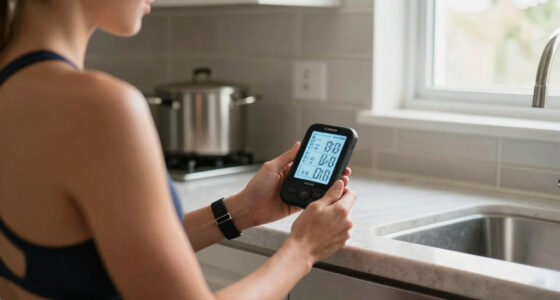
A HIIT timer is a device or app that tracks and signals your work and rest periods during high-intensity workouts. Think of it as your workout’s conductor, keeping the rhythm steady and preventing you from overdoing it or slacking off.
Imagine trying to do 8 rounds of 30-second sprints with 30 seconds rest. Without a timer, you’d be glancing at the clock, counting down mentally, risking uneven effort or fatigue. A dedicated timer ensures each interval is consistent, so your workout stays challenging but safe.
Popular options range from simple physical timers with blinking lights and beeping sounds to smartphone apps that let you customize every second. Features like visual countdowns, vibrations, and multiple rounds make timers adaptable to any fitness level.
Using a HIIT timer matters because it helps you maintain the correct intensity and prevent overtraining or injury. Consistency in timing ensures you get the maximum benefit from each session, whether you’re aiming for fat loss, endurance, or strength. It also allows you to push yourself appropriately, knowing precisely when to intensify effort or recover, which is crucial for progressing safely.
Products Worth Considering

Metabo HPT NP1835DA 18V Cordless 23-Gauge Pin Nailer Kit

Greenworks 48V (24V x 2) 20-Inch Brushless Cordless Push Lawn Mower with Two 4.0Ah Batteries and Dual-Port Charger

EGO POWER+ 16-Inch POWERLOAD String Trimmer with Telescopic Carbon Fiber Shaft (Battery and Charger Not Included)
As an affiliate, we earn on qualifying purchases.
How Do Interval Rounds Make Your Workout More Effective
Interval rounds are the fundamental structure of HIIT because they impose a strategic pattern of effort and recovery that enhances your body’s adaptation to high-intensity work. By alternating between high-effort bursts and active recovery, you stimulate multiple energy systems, improve cardiovascular capacity, and accelerate calorie burn.
This cycle creates a training effect that is more metabolically demanding than steady-state cardio. The brief, intense efforts push your muscles and cardiovascular system to adapt quickly, while recovery periods allow partial restoration, enabling you to sustain high effort over multiple rounds. This balance is critical because it maximizes calorie expenditure and muscle engagement without overwhelming your body, reducing injury risk.
Choosing the right interval pattern depends on your goals. Shorter, more intense intervals (like 20 seconds work / 10 seconds rest) target speed and power, while longer periods (like 45 seconds work / 45 seconds rest) focus on endurance. Adjusting these tradeoffs—such as increasing work duration or decreasing rest—can intensify the workout, but it’s important to consider your fitness level to avoid overtraining. The timer’s role is to enforce these intervals precisely, so you can optimize performance and recovery, leading to better long-term results.
What’s New? The Latest in HIIT Timer Tech
Smart technology is transforming HIIT timers. Today’s devices sync with apps and wearables, giving real-time feedback. For example, some timers learn from your performance and tweak intervals for maximum challenge.
AI-powered platforms can automatically adjust your workout based on your pace, preventing burnout or undertraining. Plus, sleek visual displays, multi-language support, and customizable sounds make workouts more engaging and accessible.
In short, modern timers are not just clocks — they’re personalized workout coaches in your pocket.
Key Facts About HIIT Timers That Actually Matter
Research shows that HIIT workouts, when timed correctly, can burn up to 25% more calories in less time compared to steady-state cardio. The afterburn effect means your body keeps burning calories even after the workout ends.
Many HIIT sessions last around 15-30 minutes, making them perfect for busy schedules. Using a timer properly helps maintain safety and consistency, reducing the risk of injury.
Proper timing also influences how effectively your body adapts to the training stimulus. Consistent intervals ensure that you’re pushing hard enough to stimulate improvements without risking overexertion. This balance is essential because it determines whether your workout leads to gains or injury. Whether you’re a beginner or an experienced athlete, a timer helps you stay aligned with your goals, track progress, and make adjustments based on real-time feedback.
Your Top Questions About HIIT Timers Answered
- What’s the best HIIT timer app or device? Choose one that’s customizable, easy to use, and fits your routine. Popular options include Seconds and Tabata Timer.
- How do I set up my own HIIT workout? Decide your work/rest durations, number of rounds, and input these into your timer. For example, 30 seconds work, 15 seconds rest, for 10 rounds.
- Can I use a regular stopwatch? Yes, but dedicated timers offer preset intervals, alarms, and easier management, especially for complex routines. They reduce the chance of human error and help you stay consistent, which is crucial for tracking progress and ensuring safety.
- Are there risks? Yes, especially if you push too hard or have health issues. Always warm up, listen to your body, and check with a doctor if unsure.
- How do I progress? Increase intervals gradually, add rounds, or reduce rest to keep challenging your body as you improve.
Conclusion
Think of a HIIT timer as your workout’s rhythm keeper — the silent coach that pushes you just enough, every time. With it, you control your effort, not your clock.
Remember: the real magic happens when you match your effort to the timer’s signals. That’s how you turn a short session into a powerful fitness boost. Pick your timer, set your rounds, and get ready to crush your goals.