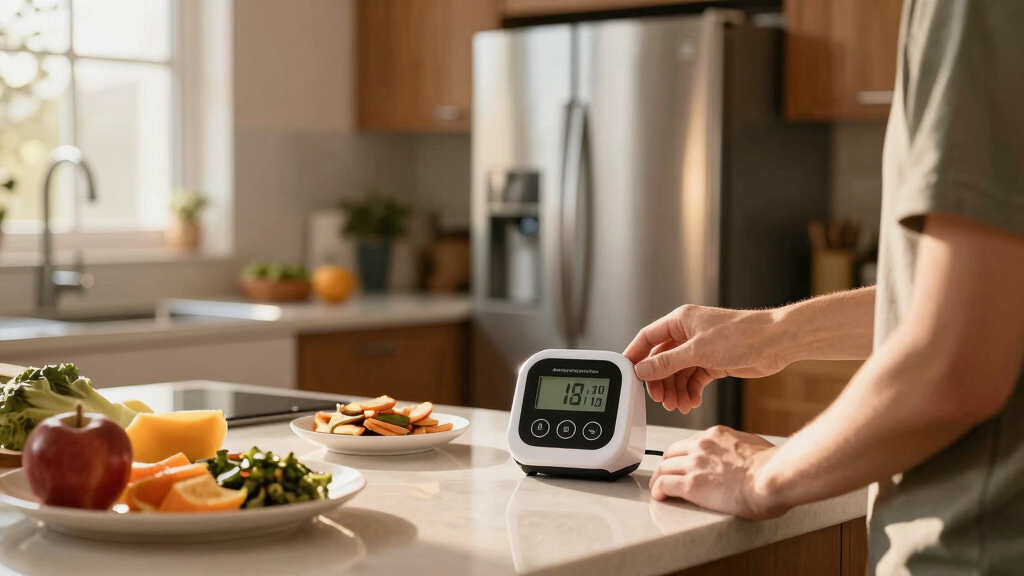

TL;DR
Tabata training uses 20 seconds of maximum effort followed by 10 seconds of rest, repeated 8 times for a total of 4 minutes. It’s a powerful, time-saving workout that improves cardiovascular health and burns fat fast, perfect for beginners willing to push their limits safely.
Imagine squeezing a full cardio workout into just 4 minutes. That’s what the 20/10 Tabata protocol promises—intense bursts of effort paired with quick breaks, all packed into a tiny time window. It’s like a shot of espresso for your fitness, quick but powerful.
If you’ve ever wondered how to get more out of your workout in less time, this guide is for you. We’ll break down the core principles, share practical tips, and show you how to safely jump into Tabata training—even if you’re just starting out.
Start slow: do fewer rounds or lower intensity at first, then increase as your fitness improves.
Use a timer app to keep your effort high during 20 seconds and rest fully for 10 seconds.
Bodyweight exercises like squats and jumping jacks are perfect for Tabata, but always listen to your body.
Limit to 2-3 sessions weekly to avoid overtraining but enjoy maximum benefits.
Remember, consistency and effort matter more than perfection—your fitness will grow faster than you think.
What Is the 20/10 Tabata Protocol and Why It Works
Tabata training is a form of high-intensity interval training (HIIT) that was developed by a Japanese researcher in the late 1990s. The secret? Short, intense efforts followed by quick rests, pushing your heart rate to near maximum.
The 20 seconds of work demand all-out effort—think sprinting, jumping, or heavy squats—followed by 10 seconds of rest. Repeat this cycle 8 times, and you’ve got a complete 4-minute workout.
This pattern taps into your body’s energy systems, boosting both aerobic and anaerobic capacity—meaning it improves your endurance and burns fat in record time. The high intensity challenges your cardiovascular system, forcing it to adapt quickly, which is why it’s so effective for rapid improvements. However, because of the demanding nature, it also requires careful attention to form and recovery to prevent overtraining or injury.
Tabata Timer
Configurable preparation, workout and rest durations
As an affiliate, we earn on qualifying purchases.
As an affiliate, we earn on qualifying purchases.
How to Do a Safe and Effective 20/10 Tabata Workout
- Choose a simple, bodyweight exercise — like jumping jacks, push-ups, or lunges. Simple movements reduce the risk of incorrect form, especially when fatigued.
- Set a timer for 20 seconds of maximum effort. Push yourself as if your fitness depends on it, but stay within your limits to avoid injury.
- Rest for 10 seconds. Use this time to breathe deeply, hydrate if needed, and prepare mentally for the next burst.
- Repeat the cycle 8 times, totaling 4 minutes. If you’re just starting, consider doing fewer rounds to build confidence and stamina gradually.
- Finish with a quick cool-down stretch to help your muscles recover and reduce soreness.
For beginners, starting with fewer rounds or lower effort helps your body adapt without excessive fatigue. Using a timer app or interval timer keeps you honest and focused. Remember, the goal is to reach near-max effort during work phases and complete full recovery during rest, but always listen to your body to prevent overexertion.

Gymboss Interval Timer and Stopwatch – Violet/Pink Metallic Gloss
Compact interval timer times one or two intervals between two seconds and 99 minutes.
As an affiliate, we earn on qualifying purchases.
As an affiliate, we earn on qualifying purchases.
Compare the 20/10 Protocol to Other HIIT Styles
| Feature | Tabata (20/10) | Traditional HIIT | Steady-State Cardio |
|---|---|---|---|
| Duration | 4 minutes | 20-30 minutes | Varies, often 30-60 mins |
| Intensity | Near-max effort | Moderate to high | Low to moderate |
| Focus | Speed and power | Endurance and calorie burn | Steady aerobic activity |
| Suitability for Beginners | Yes, with modifications | Yes, gradually | Yes |
Compared to traditional HIIT, Tabata’s quick, intense bursts give you a higher calorie burn per minute and stimulate your metabolism more rapidly. This means you can achieve comparable or greater fitness gains in less time, but it also demands a higher level of effort and focus. The tradeoff is that while you get faster results, the intensity may be challenging for beginners, so scaling appropriately is essential to avoid burnout or injury.

Stack 52 HIIT Interval Workout Game. Designed by Military Fitness Expert. Video Instructions Included. Bodyweight Exercises, No Equipment Needed. Fun and Motivating Training Program.
GET RESULTS FAST: Scientific studies show that HIIT burns fat and improves fitness more effectively than traditional workouts….
As an affiliate, we earn on qualifying purchases.
As an affiliate, we earn on qualifying purchases.
Why Beginners Should Start Slow and Build Up
Jumping into full-blown Tabata right away can feel like sprinting before you walk. The key for beginners is to start with fewer rounds or lower effort, then ramp up as your fitness improves. This gradual approach allows your cardiovascular system and muscles to adapt without overwhelming your body, reducing the risk of injury and burnout.
For example, do just 4 rounds instead of 8, or take longer rests if needed. Focus on maintaining proper form during each 20-second burst—poor form under fatigue can lead to injury. As your endurance and strength increase, you can add more rounds or increase effort levels.
This incremental progression not only safeguards your health but also builds confidence and motivation. Remember, consistency over intensity is key—by slowly increasing your workload, your body will adapt more sustainably, leading to better long-term results.
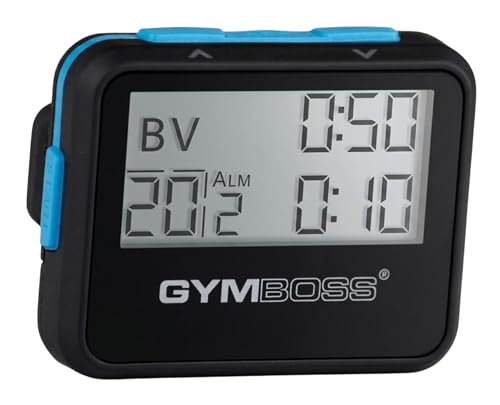
Gymboss Interval Timer and Stopwatch – Black/Blue SOFTCOAT
Compact interval timer times one or two intervals between two seconds and 99 minutes.
As an affiliate, we earn on qualifying purchases.
As an affiliate, we earn on qualifying purchases.
What Benefits Can You Expect from the 20/10 Protocol?
Expect more than just quick fat loss. Regular Tabata workouts can significantly increase your VO2 max—your body’s ability to utilize oxygen—by up to 14% in 6 weeks, according to recent studies. This improvement translates into better cardiovascular efficiency, meaning you can perform physical activities with less fatigue and recover faster.
Additionally, the high-intensity nature of Tabata triggers the afterburn effect (excess post-exercise oxygen consumption), which means your body continues to burn calories long after the workout ends. This metabolic boost enhances fat loss and overall energy expenditure. The mental challenge of pushing through 4 minutes of intense effort also fosters mental toughness, discipline, and a sense of achievement. Over time, these benefits compound, leading to noticeable improvements in endurance, strength, and mood—making it a comprehensive fitness tool.
Common Questions About the 20/10 Tabata Protocol
- Is the 20/10 protocol safe for beginners? Yes, but it’s important to start slowly. Adjust the intensity and number of rounds to match your current fitness level. Over time, as your body adapts, you can gradually increase effort and duration.
- Can I do Tabata every day? It’s better to limit sessions to 2-3 times per week, especially when starting out. This allows your muscles and cardiovascular system to recover, reducing the risk of overtraining and injury.
- What exercises work best for Tabata? Bodyweight moves like squats, push-ups, burpees, jumping jacks, and sprints are popular because they require minimal equipment and can be performed safely at high intensities.
- How do I know I’m working hard enough? Aim to push yourself to near exhaustion during each 20-second effort. Using a timer or a perceived exertion scale can help gauge your intensity and ensure you’re challenging yourself appropriately.
- Are there risks involved? High-intensity workouts are demanding and may not be suitable for everyone, especially those with underlying health conditions. Consult with a healthcare professional before starting, and listen to your body to avoid overexertion.
Conclusion
In just 4 minutes, the 20/10 Tabata protocol can transform your approach to fitness. It’s a powerful tool—if you push yourself safely and consistently, you’ll see results faster than with traditional workouts.
So grab a timer, pick your favorite move, and give it a shot. Your body (and schedule) will thank you for it.