

TL;DR
Pyramid and ladder intervals are structured timing formats that increase and decrease workout duration or intensity. They boost performance, add variety, and can be tailored to your fitness goals by gradually progressing over time.
Ever wonder why some workouts leave you feeling energized, not drained? It’s because of the way you structure your intervals. Pyramid and ladder formats are like high-intensity storytelling for your fitness journey—building up, peaking, then coming back down, or climbing higher with each step. They make your training dynamic, effective, and surprisingly fun.
If you want to break free from boring routines and challenge your body in new ways, understanding these progressive timing formats can transform your approach. You’ll learn how they work, why they’re so effective, and how to get started today.
Start with short, manageable intervals and gradually increase or decrease durations to challenge your body.
Pyramid and ladder formats add variety, which helps keep motivation high and prevents plateauing.
Always include proper rest; it’s vital for recovery and performance.
Adjust interval lengths based on your goals—sprints for speed, longer efforts for endurance.
Use technology—timers and apps—to stay precise and track progress over time.
What exactly are pyramid and ladder intervals—and why do they matter?
Pyramid and ladder intervals are structured workout formats that vary the length and/or intensity of your efforts in a specific, repeatable pattern. Think of a pyramid as climbing up and then back down a mountain—short to long and back again. A ladder, on the other hand, is like ascending a staircase in steps, then sometimes descending.
Why do these patterns matter? They introduce strategic variation into your workout, which has several benefits. First, they challenge your energy systems in different ways, promoting both speed and endurance improvements. Second, they prevent your body from adapting too quickly, which can cause plateaus and stall progress. Third, the variation keeps your mind engaged, reducing workout boredom and increasing motivation. However, there are tradeoffs—more complex patterns require better timing, focus, and awareness. If you push too hard without proper recovery, you risk fatigue, injury, or burnout. Recognizing these factors helps you tailor your training to maximize benefits while minimizing risks, ensuring sustainable progress and preventing overtraining.
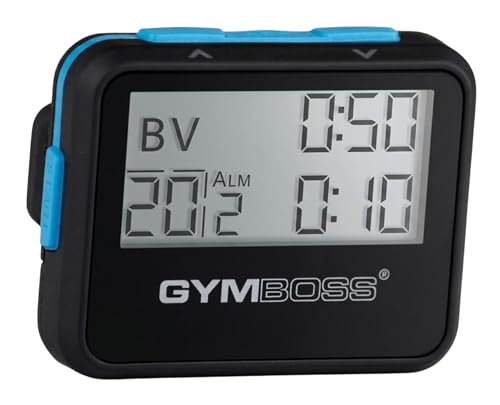
Gymboss Interval Timer and Stopwatch – Black/Blue SOFTCOAT
Compact interval timer times one or two intervals between two seconds and 99 minutes.
As an affiliate, we earn on qualifying purchases.
As an affiliate, we earn on qualifying purchases.
How pyramid and ladder intervals boost your fitness fast
Both formats challenge your energy systems differently than steady-state cardio, which maintains a constant effort level. Pyramid intervals push you through a range of durations—short sprints to longer efforts—forcing your body to adapt to fluctuating intensities. This variability enhances your ability to generate quick power bursts and sustain effort, leading to improvements in anaerobic capacity and muscular endurance. Ladder intervals, by gradually increasing the duration of efforts, help your body build stamina in a controlled, progressive manner—reducing the risk of burnout while steadily pushing your limits.
For example, if you’re training for a 5K race, pyramid workouts with 30-second sprints followed by 2-minute recoveries can sharpen your speed and recovery ability, mimicking race demands. Conversely, ladder workouts that extend from 30 seconds to 2 minutes help your body adapt to longer efforts, improving overall stamina. The key implication is that these formats target specific adaptations aligned with your goals—whether it’s explosiveness or endurance—and help develop a more resilient fitness base. They also teach your body efficient recovery strategies between efforts, which is crucial in real-world athletic performance and daily physical activities. Moreover, these varied formats can boost mental engagement by keeping workouts interesting, which is key for long-term adherence and motivation.

Crossrope AMP Smart Jump Rope Set with Interchangeable Weighted Ropes, XL
Bluetooth-connected weighted jump rope set for high-intensity interval & endurance fitness training
As an affiliate, we earn on qualifying purchases.
As an affiliate, we earn on qualifying purchases.
The nuts and bolts: How to build your own pyramid or ladder workout
Here’s a simple step-by-step process:
- Select your goal: Speed, endurance, fat loss? Clarifying your primary goal helps tailor the interval durations and intensities to produce the desired adaptations.
- Pick your durations: For beginners, start with 15-30 seconds; for more advanced athletes, 1-3 minutes. Longer intervals increase cardiovascular strain and muscular fatigue, so choose durations that challenge you without risking injury. The duration you select impacts the training effect—shorter sprints emphasize power and speed, while longer efforts build endurance. The tradeoff is that longer intervals demand more recovery and can lead to fatigue if not managed properly.
- Decide your pattern: For pyramids, go up in duration or intensity and then back down, creating a mountain shape. For ladders, keep increasing or decreasing durations step-by-step. The pattern should align with your goals and current fitness level. Different patterns stimulate different physiological responses—pyramids are great for balanced development, while ladders focus on progressive endurance building.
- Set rest intervals: Rest periods are crucial—they allow recovery and preparation for the next effort. Typically, rest equals or is half of your work time, but adjusting this based on your capacity can optimize training. Shorter rest increases intensity but also fatigue, so balance is key to avoid overtraining.
- Choose your exercises: Sprints, rowing, burpees—select movements that target your goals and can be performed with good form within your chosen durations. Mixing different exercises can also boost engagement and overall conditioning, but ensure proper technique to prevent injury.
For example, a simple pyramid workout could be 30 sec sprint, 30 sec rest, 1 min sprint, 1 min rest, 2 min sprint, then back down. A ladder might be 30 sec, 45 sec, 1 min, then back down in reverse. Adjust these based on your fitness level and equipment availability. Remember, the choices you make here influence the effectiveness and safety of your workout, so plan thoughtfully and listen to your body as you progress.

Combat Sports Pyramid Interval Timer
Lights that provide visual cues
As an affiliate, we earn on qualifying purchases.
As an affiliate, we earn on qualifying purchases.
Compare pyramid vs. ladder: Which one suits you best?
| Feature | Pyramid Intervals |
|---|---|
| Shape | Ascend then descend in durations or intensity |
| Best for | Varied effort, balancing high-intensity bursts with recovery, promoting both speed and endurance |
| Example | 30 sec, 1 min, 2 min, then back down |

PULIVIA Sports Stopwatch Timer, Single Lap Split Digital Stop Watch for Sports Kids Coaches Swimming Running, Black
LARGE DISPLAY — Large and clear digit display, easy to read.
As an affiliate, we earn on qualifying purchases.
As an affiliate, we earn on qualifying purchases.
When and how often should you use pyramid and ladder intervals?
Integrate these formats into your routine 1-3 times weekly, depending on your fitness level and goals. They serve as effective tools for high-intensity training days, endurance building, or active recovery sessions. Overusing them without proper recovery can lead to overtraining, fatigue, or injury. The tradeoff is that frequent high-intensity work can tax your nervous system and muscles, potentially diminishing performance if not balanced with adequate rest and lower-intensity days. Therefore, strategic scheduling—alternating with lighter workouts—maximizes gains while minimizing burnout and injury risk. Recognizing your body’s signals and adjusting frequency accordingly is key to sustainable progress.
For example, if you train three times a week, dedicate one session to pyramid intervals to maximize speed, another for ladder workouts to enhance stamina, and keep the third for steady-state or active recovery. This variation ensures comprehensive development while allowing your body to recover adequately, which is essential for consistent improvement and injury prevention.
What are some common pitfalls, and how to avoid them?
Overdoing it is tempting—pushing too hard or extending intervals excessively can lead to burnout, injury, or diminished returns. The key is to listen to your body and recognize signs of fatigue. Starting with shorter, manageable intervals allows your body to adapt progressively. Ignoring recovery needs or neglecting proper warm-up can also impair performance and increase injury risk. Always prioritize quality over quantity, and ensure adequate rest and hydration between efforts.
For example, beginners might start with 15 seconds of work and 30 seconds of rest, gradually increasing durations as stamina improves. Incorporating proper technique and not rushing increases safety and effectiveness. Remember, consistency and proper recovery are more beneficial than pushing through pain or fatigue. If you notice persistent soreness or fatigue, scale back and give your body time to adapt—this prevents setbacks and ensures long-term progress.
Make your workouts pop with real-world examples
Imagine you’re training for a 10K. You can incorporate pyramid intervals by doing 30 seconds, 1 minute, 2 minutes sprints, then descending back down, which mimics race pace variations and prepares your body for different effort levels. Alternatively, a ladder from 30 seconds up to 2 minutes can build endurance gradually, simulating longer sustained efforts. Using your favorite cardio—running, cycling, rowing—and tweaking durations to match your current fitness level ensures practical applicability.
For instance, at the gym, a client might do 20 seconds of burpees, rest 20 seconds, then 40 seconds, resting 20, then a minute, and then back down. These real-world tweaks make workouts engaging and tailored, helping you stay motivated and progressing steadily. Incorporating such variation not only keeps workouts interesting but also ensures you target different energy systems, leading to more balanced fitness improvements.
Frequently Asked Questions
Are pyramid and ladder intervals suitable for beginners?
Yes, but start with shorter, less intense intervals like 15-20 seconds. Focus on maintaining good form and gradually increase durations as your fitness improves.
Can I combine pyramid and ladder formats in one workout?
Absolutely. Mixing formats keeps things fresh and challenges different energy systems. For example, start with a ladder, then finish with a pyramid for variety.
How do I know if I’m pushing too hard?
Listen to your body. You should feel challenged but not exhausted. If you’re gasping or losing form, cut back or rest longer. Remember, quality beats quantity.
What equipment do I need for pyramid and ladder intervals?
Mostly just a timer or stopwatch. You can do these with running, cycling, rowing, or even bodyweight moves like jumping jacks or burpees—whatever fits your goal.
How do I track progress over time?
Use a workout journal, app, or timer to record durations, intensities, and how you feel. Over weeks, you’ll notice improvements in stamina, speed, and recovery.
Conclusion
Pyramid and ladder intervals turn a mundane workout into a dynamic challenge that adapts to your progress. They keep your body guessing, your mind engaged, and your results coming faster.
So grab a timer, pick your pattern, and climb or build your way to better fitness. Your future self will thank you for it.