
TL;DR

Get kitchen gear delivered free with Prime
- Fast, free delivery on millions of items
- Prime Video, Amazon Music and more included
- Member-only deals all year
A simple salad dressing recipe has become a viral favorite among home cooks for its quick preparation and great flavor. The recipe is now memorized by many, reflecting its popularity and ease of use.
A simple salad dressing recipe has become a viral sensation among home cooks, with many claiming to have memorized it due to its flavor and ease of preparation. The recipe’s popularity reflects a growing trend toward quick, homemade meals that don’t sacrifice taste. This development matters because it encourages more people to prepare salads at home, potentially improving dietary habits and reducing reliance on store-bought dressings.
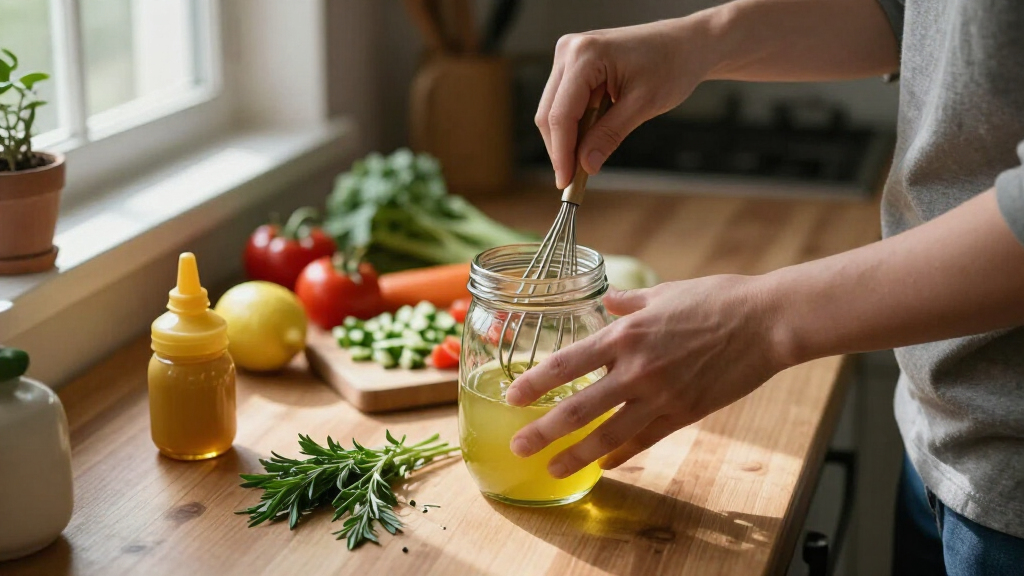
The recipe, which combines basic ingredients like olive oil, vinegar, Dijon mustard, honey, salt, and pepper, has circulated widely on social media, with users sharing their experiences and variations. According to several food bloggers and home cooks, the recipe is so straightforward that it can be memorized after a few uses, making it a go-to for quick salads. The recipe’s simplicity and flavor have contributed to its viral spread, with many noting that it elevates even simple greens into a flavorful meal.
Food enthusiasts on platforms like TikTok and Instagram have posted videos demonstrating how they memorize and whip up the dressing in seconds. Some users claim that memorizing this recipe has improved their confidence in making healthy meals at home. The recipe’s core ingredients are common pantry staples, which further explains its rapid adoption and memorization. Experts suggest that recipes that are easy to remember and replicate tend to become household staples, especially in busy households.
Why the Recipe’s Popularity Matters for Home Cooking
The widespread memorization and use of this salad dressing recipe highlight a broader trend toward simple, accessible recipes that empower home cooks. It underscores how minimal ingredients and ease of preparation can boost confidence and encourage healthier eating habits. For many, having a go-to dressing that can be memorized reduces reliance on pre-made or store-bought options, which often contain preservatives and additives. The recipe’s popularity could inspire more people to experiment with homemade dressings, leading to better nutritional choices and more control over ingredients.
As an affiliate, we earn on qualifying purchases.
Background on Easy Salad Dressings and Recent Trends
Salad dressings have long varied from complex vinaigrettes to creamy, store-bought options. Recently, there has been a shift toward simpler, more natural recipes promoted through social media and food blogs. The trend reflects a desire for quick, healthy, and customizable meal components. The current popularity of this particular recipe aligns with these trends, as it combines minimal ingredients with maximum flavor. It also follows a larger movement toward home cooking, especially during times when people seek convenient ways to prepare nutritious meals at home.
Prior to this viral surge, similar recipes existed but were less widely shared or memorized. The current wave of sharing appears driven by social media influencers and food enthusiasts who emphasize ease and flavor. The recipe’s simplicity makes it particularly appealing, as it can be adapted to personal tastes and dietary needs.
As an affiliate, we earn on qualifying purchases.
While the recipe’s popularity is evident on social media, it is not yet clear how widespread its use is across different demographics or whether it has led to measurable changes in eating habits. It is also uncertain whether variations of the recipe will emerge that could rival the original in popularity. Additionally, the long-term impact of memorized recipes on home cooking confidence remains to be studied.
As an affiliate, we earn on qualifying purchases.
Next Steps for the Recipe’s Adoption and Influence
Food influencers and home cooks are expected to continue sharing their variations and tips for memorizing the recipe. Culinary experts may analyze its impact on home cooking habits, and recipe creators might develop similar quick, memorable recipes. As the recipe gains more recognition, it could inspire a broader movement toward simple, homemade dressings and meals, especially among busy households seeking quick yet flavorful options.
As an affiliate, we earn on qualifying purchases.
Key Questions
What are the ingredients of the salad dressing?
The core ingredients include olive oil, vinegar, Dijon mustard, honey, salt, and pepper. Variations may include herbs or different types of vinegar.
How long does it take to memorize the recipe?
Most users report that they can memorize the recipe after making it a few times, typically within a couple of days of repeated use.
Can I customize the recipe?
Yes, the recipe is highly adaptable. You can add herbs, adjust the sweetness or acidity, or substitute ingredients to suit your taste.
Will this recipe work for all types of salads?
Generally, yes. It pairs well with leafy greens, vegetables, and even grain salads, making it versatile for different dishes.
Is memorizing this recipe better than using store-bought dressings?
Many find that homemade dressings are fresher and free of preservatives. Memorizing a simple recipe encourages home cooking and healthier choices.
Source: rss
Fall Picks
fall essentials
As an affiliate, we earn on qualifying purchases.