TL;DR

Get kitchen gear delivered free with Prime
- Fast, free delivery on millions of items
- Prime Video, Amazon Music and more included
- Member-only deals all year
Sous vide cooking hinges on controlling water temperature and time. Knowing the right combo ensures food safety and perfect texture, making home cooking more reliable and delicious.
Ever wonder how some chefs get steak perfectly pink from edge to edge or carrots tender enough to melt on your tongue? It’s all about the magic of sous vide. This method uses precise temperature control to cook food evenly, with less fuss and more flavor. But for beginners, the questions often start with: how long? At what temperature? This guide breaks down the essentials in a straightforward way, so you can start cooking confidently without second-guessing.
Whether you’re tackling your first chicken breast or experimenting with veggies, understanding the basic timing and temperature principles will transform your kitchen. Think of sous vide as the ultimate way to tame the chaos of traditional cooking—delivering consistent results every time. Ready to master the art of slow, precise cooking? Let’s get into the details.
Temperature and time are inseparable in sous vide; correct combo guarantees safety and desired texture.
Start with simple recipes—like chicken or steak—using recommended temps and times for best results.
Longer cook times soften tough cuts, turning them tender and shreddable, perfect for pulled meats.
Use a reliable water circulator and proper bags to ensure even cooking and safety.
Finish with a quick sear or broil to develop flavor and texture after sous vide cooking.
What is sous vide, and why does temperature matter?
Sous vide is a cooking method where food is sealed in a bag and immersed in a water bath kept at a very specific temperature. This allows the food to cook evenly without overcooking, from edge to center. For example, a steak cooked at 130°F (54°C) stays juicy, tender, and medium-rare throughout.
Temperature controls the final texture and safety of your food. Cooking chicken at 140°F (60°C) for 1-2 hours kills bacteria while keeping the meat moist. Think of temperature as your cooking’s thermostat—set it right, and the results follow naturally.
Understanding why temperature precision is vital helps you appreciate its impact: too high, and you risk overcooking or drying out your food; too low, and you might not achieve the desired doneness or risk safety issues. The key is that each food has an optimal temperature that balances doneness, texture, and safety, and slight deviations can significantly alter the outcome. This is why precise temperature control, often with a good circulator, is essential in sous vide cooking.
As an affiliate, we earn on qualifying purchases.
How to pick the perfect temperature for your dish
Choosing the right temperature depends on what you’re cooking and how you want it to turn out. Here’s a quick rundown:
| Food Type | Desired Doneness | Temperature Range |
|---|---|---|
| Steak | Medium-rare | 129-134°F (54-57°C) |
| Chicken breast | Juicy, fully cooked | 140°F (60°C) |
| Salmon | Flaky, tender | 122-125°F (50-52°C) |
| Vegetables | Crisp-tender | 180-185°F (82-85°C) |
For example, if you want a medium-rare steak, set your water bath to around 130°F. Your meat will stay perfectly pink and tender, even after hours. However, it’s important to remember that temperature influences not only doneness but also safety and texture. Cooking at too low a temperature might produce a tender interior but could leave pathogens alive if the time isn’t sufficient. Conversely, higher temperatures can speed up safety and texture goals but risk overcooking delicate proteins or vegetables if not carefully monitored. The tradeoff is in balancing these factors to suit your desired outcome—precision in temperature ensures you get that perfect balance without sacrificing safety or quality.
Tip: Use a trusted sous vide guide or recipe to match temp to your preferred doneness, and always consider the food’s thickness and density, which also influence the ideal temperature and cooking time.
As an affiliate, we earn on qualifying purchases.
How long should you cook different foods? The simple guide
Time is your friend in sous vide. It’s not just about safety but also texture. Here’s a quick list to get you started:
- Steak: 1-4 hours at 129-134°F (54-57°C)
- Chicken breasts: 1-2 hours at 140°F (60°C)
- Salmon: 30-45 minutes at 122-125°F (50-52°C)
- Carrots: 1-2 hours at 180°F (82°C)
- Beef roast: 12-48 hours at 131°F (55°C) for tender, shreddable meat
Longer cooking times allow tougher cuts to break down connective tissues and fibers, transforming them into tender, easily shreddable textures. For example, slow-cooking a beef brisket for 24-48 hours results in a melt-in-your-mouth texture that’s impossible with traditional methods in a shorter period. The tradeoff is that extended times can sometimes lead to overly soft or mushy textures if not carefully managed. Therefore, understanding the desired final texture and choosing appropriate times is crucial for achieving the best results. For delicate proteins like fish, shorter times prevent overcooking and preserve freshness, while tougher cuts benefit from longer durations to unlock their full tenderness potential.
Pro tip: For juicy steaks, a 2-hour cook at 130°F balances tenderness with safety. Longer times won’t necessarily harm the meat but might alter the texture slightly—sometimes for the better, sometimes not, so adjusting based on your preference is key.
As an affiliate, we earn on qualifying purchases.
Food safety: How to cook sous vide without worries
Food safety in sous vide boils down to temperature and time. Cooking chicken at 140°F (60°C) for at least 1 hour kills pathogens, ensuring you get a safe, tender piece every time.
Always follow recommended minimum times. For example, cooking eggs at 167°F (75°C) for 13 minutes produces a custard-like yolk, while shorter times risk undercooking. Use a reliable chart or recipe to pick the right combo. Remember, the combination of temperature and time is what ensures pathogen destruction—longer times at slightly lower temps can achieve the same safety as higher temps but require patience and precision. Skipping or shortening these times can leave harmful bacteria alive, risking foodborne illness. Therefore, understanding the science behind these parameters helps you make informed decisions and avoid unsafe practices.
Warning: If you’re dealing with vulnerable populations—pregnant women, elderly, or immunocompromised—stick to higher temps and longer cooking times for safety, as their immune systems are less resilient.
Remember: Proper sealing and water temperature stability matter. Use a quality circulator to maintain even heat and avoid contamination. Regularly check your equipment and follow manufacturer instructions to ensure consistent, safe results.
As an affiliate, we earn on qualifying purchases.
What equipment do you really need to get started?
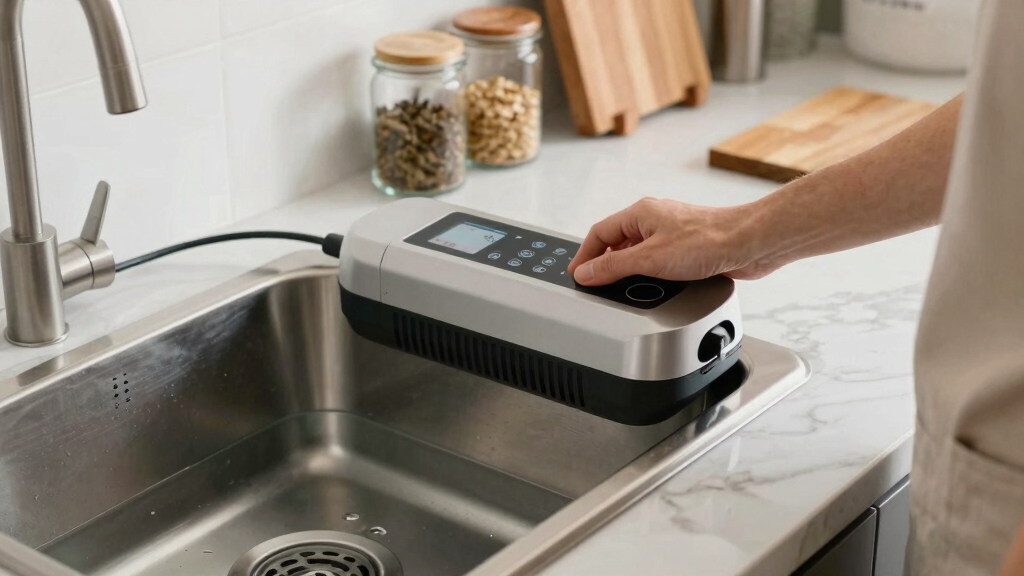
All you need is a precision immersion circulator, some sturdy bags, and a water container. A good circulator heats and stirs the water evenly, keeping your temp steady. Think of it as the heart of your sous vide setup.
For bags, vacuum-sealed is best, but heavy-duty zip-top bags with the water displacement method work fine for beginners. Just make sure they’re heat-safe and sealed well.
Example: Many home cooks use a large stockpot or a dedicated sous vide container, plus a clip or rack to keep bags submerged. It’s simple, effective, and affordable.
Safety tip: Always unplug and turn off your equipment before handling hot water or bags. Follow safety procedures for electrical appliances and avoid leaks or spills.
Investing in a reliable water circulator and quality bags ensures consistent results and reduces the risk of food safety issues or equipment failures. While you can start with basic equipment, upgrading as you gain experience can improve precision and ease of use, making your sous vide journey more enjoyable and successful.
Common beginner questions (and simple answers)
Q1: How do I choose the right temperature?
A: Follow trusted recipes or guides that specify the ideal temp for each food type and doneness level. It’s your best bet for consistent results.
Q2: Is sous vide safe?
A: Yes, when you follow recommended times and temperatures, it’s safe. Proper sealing and equipment matter too.
Q3: How long can I leave food in the bath?
A: Generally, a few hours beyond the recommended time won’t harm, but don’t go too long—especially with delicate proteins—because textures can change. Overcooking or extended immersion can lead to mushy textures or loss of desired doneness, so understanding the limits helps you maintain quality.
Q4: Can I cook multiple items at once?
A: Yes, as long as your water bath can maintain a steady temperature and all items fit comfortably. Just ensure they’re sealed properly to prevent cross-contamination and flavor mixing.
Q5: What’s a good first recipe?
A: Start with simple chicken breasts, steaks, or salmon. They’re forgiving, quick, and delicious.
Conclusion
Mastering sous vide is about understanding that precision in time and temperature transforms ordinary ingredients into extraordinary dishes. It’s a straightforward path to consistent results, whether you’re cooking a perfect steak or tender vegetables.
Remember, patience and a good thermometer are your best friends. As you get comfortable, sous vide will become your secret weapon for reliable, mouthwatering meals—no more guesswork, just great food every time.
Halloween Picks
halloween
As an affiliate, we earn on qualifying purchases.