TL;DR

Get kitchen gear delivered free with Prime
- Fast, free delivery on millions of items
- Prime Video, Amazon Music and more included
- Member-only deals all year
Mostaccioli are diamond-shaped cookies made in several Italian regions, with recipes that differ by location. La Cucina Italiana’s report describes the Molise version, made with nuts, citrus, spices and cooked grape must, then coated in chocolate; the cookies’ ancient antecedents are associated with Roman references to mustacei.
La Cucina Italiana’s report describes Molise mostaccioli as diamond-shaped cookies made with nuts, citrus zest, spices and cooked grape must, then finished with a chocolate coating. The account places the cookies within a broader Italian tradition shared by several regions, while noting that the precise birthplace of mostaccioli is disputed.
For the Molise recipe, the dry base combines chopped almonds and hazelnuts with flour, cocoa and sugar. Honey, cinnamon, cloves and the zest of mandarin, orange and lemon supply sweetness and aromatic flavor, according to La Cucina Italiana. The mixture also includes eggs, coffee, vegetable oil and cooked grape must.
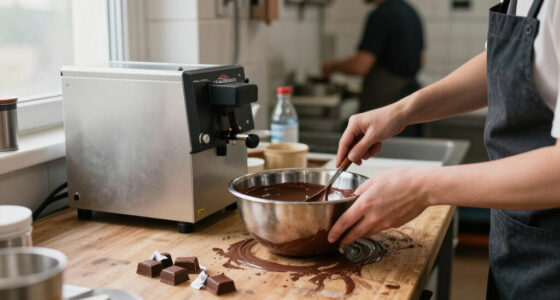
The dough is cut into diamond shapes and baked in an oven. Once baked, the cookies are coated in chocolate. The report presents that coating, along with the citrus aromas and spice blend, as features of the Molise version; it does not provide quantities, baking temperature or cooking time in the supplied material.
Mostaccioli are popular in Puglia, Sardinia, Calabria, Sicily, Lazio, Campania, Abruzzo, Molise and Lombardy, the report says. Recipes vary by region, and the article does not suggest that the Molise preparation represents every version of the cookie.
How Regional Recipes Differ
The recipe highlights how a familiar name can encompass distinct local preparations. Readers looking for mostaccioli may find different ingredients and finishes depending on the region: La Cucina Italiana’s Molise account centers on nuts, citrus, spices, cooked grape must and chocolate, rather than presenting one universal formula.
The report also connects a seasonal or traditional food to a longer culinary record. That link adds historical interest, but it does not establish that today’s Molise cookies are made exactly as ancient Roman baked goods were. For cooks, the practical takeaway is that regional identity matters: this recipe is specifically described as Molise-style, and its flavor comes from the combination of grape must, aromatics and chocolate.
Products Worth Considering

EGO Power+ 16 Cordless Chainsaw (CS1611) with 56V 2.5Ah Battery and Charger

WORX WG583 40V 3-in-1 Cordless Leaf Blower, Vacuum, and Mulcher

EGO Power+ 21” Self-Propelled Electric Lawn Mower with Touch Drive, 56V Battery & Rapid Charger
As an affiliate, we earn on qualifying purchases.
From Roman Mustacei to Mostaccioli
La Cucina Italiana says several regions claim a connection to the origins of mostaccioli, so the cookies’ birthplace remains unsettled in the report. Their name is thought to derive from cooked grape must, an ingredient used in some preparations. The article traces possible ancestors to Roman times, while presenting that link as a historical association rather than proof of an unchanged recipe.
The report cites mustacei in Cato’s *De Agri Cultura*. In the passage summarized by the article, Cato describes mixing flour with must, anise, cumin, fat and cheese, shaping the dough and baking it on bay leaves. The ingredients and method differ from the Molise recipe described today, which includes nuts, cocoa, citrus, honey and a chocolate coating. The ancient reference therefore provides useful background, not confirmation that the two foods are identical.
What the Historical Link Establishes
The report does not identify a settled birthplace for mostaccioli; it says several Italian regions vie for that distinction. Nor does it establish a continuous, documented line from Cato’s mustacei to the modern cookies. The name’s connection to cooked grape must is presented as a belief, not a confirmed explanation.
The supplied article also gives no exact measurements or baking instructions for the Molise recipe. It identifies the ingredients and the main preparation steps, but details such as proportions, oven temperature, baking duration and the kind of chocolate used are not specified here. Those gaps mean the report works as an account of the recipe’s character, rather than a complete, tested cooking guide.
More Detail for Home Bakers
The supplied report does not announce a future event or provide a dated follow-up. Readers seeking to make the cookies will need the full recipe for quantities and oven directions; the information here confirms the core ingredients and sequence—mix the dough, shape it into diamonds, bake, then coat with chocolate—but not the precise timings or proportions.
Further reporting could clarify how Molise recipes differ from those in other regions, and what evidence supports the proposed relationship between mustacei and mostaccioli. For now, the confirmed account is limited to the regional ingredients and method described by La Cucina Italiana, alongside its qualified notes on the name and ancient history.
Key Questions
What are mostaccioli?
Mostaccioli are traditional diamond-shaped cookies made in several Italian regions. Ingredients and finishes vary by local recipe.
What is in the Molise version?
La Cucina Italiana describes a dough with almonds, hazelnuts, flour, cocoa, sugar, honey, spices, citrus zest, eggs, coffee, vegetable oil and cooked grape must. The baked cookies are coated in chocolate.
Where are mostaccioli popular?
The report names Puglia, Sardinia, Calabria, Sicily, Lazio, Campania, Abruzzo, Molise and Lombardy. It does not identify a single agreed birthplace.
Are mostaccioli proven to date back to Roman times?
The report points to Roman-era mustacei described in Cato’s *De Agri Cultura* as possible ancestors. It does not establish that the ancient food and modern mostaccioli are the same recipe or that an uninterrupted history connects them.
Why are they called mostaccioli?
The name is thought to come from cooked grape must, an ingredient in some versions. The supplied report describes this as a proposed explanation, not a settled fact.
Source: lacucinaitaliana.it