
TL;DR
Gym wall clocks are ideal for keeping everyone on the same schedule in a group setting, while personal interval timers excel at precise, customizable workout segments. The best choice depends on your workout style, gym size, and budget.
Imagine your gym, all the members glancing at a giant, clear clock, everyone in sync. Or picture a personal timer vibrating in your hand as you hit your interval perfectly—no distractions. The choice between gym wall clocks and personal interval timers isn’t just about gadgets; it shapes how effectively you train. This guide cuts through the confusion, showing you exactly which tool matches your workout style and why it matters.
You’ll discover how each device functions, recent technological upgrades, and practical tips to make your workouts smoother. Whether you lift in a crowded gym or sweat solo at home, picking the right timer can boost your focus and results.
Choose a wall clock for visibility and group synchronization in busy gyms.
Use personal interval timers for precise, customizable workout segments—especially during HIIT or circuits.
Recent tech advances include smart clocks with synchronization and app-controlled timers with detailed data tracking.
For small gyms or home use, personal timers often provide better flexibility and value.
Using both tools together can maximize workout efficiency and clarity.
What Do Gym Wall Clocks and Personal Timers Actually Do? Here’s the Real Difference
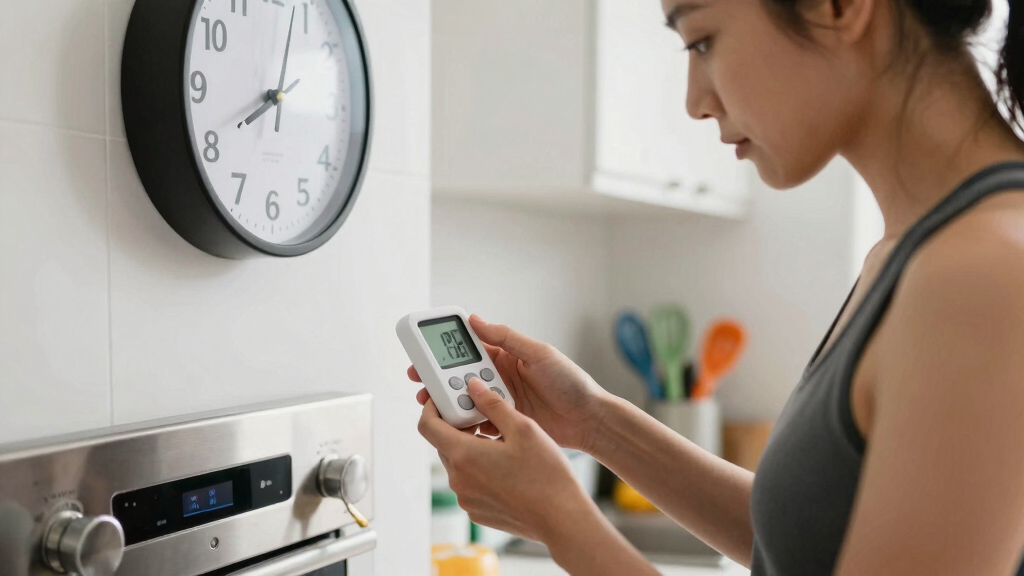
Gym wall clocks are fixed, large displays designed to be seen across the workout floor. They keep everyone on the same schedule—rest, work, repeat—without fuss. This shared timing fosters a sense of unity and discipline, especially in group settings. However, they lack flexibility for individual routines, which can lead to confusion if members have different workout paces or need precise timing for complex exercises.
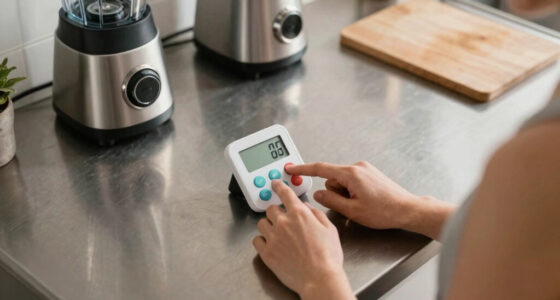
Personal interval timers, on the other hand, are handheld or portable devices tailored for your specific routine. They beep, vibrate, and can be programmed with multiple intervals, making them perfect for HIIT or circuit training. Their flexibility means you can customize each workout segment to match your goals, but this also requires a bit more setup and attention during exercise. The key tradeoff is between simplicity and control—wall clocks promote uniformity, while timers offer precision tailored to individual needs. Understanding these differences helps you decide which approach aligns with your training philosophy and environment, whether it’s a structured class or independent workouts.

17.2"Large Digital Wall Clock Large Display with Remote Control 180°Visible
1. 17.2 Inch Extra Large HD LED Display with Auto Dimming: CYMHCHL large digital wall clock have HD…
As an affiliate, we earn on qualifying purchases.
As an affiliate, we earn on qualifying purchases.
Which Is Better for Group Workouts? Wall Clocks or Timers?
In group workouts, wall clocks are invaluable because they provide a universal visual cue that everyone can see, ensuring that the entire class stays synchronized. This shared reference point reduces confusion, encourages camaraderie, and maintains a steady flow, especially during routines like circuits or boot camps where timing is crucial. The implication is that group cohesion benefits significantly from a common clock, but it also assumes that all participants are working at similar paces.
However, if your class involves complex or varied intervals—such as alternating sprints, strength stations, and active recovery—personal timers become essential. They allow each participant to stick precisely to their own plan, regardless of the group’s overall pace. This flexibility minimizes the risk of lagging behind or rushing ahead, which can compromise workout quality and safety. Recent technological trends, like smart clocks that sync across the gym and display workout stats, blur the line—these innovations aim to combine the benefits of group synchronization with individual precision. The choice depends on whether your priority is unity or personalized control, and understanding this tradeoff helps optimize your training environment.
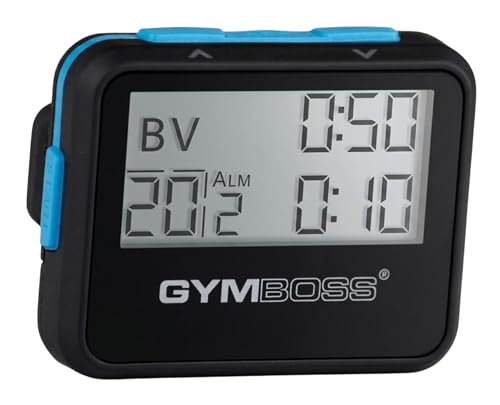
Gymboss Interval Timer and Stopwatch – Black/Blue SOFTCOAT
Compact interval timer times one or two intervals between two seconds and 99 minutes.
As an affiliate, we earn on qualifying purchases.
As an affiliate, we earn on qualifying purchases.
Features That Make a Difference: How To Pick Your Perfect Timer
- Visibility: Large, clear display for wall clocks ensures easy reading from across the room, which is crucial in a busy gym environment. For timers, portability and a screen that’s easy to read at arm’s length matter because quick glances should provide immediate feedback without disrupting the workout flow.
- Customization: Basic clocks simply show the time, but advanced personal timers offer multiple interval settings, sound/vibration alerts, and routines that can be tailored for different exercises. This customization allows for more precise control, which can translate into better workout adherence and outcomes, especially in high-intensity or complex routines.
- Ease of Use: Wall clocks are typically set once and require little maintenance, making them ideal for environments where simplicity is valued. Personal timers may need initial programming but offer the flexibility to adapt on the fly, which is critical when routines change or personal adjustments are needed during a session.
- Connectivity: Smart clocks that sync via Wi-Fi can update automatically, reducing manual adjustments and ensuring accuracy. Personal timers connected via Bluetooth or app allow for detailed programming and remote control, offering a higher level of precision and convenience—especially useful for trainers managing multiple routines.
- Cost and Maintenance: Wall clocks are generally low-cost, durable, and require minimal upkeep, making them suitable for high-traffic gyms. Personal timers range from simple, affordable models to advanced units with multiple features, allowing you to choose based on your budget and needs. When considering tradeoffs, investing in a feature-rich timer can provide long-term value if your routines demand it.
For example, if you run a high-intensity interval class that involves quick changes and multiple routines, a timer with customizable intervals, sound alerts, and easy programming becomes invaluable. The ability to adapt quickly and reliably can significantly enhance workout quality and safety, making the investment worthwhile.

Gym Timer Clock Bluetooth App Controlled Magnetic Workout Interval Timer, Home Large LED Digital Display, Countdown Clock for Score Crossfit, Tabata, HIIT, EMOM, Boxing (Black)
Smart Bluetooth Gym Timer with App Control – Faster Setup & Smarter Training. Connect this Bluetooth gym timer…
As an affiliate, we earn on qualifying purchases.
As an affiliate, we earn on qualifying purchases.
What Are the Latest Tech Trends in Gym Timing Devices?
Smart gym clocks now sync across multiple units via Wi-Fi, automatically update time, and can even display workout metrics like calories burned or heart rate, integrating seamlessly into modern fitness environments. This interconnectedness ensures consistency across large spaces and reduces manual adjustments, which is critical for maintaining accurate timing during busy sessions. The implications are significant: gyms can automate synchronization, reduce errors, and provide real-time feedback that motivates members and improves workout quality.
Personal timers have evolved into app-controlled devices, allowing users to set complex routines, save favorite programs, and link with wearable devices for real-time feedback. Bluetooth-enabled timers can connect to smartphones, enabling remote control and detailed data tracking—features that enhance precision and personalization. The integration of these technologies means workouts can be tailored more effectively, and trainers can monitor progress remotely, adding a new layer of efficiency and engagement.
A growing trend is hybrid systems—gyms combining synchronized clocks with individual timers—offering maximum flexibility and precision. This approach recognizes that different training scenarios benefit from both shared timing and individual control, providing a versatile environment that adapts to various workout styles and needs.
Gymboss Interval Timer and Stopwatch – Black/Blue SOFTCOAT
Compact interval timer times one or two intervals between two seconds and 99 minutes.
As an affiliate, we earn on qualifying purchases.
As an affiliate, we earn on qualifying purchases.
Which Will Save You Money and Hassle? The Practical Pick
Wall clocks are typically more affordable upfront and require minimal maintenance—set it once, and it continues to serve reliably over time. This simplicity is advantageous in large gyms or spaces where group timing is paramount, reducing the need for ongoing adjustments and technical support. The tradeoff is that they lack the flexibility for individual routines, which might limit their usefulness in more dynamic training environments.
Personal timers, though often more expensive initially, offer tailored features that help prevent over- or under-intervals, reducing wasted time and potential workout errors. Their ability to be customized and controlled remotely can streamline sessions, especially when routines are complex or frequently changing. For small gyms or home workouts, this flexibility can translate into better adherence and results, justifying the investment.
For example, a small CrossFit gym invested in multiple smart clocks for general timing but still relied on personal timers for complex WODs. This hybrid approach minimized downtime and maximized precision, illustrating how balancing upfront costs with functional needs can optimize overall efficiency and satisfaction.
Which One Works Best for Your Workout Style? Make the Call
If you prefer simple routines, a sturdy wall clock might be enough. Think about large, easy-to-see displays in your garage gym. But if your workouts are packed with timed intervals—like Tabata or circuit training—personal timers give you the precision you need to stay on track and optimize performance.
Consider your environment:
- Large group, minimal complexity? Wall clock—its simplicity promotes synchronization and ease of use.
- Small group or solo with complex routines? Personal timer—its customization ensures your intervals are accurate, reducing the chance of errors.
Remember, both tools can work together. Some gyms use synchronized clocks for general timing and personal timers for workout specifics, combining the benefits of group cohesion with individual precision. This integrated approach can elevate your training efficiency by ensuring everyone is on the same page while accommodating personal needs.
Frequently Asked Questions
Can I use my smartphone as a timer?
Yes, many smartphone apps offer interval timing features. However, dedicated timers are often more reliable during intense workouts, free from distractions and accidental touches.Are smart gym clocks worth the investment?
If your gym emphasizes tech integration and synchronized timing, smart clocks can streamline operations and improve workout flow. For casual or home use, basic models usually suffice.Which is better for high-intensity interval training?
Personal interval timers are typically more effective for HIIT because they allow precise control over multiple, customizable intervals—keeping your workout sharp and on schedule.What should I prioritize—cost or features?
Start with your workout needs. Basic wall clocks are budget-friendly and reliable. If you need complex routines or detailed data, investing in a feature-rich timer pays off over time.Can I combine both tools?
Absolutely. Using a wall clock for general pacing and a personal timer for detailed intervals gives you the best of both worlds—simplicity and precision.Conclusion
Ultimately, the best timing tool depends on your workout style and environment. If your goal is clear, synchronized sessions, a wall clock is your trusty partner. For personalized, complex routines, a personal interval timer unlocks precision and control.
Think about your space, your goals, and your budget. Then choose the device that keeps your focus sharp and your results coming. Because when timing works, your workouts do too—simple, effective, and just right.