
TL;DR

Get kitchen gear delivered free with Prime
- Fast, free delivery on millions of items
- Prime Video, Amazon Music and more included
- Member-only deals all year
Vibrating wristband timers provide silent, customizable cues that help runners maintain pace without noise or checking watches. They’re accurate, easy to use, and grow more advanced as tech improves, making them ideal for all levels of runners.
Ever tried running with music blaring or an old-school beeper that distracts more than helps? Silent pacing devices like vibrating wristbands change that. They whisper cues directly to your wrist, keeping you on track without a single sound.
If you’ve ever felt annoyed by audible alarms or distracted by constantly checking your watch, a vibrating timer could be your new best friend. This guide breaks down everything you need to know—how they work, what to look for, and how to get the most out of them during your next run.
Vibrating wristbands offer silent, customizable cues that help maintain consistent pace without distraction.
They combine GPS, accelerometers, and Bluetooth technology for high accuracy and easy setup.
Proper testing and personalization maximize their effectiveness during training and races.
Advanced models include heart rate monitoring and longer battery life, catering to serious runners.
Syncing with fitness apps enhances post-run analysis and goal setting.
Why Silent Pacing Changes the Running Game
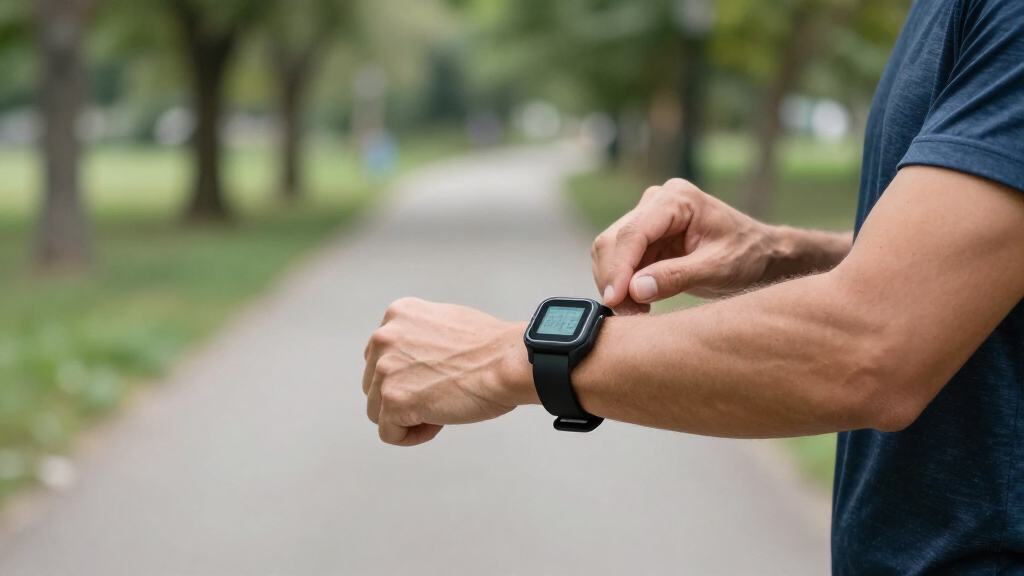
Silent pacing with vibrating wristbands lets you stay focused on your run. No loud beeps or voice prompts—just gentle vibrations that tell you when to speed up or slow down. Imagine running through a peaceful park at dawn, feeling only the cool breeze, while your wrist buzzes softly to keep your pace steady. It’s discreet, less distracting, and perfect for crowded races or early mornings.
Think about a race where the noise from other runners’ headphones or announcers could throw you off. A vibrating timer keeps you glued to your rhythm, without adding noise pollution. It’s like having a personal coach whispering in your ear—without the words.
Beyond convenience, silent pacing devices also promote better focus. They reduce mental clutter, allowing runners to tune into their body’s signals and environment. This heightened awareness can lead to improved running form and efficiency. However, there are tradeoffs—some runners might find the vibrations less noticeable in noisy or windy conditions, which underscores the importance of proper calibration and testing before race day.
As an affiliate, we earn on qualifying purchases.
How Vibrating Wristbands Keep You on Pace — The Nuts and Bolts
Vibrating wristbands employ a combination of GPS, accelerometers, and programmable vibration patterns to deliver real-time cues. The integration of GPS allows the device to monitor your speed and distance accurately, while accelerometers detect your movement and help refine pace data. Custom vibration patterns—such as short pulses or long buzzes—are used to communicate specific instructions. The significance of this technology lies in its immediacy: it provides instant feedback, enabling runners to make on-the-fly adjustments without breaking stride or diverting attention.
For instance, if your target pace is 9-minute miles, the device continuously compares your current speed to this target. When you lag behind, a distinctive vibration pattern signals you to pick up the pace; if you’re ahead, it cues you to ease off. This dynamic feedback loop is crucial because it minimizes the cognitive load on the runner, allowing for more natural pacing and energy conservation. The tradeoff is that overly complex vibration patterns might confuse some users, emphasizing the need for clear, simple cues tailored to individual preferences.
Understanding the core technology helps runners appreciate its benefits and limitations. While GPS and accelerometers are highly accurate, environmental factors like tall buildings or dense tree cover can temporarily affect signal quality. Therefore, testing your device in various conditions ensures reliable performance during races or training.
As an affiliate, we earn on qualifying purchases.
Compare Top Features of Vibrating Pacing Devices
| Feature | Basic Model | Advanced Model |
|---|---|---|
| Accuracy | GPS + Accelerometer | GPS + Accelerometer + Heart Rate |
| Customization | Limited vibration patterns | Multiple patterns & zones |
| Battery Life | 8-12 hours | 15-24 hours |
| Connectivity | Bluetooth only | Bluetooth + Wi-Fi |
| Water Resistance | Yes, sweat-resistant | Waterproof |
Choosing between models involves understanding the implications of each feature. Basic models are sufficient for casual runners or those just starting out, offering reliable pace tracking with minimal fuss. However, advanced models with heart rate monitoring and extended battery life are better suited for serious athletes aiming for precise training and race optimization. The added connectivity options like Wi-Fi facilitate seamless data syncing with other devices and apps, enabling detailed analysis and progress tracking. Water resistance is also critical—while sweat-resistant models protect against moisture, waterproof devices ensure durability in adverse weather conditions, reducing the risk of malfunction. Balancing these features against your training goals and budget will help you select the most suitable device.
As an affiliate, we earn on qualifying purchases.
Step-by-Step: Setting Up Your Vibrating Timer for Success
- Charge your device fully — ensuring it has enough power for your entire run and potential updates.
- Connect via Bluetooth to your smartphone or dedicated app, enabling synchronization and configuration.
- Input your target pace or interval times, considering your current fitness level and race goals. Accurate input is vital because it directly influences the effectiveness of the cues.
- Customize vibration patterns—such as long buzzes for significant pace changes or short pulses for minor adjustments. Clear, distinguishable cues help prevent confusion during a run.
- Test the vibrations during a quick walk or slow jog to ensure they are noticeable but not disruptive. This step allows you to calibrate the intensity and pattern to your preference.
- Start running, trusting your device to provide real-time feedback. Maintain awareness of your surroundings and use the cues as a guide, not a strict command, to adapt your effort naturally.
For example, a runner training for a half-marathon might set a 9-minute mile target, then adjust vibration cues for different terrain or fatigue levels. Proper setup and testing are essential to avoid surprises during the race, ensuring your device supports your pacing strategy effectively.
As an affiliate, we earn on qualifying purchases.
Why Better Pacing Means Better Races — Real Results from Real Runners
Imagine Sarah, a recreational runner, who struggled to hit her target pace during races. After switching to a vibrating wristband, she maintained her pace within 10 seconds per mile, even in crowded, noisy races. Her confidence soared, and her finish times improved by nearly 5%.
Research shows that consistent pacing can reduce fatigue and improve overall performance. Vibrating timers give you that edge by providing immediate feedback, so you stay in rhythm regardless of distractions or terrain. This consistency minimizes the risk of burnout or slowing down prematurely, which are common pitfalls for many runners. The psychological benefit of reliable cues also enhances motivation, as runners feel more in control of their performance. However, individual responses vary—some might need time to adapt to the tactile feedback, and improper setup can diminish effectiveness. Therefore, investing time in proper calibration and practice ensures you maximize the benefits of this technology.
Ultimately, integrating vibrating timers into your training can lead to more disciplined pacing, better race-day performance, and a more enjoyable running experience. The key is understanding how to interpret and respond to the cues effectively, making it a powerful tool for continuous improvement.
Tips to Make Your Silent Pacing Work for You
- Test different vibration patterns to see what’s most noticeable without being annoying. Recognizing the right pattern ensures you respond promptly without distraction.
- Calibrate your device with your usual running pace for accuracy. Incorrect calibration can lead to misleading cues, undermining your pacing strategy.
- Use zones—warm-up, steady pace, cool-down—to get familiar with different vibrations. This helps your brain associate specific cues with intended effort levels, improving responsiveness.
- Sync with your favorite fitness app for detailed analysis after runs. Data insights can help refine your pacing and vibration settings over time.
- Practice with the device during training to build trust before race day. Familiarity reduces hesitation and enhances instinctive responses to cues.
For example, if a long buzz signals your target pace, you’ll learn to respond instinctively, making your pacing more natural and less mentally taxing. The more accustomed you are to the cues, the more seamlessly they integrate into your running rhythm, helping you stay focused and maintain consistency without conscious effort.
Frequently Asked Questions
How accurate are vibrating wristband timers?
When calibrated correctly and with a clear GPS signal, these devices can track your pace within 1-2 seconds per mile. Their accuracy is comparable to high-end sports watches, especially when paired with reliable sensors.
Can I customize vibrations for different cues?
Yes, most modern vibrating timers allow you to assign various vibration patterns and intensities for different alerts—like speeding up, slowing down, or reaching milestones. Customization helps you respond intuitively during your run.
Are these devices suitable for all weather conditions?
Many are designed to be water-resistant or waterproof, so they handle rain, sweat, and splash without issue. Always check the IP rating of your device to match your running environment.
How long does the battery last during a typical run?
Battery life varies by model, but most last between 8 and 24 hours. Longer runs or ultras may require extra charging or a device with extended battery capacity.
Do I need a smartphone to use a vibrating timer?
Most devices connect via Bluetooth to smartphones or dedicated apps for setup and data sync. Some standalone models work independently, but integrating with your phone offers more customization and tracking options.
Conclusion
Silent pacing devices like vibrating wristbands turn your run into a rhythm you control, without the noise or distraction of traditional timers. They’re discreet, effective, and adaptable—making them a must-have for any runner chasing consistency.
Next time you hit the pavement, let your wrist do the talking. Your pace, your rhythm, your run.
Fall Picks
fall essentials
As an affiliate, we earn on qualifying purchases.