TL;DR
Meal prep simplifies your weekly eating routine by saving time, cutting costs, and promoting healthier choices. Starting small with simple recipes and proper storage makes it easy to build confidence and enjoy the benefits.
Imagine opening your fridge after a busy day and grabbing a healthy, ready-to-eat meal. No last-minute takeout, no stress. That’s the power of meal prep. It’s not about spending hours in the kitchen every day — it’s about planning smartly so you can enjoy fresh, tasty food all week long.
Whether you want to save money, eat healthier, or just make life a little easier, meal prepping offers a straightforward solution. This guide walks you through the essentials — from choosing recipes to storing your meals — so you can start with confidence and see real results fast.
Start with simple recipes that store and reheat well to build confidence.
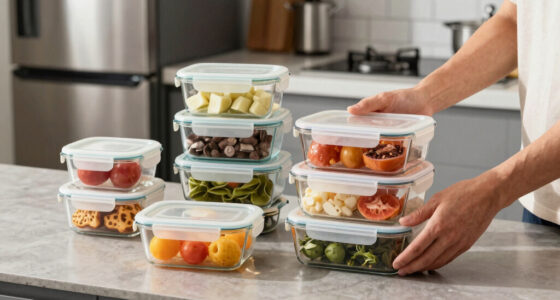
Use airtight containers, ideally glass, to keep food fresh and safe for 3-4 days.
Batch cook staples like rice and roasted vegetables to save time during the week.
Plan your meals and shopping list ahead to avoid last-minute stress and waste.
Gradually expand your recipe variety to keep meals exciting and prevent boredom.
Why Meal Prep Is a Game-Changer for Your Week
Meal prep isn’t just a trend — it’s a proven way to cut stress, save time, and boost your health. When you prep meals ahead, you avoid the scramble of figuring out dinner last minute. Instead, you come home to a fridge full of ready-to-eat options that taste fresh and satisfying.
For example, a busy professional might spend 1-2 hours on a Sunday afternoon batch-cooking grains and roasting veggies. Come Tuesday night, all they need is to assemble their bowl and enjoy — no fuss, no fast food.
Research shows meal prepping can reduce weekly food costs by up to 30%. Plus, it promotes better portion control and helps you stick to dietary goals. Think of it as taking control of your eating habits, one container at a time.
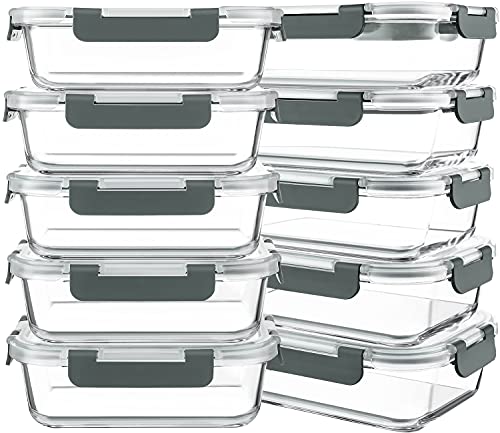
KOMUEE 10 Packs 30 oz Glass Meal Prep Containers,Glass Food Storage Containers with Lids,Airtight Lunch Bento Boxes,Microwave,Freezer and Dishwasher,Gray
GLASS MEAL PREP CONTAINERS 10 PACKS: Buying our versatile glass containers sets (10 lids & 10 containers) size:…
As an affiliate, we earn on qualifying purchases.
As an affiliate, we earn on qualifying purchases.
Pick Easy Recipes That Store Well and Reheat Like a Dream
The key to successful meal prep? Choose recipes that hold up in the fridge and taste just as good reheated. This is crucial because some dishes lose their texture or flavor when stored improperly, which can lead to waste and dissatisfaction. For example, dishes like hearty stews, roasted chicken, grain bowls, or veggie-packed pasta are forgiving because their flavors deepen over time, and their textures remain appealing even after reheating. These dishes often contain ingredients that don’t turn mushy or rubbery, making them reliable staples for your weekly prep.
For instance, roasted sweet potatoes, grilled chicken breasts, and quinoa make a colorful, filling bowl. They reheat quickly in the microwave without turning rubbery or mushy. However, some ingredients like leafy greens or delicate seafood don’t reheat well and can spoil the meal’s quality. Understanding these nuances helps you plan recipes that minimize waste and maximize satisfaction. Start simple — even a turkey chili or stir-fry can work well. As you get comfortable, you can experiment with more complex recipes, but always consider how ingredients respond to storage and reheating processes.

Airtight Food Storage Containers with Lids, Vtopmart 24 pcs Plastic Kitchen and Pantry Organization Canisters for Cereal, Dry Food, Flour and Sugar, BPA Free, Includes 24 Labels,Black
Help Organize Your Kitchen and Pantry— Imagine every time walking to your kitchen or pantry, found everything is…
As an affiliate, we earn on qualifying purchases.
As an affiliate, we earn on qualifying purchases.
Step-by-Step: How to Plan a Week of Meals in 5 Easy Moves
- Choose Your Meals: Pick 3-4 recipes that store well and match your taste. Think versatile dishes like rice bowls, salads, or baked dishes. Consider how each dish will reheat or be enjoyed cold, and choose accordingly. This step is crucial because selecting adaptable recipes reduces the risk of spoilage and keeps your meal variety interesting, preventing boredom and ensuring you stick to your plan.
- Create a Shopping List: Write down all ingredients needed for your recipes. Stick to it to avoid impulse buys, which can lead to unnecessary waste or extra costs. A detailed list helps you stay organized and ensures you have everything on hand, making the cooking process smoother and more efficient.
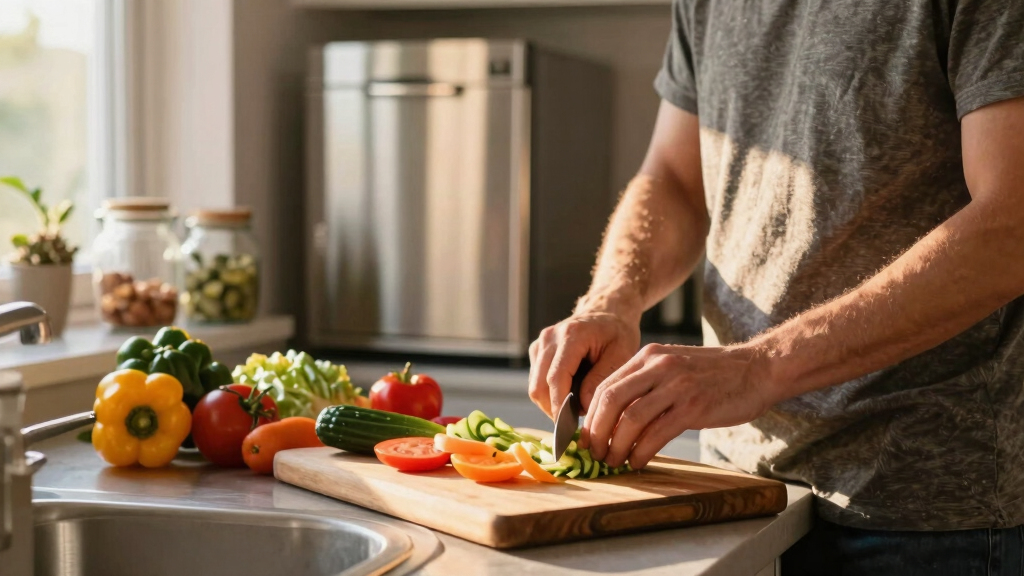
- Schedule Your Prep Day: Dedicate 2-3 hours on a weekend or off day. Batch cook ingredients, chop vegetables, and assemble meals. Planning ahead prevents last-minute rushes and ensures you have enough time to do it properly, which is essential for food safety and quality.
- Use the Right Containers: Invest in glass or BPA-free plastic containers with tight-fitting lids. Label them with dates to track freshness. Proper containers help maintain the quality and safety of your meals, and labeling prevents confusion or eating spoiled food.
- Store and Reheat: Keep meals in the fridge for 3-4 days. Reheat in the microwave or oven, adding fresh herbs or dressings to boost flavor. Understanding how to reheat correctly preserves nutrients and flavor, making your meals more enjoyable and reducing waste.
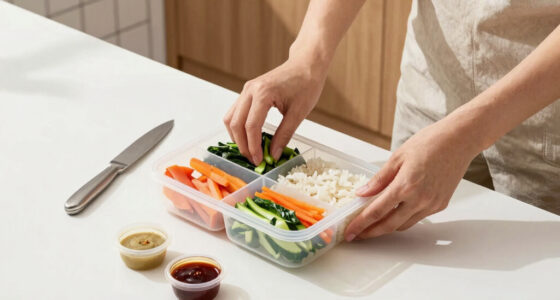
For example, on Sunday, cook a batch of brown rice, roast a tray of mixed vegetables, and grill chicken breasts. Portion into containers. The week ahead becomes a breeze.
![Freshware Meal Prep Bowl Containers [30 Pack] Plastic Bowls with Lids for Soup and Salad, Food Storage Bento Box, BPA Free, Stackable, Lunch Boxes, Microwave/Dishwasher/Freezer Safe (28 oz)](https://m.media-amazon.com/images/I/51TLCZLYY3L._SL500_.jpg)
Freshware Meal Prep Bowl Containers [30 Pack] Plastic Bowls with Lids for Soup and Salad, Food Storage Bento Box, BPA Free, Stackable, Lunch Boxes, Microwave/Dishwasher/Freezer Safe (28 oz)
✅ SAVE TIME & MONEY: 30-Pack of Bento Boxes features 1 compartment in one bowl container. Each meal…
As an affiliate, we earn on qualifying purchases.
As an affiliate, we earn on qualifying purchases.
Compare Containers: Glass vs. BPA-Free Plastic for Meal Prep
| Feature | Glass Containers | BPA-Free Plastic Containers |
|---|---|---|
| Safety & Reheating | Highly durable, microwave safe, won’t stain or retain odors | Lightweight, microwave safe, but may stain or warp over time |
| Durability | Long-lasting, resistant to cracking | Less durable, can crack or warp |
| Cost | Higher upfront cost, lasts longer | Cheaper upfront, may need replacing |
| Environmental Impact | Eco-friendly, reusable for years | Recyclable, but less eco-friendly over time |
Choosing between the two depends on your priorities. Glass is safer and lasts forever, but costs more upfront. Plastic is lightweight and budget-friendly but may not last as long.
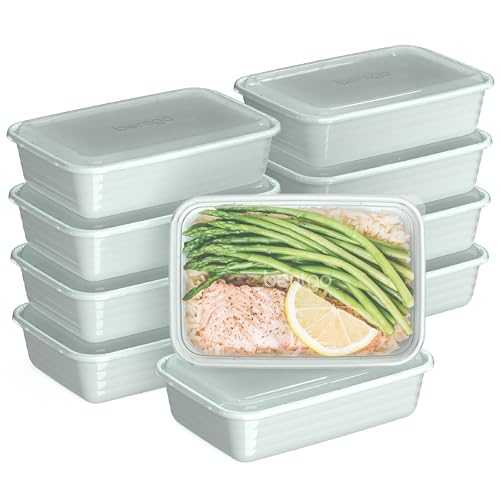
Bentgo Prep – 20-Piece 1-Compartment Reusable Meal Prep Containers with Lids, PFAS & BPA Free Materials, Durable, Microwave, Freezer, & Dishwasher Safe To Go Food Storage (Mint)
#1 Brand Pick for Meal Prep Containers: Bentgo is the top pick for meal prep containers!* This lightweight,…
As an affiliate, we earn on qualifying purchases.
As an affiliate, we earn on qualifying purchases.
Keep Food Fresh and Safe: Storage Tips for Meal Prep Success
Proper storage is the secret to enjoying your meals all week. Use airtight containers to lock in freshness and prevent spills. Store cooked meals in the fridge for no more than 3-4 days, or freeze for longer storage.
For example, if you prep a batch of spaghetti sauce, divide it into smaller containers. Freeze half if you won’t eat it within a few days. When reheating, always check that food is steaming hot to kill any bacteria.
Label your containers with dates to track freshness. And when reheating, stir well and add a splash of water or broth to keep dishes moist.
Remember, proper storage isn’t just about safety; it also impacts flavor and texture. Keeping meals at the right temperature, avoiding air exposure, and using suitable containers help preserve the intended taste and consistency, making your meal prep efforts more rewarding and reducing food waste.
Avoid Common Pitfalls That Sabotage Your Meal Prep
Many beginners fall into traps that turn meal prep into a chore. Overcomplicating recipes, neglecting variety, or failing to plan storage can all cause frustration.
For instance, sticking to just one or two recipes for the entire week can get boring fast. Instead, plan for different textures and flavors to keep things interesting, which also encourages balanced nutrition and prevents palate fatigue. Additionally, not considering how ingredients respond to storage can lead to spoiled or unappetizing meals. For example, delicate greens wilt quickly, and seafood can spoil faster if not stored properly. Understanding these nuances helps you choose ingredients wisely and extend the shelf life of your meals.
Also, don’t forget to set aside time for proper cooling before packing meals. Hot food left in containers can create condensation or promote bacteria growth, risking spoilage. Using shallow containers helps cool food evenly. Lastly, avoid over-prepping ingredients you won’t use. Use versatile staples like rice, beans, and roasted veggies to stretch your meals without extra effort, but be mindful not to prepare excessive quantities that may go to waste. Thoughtful planning ensures your meal prep remains efficient, safe, and enjoyable.
Frequently Asked Questions
How do I start meal prepping if I’m a beginner?
Begin with 2-3 simple recipes, like roasted chicken and vegetables or overnight oats. Dedicate a few hours on a weekend to prep, then gradually add more variety as you become comfortable.
What containers are best for meal prep?
Glass containers are ideal for safety and reheating because they don’t stain or warp. BPA-free plastics are budget-friendly and lightweight but may not last as long. Choose what fits your lifestyle and prioritize airtight seals.
How long can I store prepped meals safely?
Most cooked meals stay fresh in the fridge for 3-4 days. For longer storage, freeze portions to enjoy over the next few weeks. Always reheat thoroughly until steaming hot to ensure safety.
What are some beginner-friendly recipes?
Start with dishes like roasted chicken with vegetables, grain bowls, salads, overnight oats, or stir-fries. These are straightforward, forgiving, and store well.
How do I keep meals tasting fresh all week?
Use airtight containers, store ingredients separately when possible, and add fresh herbs or dressings before eating. Small touches like this keep flavors vibrant and meals appealing.
Conclusion
Meal prepping isn’t about perfection — it’s about making your weekly routine easier and healthier. Start small, keep it simple, and trust the process. Soon, you’ll wonder how you ever managed without those pre-packed, ready-to-eat meals.
Next time you open that fridge, see it as a treasure chest of flavors waiting to be enjoyed — all thanks to a little planning and a few containers. Your future self will thank you.