TL;DR
Listen free for 30 days with Audible
Thousands of audiobooks and originals — cancel anytime.
Start your free trialAs an affiliate, we earn on qualifying purchases.
Glass containers are safer and more durable but break easily, while plastic is lightweight and cheaper but may leach chemicals and degrade faster. Knowing these tradeoffs helps you choose what fits your lifestyle and health priorities.
Meal-prep containers are the unsung heroes of busy kitchens—helping you stay organized and eat healthier. But choosing the right material isn’t just about looks or price; it’s about safety, longevity, and environmental footprint. The decision between glass and plastic can feel overwhelming, but understanding their real strengths and weaknesses makes it easier to pick what suits your needs.
In this guide, you’ll learn the concrete benefits and risks of each, including recent innovations that might sway your choice. Whether you prioritize safety, convenience, or sustainability, this will give you the clarity to make smarter decisions in your kitchen.
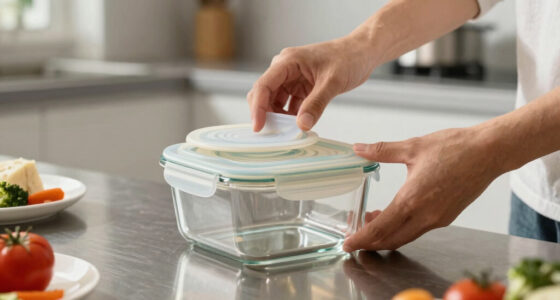
Glass containers are non-reactive and won’t leach chemicals, making them safer for heating and storing food.
Plastic is lightweight and less prone to breaking, but it can stain, absorb odors, and degrade faster, often needing replacement after 1-3 years.
Recycling glass is more sustainable long-term, but it requires careful handling to avoid breakage.
Always check labels—microwave-safe plastics and tempered glass are your safest bets for heat use.
Recent innovations like shatter-resistant glass and sealed plastics improve durability and safety, but no container lasts forever.
Is glass or plastic safer for your food? The truth about chemicals
Glass is often called the safer choice because it’s non-reactive. It won’t leach chemicals into your food, even with heat or acidity. Plastic, on the other hand, can contain chemicals like BPA or phthalates, which can seep into your meals if the container is scratched or heated.
Choosing glass reduces the risk of chemical migration, which is especially important if you frequently reheat meals or store acidic foods like tomatoes and citrus. The implications are significant: exposure to endocrine disruptors from plastics has been linked to hormone imbalances, developmental issues, and increased risk of certain cancers. Therefore, opting for glass can be a proactive step towards minimizing these health hazards. However, this safety comes with a tradeoff—glass is fragile and can shatter, posing a risk of injury, which means careful handling is essential. The decision hinges on balancing safety from chemical exposure against the practicalities of durability and convenience.
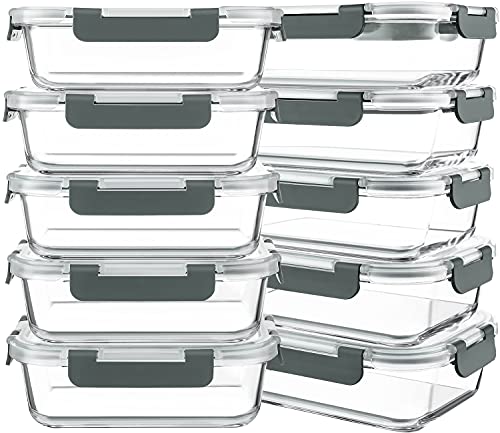
KOMUEE 10 Packs 30 oz Glass Meal Prep Containers with Lids
- Set Includes: 10 glass containers with lids
- Container Size: 30 oz capacity each
- Material: Borosilicate glass for durability
As an affiliate, we earn on qualifying purchases.
As an affiliate, we earn on qualifying purchases.
Durability showdown: How long will these containers really last?
When it comes to durability, plastic seems unbeatable—lightweight, flexible, and less likely to shatter. It’s perfect for kids’ lunches or when you’re on the go. But plastics can stain, absorb odors, and degrade over time, which can compromise food safety and taste. For instance, scratches can harbor bacteria and chemicals, making cleaning less effective and increasing health risks. This means that plastic containers might need replacement more often than you’d expect, especially after repeated microwave use or dishwashing cycles. The tradeoff is that plastics are less fragile, but their shorter lifespan can lead to more waste and expense over time.
Glass, however, can last decades if handled carefully. Its resistance to staining and odors helps maintain food quality, and many high-quality containers can withstand hundreds of uses. Yet, the downside is fragility: a single drop can shatter a glass container, creating safety hazards and replacement costs. This fragility influences whether glass is practical for your lifestyle—if you’re frequently transporting meals, plastic might be more convenient despite its shorter lifespan. Conversely, if you value longevity and are willing to handle them carefully, glass offers a more sustainable, long-term solution. The tradeoff involves balancing durability with safety and convenience.

Rubbermaid Brilliance Tritan Plastic Food Storage Containers BPA Free Airtight Lids Ideal for Lunch Meal Prep & Leftovers Set of 5 (3.2 Cup)
- Leak-proof Seal: 100% leak-proof with secure latches
- Crystal-clear Material: Stain- and odor-resistant Tritan plastic
- Lightweight & Durable: Easy to carry and sturdy for daily use
As an affiliate, we earn on qualifying purchases.
As an affiliate, we earn on qualifying purchases.
Environmental impact: Which container is greener?
Glass is highly recyclable and can be reused indefinitely without losing quality. This means that, in theory, a glass container can be part of a sustainable cycle, reducing waste over time. However, manufacturing glass is energy-intensive, contributing to higher carbon emissions. The environmental tradeoff is that while glass’s durability and recyclability make it a greener option in the long run, the initial production footprint is significant, and transportation costs are higher due to its weight. Proper handling and recycling are crucial to maximize its eco-friendly benefits.
Plastic’s environmental impact is more immediate—most plastics are derived from fossil fuels, and many are designed for single-use. They often end up in landfills or oceans, where they can persist for hundreds of years, breaking down into microplastics that contaminate ecosystems and enter the food chain. While plastics require less energy to produce and transport, their short lifespan and pollution potential make them less sustainable overall. The key implication is that choosing glass can help reduce plastic waste, but only if consumers commit to proper recycling. The tradeoff is between lower manufacturing emissions for plastic versus long-term waste and pollution concerns.

Vtopmart 5Pack 22oz Glass Storage Containers with Lids, Grey
- Meal Prep and Food Storage: Perfect for meal prep, lunches, leftovers
- Leakproof Hinged Lids: Innovative lids prevent spills and leaks
- Easy-to-Clean Silicone Seals: Removable seals for simple washing
As an affiliate, we earn on qualifying purchases.
As an affiliate, we earn on qualifying purchases.
Can I microwave plastic safely? What about glass?
Glass is generally safe for microwave use because it’s resistant to high heat and won’t warp or release chemicals when heated. However, it’s important to use only microwave-safe glass containers, as some decorative or non-heat-resistant glass can crack or shatter under rapid temperature changes. The safety implication is that glass provides a more reliable and predictable heating experience, reducing the risk of chemical exposure and accidents.
Plastic’s safety depends heavily on the type and condition of the container. Some plastics are designed to be microwave-safe, but many aren’t. Heating non-microwave plastics can cause warping, chemical leaching, or even melting, which can contaminate your food and pose health risks. Moreover, scratches or cloudiness in plastic containers can increase the likelihood of chemical migration. The tradeoff here is that plastic is more convenient and lightweight but requires careful attention to labels and condition. When in doubt, transferring food to glass before reheating provides a safer, more consistent heating process.

50 Pack (100-Piece) 32 oz Meal Prep Containers with Easy Open Lids, Black
- Durable and Reusable Material: Made of premium thick plastic for durability
- Leakproof and Stackable Design: Tight sealed lids prevent leaks and spills
- Microwave and Freezer Safe: BPA-free containers withstand -4℉ to 248℉
As an affiliate, we earn on qualifying purchases.
As an affiliate, we earn on qualifying purchases.
Cost and value: Are glass containers worth the price?
Glass containers tend to cost more upfront—think double or triple the price of basic plastics. But this higher initial investment can be justified by their longevity; many glass containers can last for decades with proper care, making them a cost-effective choice over time. This durability means fewer replacements, less waste, and fewer hidden costs associated with frequent buying. The implication is that paying more initially can lead to savings and a smaller environmental footprint in the long run, especially if you prioritize health and sustainability.
Plastic containers are budget-friendly and lightweight, making them ideal for quick trips or when you need multiple containers at once. But their shorter lifespan—often 1-3 years—means repeated purchases and ongoing expenses. The tradeoff is that plastics are more accessible and convenient but may result in higher cumulative costs and waste over time. For those committed to reducing waste and avoiding chemicals, investing in quality glass containers can be a smarter long-term choice, despite the higher initial price.
Latest innovations: What new features are making containers better?
Recent trends include tempered glass with shatter resistance and plastics labeled BPA-free, easing health concerns. Silicone-lined lids create better seals, preventing leaks. Some containers now incorporate vacuum seals or freshness indicators—ideal for keeping meals fresh longer. These innovations address common frustrations, such as leaks, odors, and spoilage, by enhancing durability and functionality.
For example, shatter-resistant glass reduces the risk of accidents in busy kitchens, while improved sealing mechanisms in plastics help maintain freshness and prevent leaks during transport. These features can influence your choice, especially if you’re looking for containers that can withstand the rigors of daily use while maintaining safety and environmental benefits. The implication is that ongoing technological advancements are narrowing the gaps between materials, offering more versatile options tailored to modern lifestyles.
According to Timer Tools, these advances are making it easier than ever to choose containers that match your lifestyle without sacrificing safety or eco-friendliness.
Frequently Asked Questions
Are plastic containers safe for microwave use?
It depends on the plastic type. Look for containers labeled ‘microwave-safe.’ Even then, avoid heating plastics with scratches or cloudiness, as chemicals can leach into your food. When in doubt, transfer to glass for reheating.
Can I reuse plastic containers safely?
Yes, but only if they’re in good condition—no cracks, no warping. Use those labeled dishwasher and microwave safe, and replace them if they show signs of wear. Regularly inspect for scratches or clouding, which can harbor bacteria or increase chemical leaching.
Are glass containers better for health?
Generally, yes. Glass is inert and won’t leach chemicals, even at high temperatures. It’s a safer choice for heating and storing food, especially if you’re concerned about chemical exposure or eating acidic meals.
What is the environmental impact of plastic vs glass?
Glass is more sustainable long-term because it’s recyclable and highly durable. However, its production consumes more energy. Plastic’s environmental footprint is bigger due to pollution and shorter lifespan, but it’s lighter and uses less energy to produce initially.
How do I prevent glass containers from breaking?
Handle carefully, avoid sudden temperature changes, and choose tempered or reinforced glass options. Using padded storage or stacking with protective sleeves can also help prevent breakage during transport or storage.
Conclusion
Your choice between glass and plastic comes down to what matters most—safety, convenience, or environmental impact. With a clear understanding of their strengths and weaknesses, you can pick containers that serve your health and lifestyle best.
Remember, no matter what material you choose, handle with care and prioritize proper recycling. That’s how you turn simple containers into smart, safe tools for your kitchen—and a cleaner planet.
Back to school Picks
back to school
As an affiliate, we earn on qualifying purchases.