
TL;DR

Get kitchen gear delivered free with Prime
- Fast, free delivery on millions of items
- Prime Video, Amazon Music and more included
- Member-only deals all year
Bento-style lunch boxes with compartments prevent flavor mixing, separate textures, and keep meals fresh longer. Their design enhances organization and reduces waste, making them ideal for busy lifestyles.
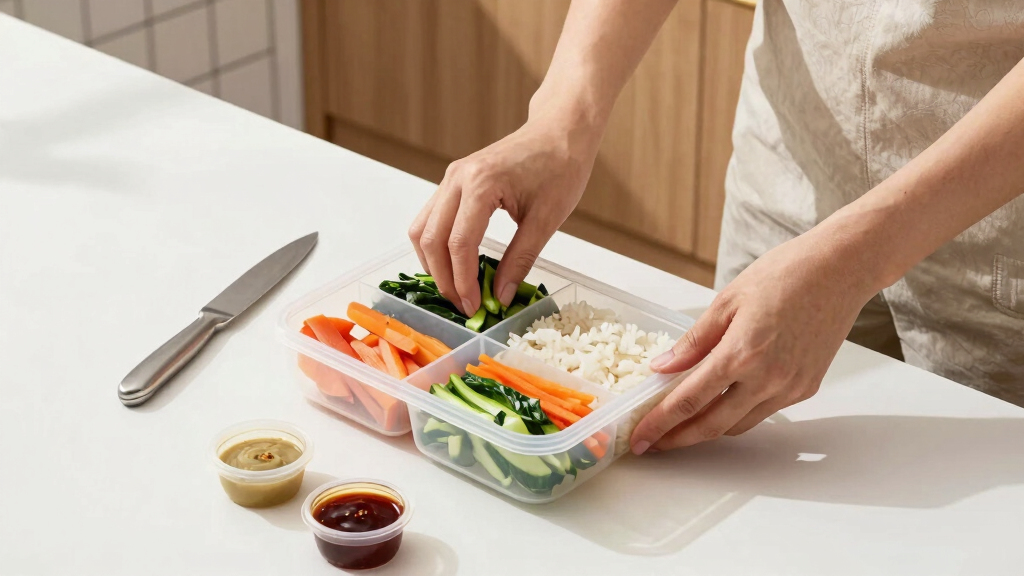
Imagine opening your lunch box and seeing a vibrant mosaic of colors—bright orange carrots, emerald green broccoli, and creamy hummus—all perfectly separated. That’s the magic of bento-style lunch boxes. Their secret? compartments that keep foods distinct, fresh, and appealing. No soggy sandwiches, no mixed flavors—just a clean, inviting meal every time.
These boxes aren’t just about looks. They’re practical, eco-friendly, and designed to make your meal prep smarter. Whether you’re packing for work, school, or a picnic, understanding how compartments preserve meals can transform your approach to healthy eating and reduce waste. Let’s explore how these tiny dividers work their magic and how you can get the most out of them.
Compartments prevent flavor transfer and moisture buildup, extending meal freshness.
Choosing the right materials, like stainless steel, reduces chemical leaching and odors.
Proper packing—using small compartments for liquids—keeps meals neat and fresh longer.
Insulated bento boxes can maintain hot or cold temperatures for several hours, ideal for busy days.
Customization and modular designs make meal prep easier, more fun, and healthier.
How Do Compartments Actually Keep Food Fresher?
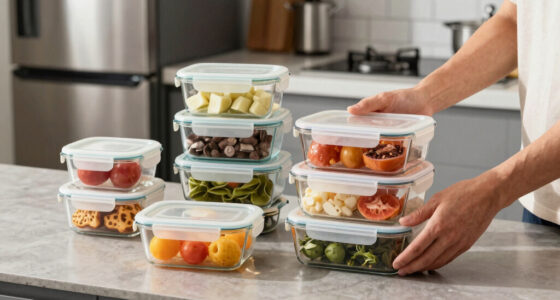
Compartments act like tiny, dedicated storage zones, preventing foods from touching and mixing. This simple design stops moisture from transferring between items, which can cause sogginess or spoilage. For example, keeping cut apples away from bread prevents the bread from getting damp and moldy.
Plus, many bento boxes feature tight lids and seals that lock in freshness, much like a mini fridge in your bag. Some even include insulated layers that help maintain the right temperature—hot or cold—for hours.
Understanding this, it’s clear that the design of compartments isn’t just about organization but about actively controlling the environment around each food item. This helps maintain optimal texture and flavor, which are crucial for enjoying meals and reducing food waste. If moisture or air exchange isn’t managed properly, foods can quickly lose their appeal, leading to discarded leftovers and increased costs. The tradeoff, however, is that compartments require careful cleaning and sometimes more space, which can be a challenge for those with limited storage. Still, the benefits of extended freshness often outweigh these inconveniences, especially for busy lifestyles that demand quick, reliable meal solutions.
As an affiliate, we earn on qualifying purchases.
Why Do Compartments Make Meal Prep Easier and Less Messy?
When you prep meals with compartments, you’re essentially creating a mini landscape of your meal, which simplifies planning and assembly. This approach reduces the need for multiple wrappers, plastic bags, or extra containers, which not only cuts down on waste but also minimizes the chances of spills and leaks during transport. The benefit here is a more streamlined process—fewer steps, less cleanup, and less environmental impact.
Furthermore, the separation of textures and flavors isn’t just about aesthetics; it affects the eating experience. For example, crunchy vegetables stay crisp, and juicy fruits don’t make other foods soggy. This separation encourages healthier eating because it makes meals more appetizing and appealing, especially for kids or picky eaters. Additionally, the ability to customize the size and shape of each section supports portion control, which is vital for managing calorie intake and nutritional balance. The tradeoff is that more compartments can mean more cleaning time and potential difficulty in disassembly, but the payoff is a meal that stays fresh, organized, and appealing from storage to consumption.
insulated bento box for hot and cold meals
As an affiliate, we earn on qualifying purchases.
As an affiliate, we earn on qualifying purchases.
Comparison Table: Traditional Lunch Containers vs. Bento Compartments
| Feature | Traditional Single-Compartment | Bento-Style with Compartments |
|---|---|---|
| Food Separation | Limited; relies on separate bags or wrappers | Multiple built-in compartments |
| Flavor Mixing | High risk, especially with liquids or moist foods | Minimized; foods stay distinct, preserving original flavors and textures |
| Freshness Retention | Variable; depends on sealing and storage conditions | Enhanced; compartments act as barriers to moisture and air transfer, prolonging freshness |
| Ease of Cleaning | Simple, but some parts may be tricky to wash thoroughly | More parts, but designed for easy disassembly and cleaning, reducing bacteria buildup |
| Versatility | Limited to one type of food per container | Flexible; different sizes and shapes accommodate various foods and portions |
As an affiliate, we earn on qualifying purchases.
How to Pack Your Lunch for Maximum Freshness and Organization
- Choose the right bento box based on your meals’ needs—insulated for hot/cold, or simple for dry foods.
- Prep your foods in advance. Wash, chop, and portion out everything—think colorful veggies, proteins, and grains.
- Place wetter items—like dips or juicy fruits—in the smaller or airtight compartments to prevent leaks.
- Fill each section carefully, leaving space for airflow if needed, to avoid squishing. Proper packing not only prevents damage but also allows the food to maintain its intended texture and temperature.
- Seal each lid tightly. If your box has a thermal layer, close it up for extra insulation. Proper sealing is crucial because even small gaps can lead to spoilage or leaks, especially if the box tips over during transport.
- Store in the fridge until ready to pack. When it’s time, grab and go—your meal stays fresh and unspoiled, reducing the likelihood of foodborne illnesses and waste.
As an affiliate, we earn on qualifying purchases.
What Materials Keep Food Fresh Without Harmful Chemicals?
Look for bento boxes made from BPA-free plastic, stainless steel, or glass. These materials are safe, durable, and won’t leach chemicals into your food. For example, stainless steel boxes are resistant to stains and odors, making them ideal for daily use. Choosing non-toxic materials is essential because it directly impacts your health—some plastics can release endocrine-disrupting chemicals over time, especially when heated or exposed to sunlight. The tradeoff is that stainless steel and glass tend to be heavier and more fragile than plastic, which might affect portability but offers peace of mind regarding chemical safety. Additionally, selecting containers with airtight seals and leak-proof lids is vital to prevent spoilage and maintain the integrity of your meals during transport. Prioritizing safe, high-quality materials ensures your food remains fresh, safe, and free from contaminants, supporting healthier eating habits.
Proper cleaning and maintenance are equally important. Regularly inspecting seals and replacing worn-out parts prolongs the lifespan of your containers and keeps your meals safe from bacteria and mold.
How Long Can a Well-Insulated Bento Keep Food Fresh?
Insulated bento boxes can keep food hot or cold for 4 to 8 hours, depending on the design and external temperature. This duration is significant because it allows you to enjoy freshly prepared meals even hours after packing, which is especially useful for long workdays or outings. For example, a high-quality thermal box might keep leftovers warm during a full workday, ensuring that your meal remains at a safe temperature to prevent bacterial growth. Conversely, cold foods like salads or dairy-based items stay fresh and safe from spoilage for the same period, reducing the risk of foodborne illnesses. Using ice packs or thermal liners can extend this time further, but it’s important to remember that the longer food sits outside refrigeration, the greater the risk of quality decline. Therefore, planning your meal timing and choosing the appropriate insulation are key to maintaining both safety and flavor. The tradeoff is that more effective insulation often adds weight and cost but provides peace of mind and convenience for busy schedules.
Ultimately, understanding the insulation capabilities helps you plan meals better, ensuring that your food remains fresh, flavorful, and safe until the moment you enjoy it.
Frequently Asked Questions
Are bento boxes leak-proof?
Most modern bento boxes feature leak-proof seals, especially those designed for liquids like sauces or soups. Always check product specifications and test the seals before packing liquids for a full day.What materials are safest for food storage?
Bento boxes made from BPA-free plastics, stainless steel, or glass are safest. They won’t leach harmful chemicals and are easy to clean, helping you keep your meals fresh and safe.How do I clean and maintain my bento box?
Most are dishwasher safe, but always follow the manufacturer’s instructions. Regularly wash all compartments and seals to prevent odors and bacteria buildup, especially if you pack moist foods.Can bento boxes keep food hot or cold for hours?
Yes, insulated models can maintain temperature for 4 to 8 hours. For longer outings, add ice packs or thermal liners to extend freshness and safety.Are bento boxes suitable for children?
Absolutely. They come in various sizes and fun designs, making them perfect for kids’ lunches and encouraging healthy eating habits.Conclusion
Using a bento-style lunch box isn’t just about looking good—it’s a smart way to keep your meals fresh and organized. The compartments act like tiny guardians, preventing sogginess and flavor mingling, so every bite tastes just as good as when you packed it.
Choosing the right materials and packing thoughtfully can turn your daily lunch into a clean, fresh, and colorful experience. Think of your bento as a mini fridge in your bag—ready to serve up freshness whenever you open it.
Halloween Picks
halloween
As an affiliate, we earn on qualifying purchases.