TL;DR

Get kitchen gear delivered free with Prime
- Fast, free delivery on millions of items
- Prime Video, Amazon Music and more included
- Member-only deals all year
Good Housekeeping recommends eight fall and early-winter foods for Mediterranean-style eating: butternut squash, lentils, pears, kale, citrus, walnuts, olive oil and pomegranate. The report offers serving ideas and nutrient context, but does not present new research or evidence that adding any single food will prevent or treat disease.
Good Housekeeping’s fall food guide names eight seasonal ingredients—butternut squash, lentils, pears, kale, citrus, walnuts, olive oil and pomegranate—as additions to Mediterranean-style meals. The report pairs each food with practical serving ideas and nutrient information; it is a seasonal eating guide, not a new clinical study or a claim that individual foods can prevent disease.
The list spans produce, legumes, nuts and a cooking fat. The report describes butternut squash as a source of fiber and beta carotene, and suggests roasting it with olive oil and herbs, blending it into soup, or adding it to pasta and salads. Lentils can form the base of soups, stews, salads and warm meals with roasted vegetables. They provide plant-based protein, fiber and iron, according to the report.
Pears offer a fall fruit option and can be eaten fresh, baked with cinnamon, or served in a salad with walnuts and feta. Kale, which grows well in cooler weather, supplies vitamins A, C and K, the article says. It recommends softening raw kale by massaging it with olive oil and lemon juice, or adding it to soups and stews.
The guide also highlights lemons and oranges, noting that citrus season begins in November and that the fruits add flavor to lentil, kale and grain dishes. Walnuts contribute plant-based protein and ALA omega-3 fatty acid. The report calls olive oil a central Mediterranean cooking ingredient and suggests using it for sautéing, dressings or as a finishing drizzle. Pomegranate arils, in season in late fall and early winter, can top salads, roasted vegetables, grain bowls or yogurt.
Seasonal Ingredients, Everyday Meals
The guide is useful as a practical seasonal shopping list: its suggestions show how familiar fall produce can fit into meals built around vegetables, legumes, nuts and olive oil. Pairings such as lentils with kale and lemon, or pears with walnuts, offer straightforward ways to add variety without requiring a specialized recipe.
Health claims need careful framing. The article describes nutrients and cites possible associations, but its food-by-food summaries do not establish that any one ingredient prevents, treats or cures a condition. The report’s main value is its meal ideas and seasonal timing, rather than new evidence about health outcomes.
Products Worth Considering

Greenworks 24V Brushless Drill and Impact Driver Combo Kit with Two 2.0Ah USB-C Batteries and 65W Charger

WORX 20V Cordless 18-Gauge Brad Nailer, WX842L

EGO POWER+ LB6151 Cordless Leaf Blower with 2.5Ah Battery and Charger
As an affiliate, we earn on qualifying purchases.
How Fall Fits Mediterranean Eating
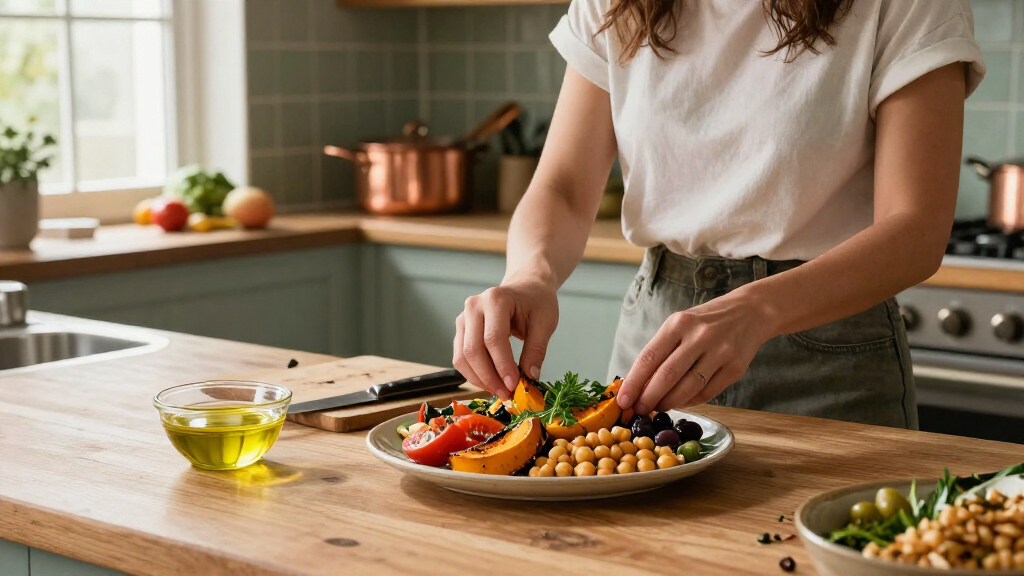
The Mediterranean diet is presented in the report as an eating pattern that includes vegetables, legumes, fruit, nuts and olive oil. The eight foods are selected for their availability or appeal in autumn and early winter, not as a required checklist. Several can be combined in one dish: the article suggests lemon to brighten lentil and kale stew, and orange slices alongside squash and white beans.
The source is a Good Housekeeping seasonal food report. It attributes nutrition and health statements to the article’s cited experts and research, but the supplied material does not identify a new trial, publication date or full study details. Its suggestions should be read as food guidance, not individualized medical advice.
“Fall is the perfect time to enjoy butternut squash, a fantastic addition to the Mediterranean diet.”
— Stuart, as quoted in the Good Housekeeping report
Limits of the Health Claims
The supplied report does not provide detailed citations, study designs or effect sizes for its statements about possible links between pears and heart health, or compounds in citrus, walnuts and olive oil. Those claims cannot be evaluated fully from the material provided. No disease-prevention or treatment effect is established by the seasonal list itself, and individual nutrition needs can vary.
The source also does not specify a publication date in the supplied text. Its seasonal timing is described by month or season: citrus begins in November, while pomegranate is associated with late fall and early winter.
Putting the List Into Practice
Readers can use the recommendations as flexible meal-planning options: choose seasonal produce, pair it with lentils or other beans, and use olive oil, herbs or citrus for flavor. The report offers recipe links for several ingredients, including squash, lentils, kale and pears, but does not set out a prescribed menu or serving targets.
Any further assessment of the health claims would require the underlying research and its methods. For now, the article’s confirmed contribution is a set of seasonal food suggestions and preparation ideas, not a new dietary guideline.
Key Questions
Which foods does the fall guide recommend?
It lists butternut squash, lentils, pears, kale, lemons and oranges, walnuts, olive oil and pomegranate.
What are some easy ways to use these foods?
The report suggests roasting squash, adding lentils to soups or salads, massaging kale with olive oil and lemon, topping dishes with walnuts or pomegranate, and using citrus in salads and stews.
Does the report show these foods prevent disease?
No. It summarizes nutrients and potential health associations, but the supplied material does not establish that any listed food prevents or treats a disease.
When are citrus and pomegranate in season?
The report says citrus season begins in November, while pomegranates are in season in late fall and early winter.
Source: goodhousekeeping.com