
TL;DR
Cooking salmon correctly depends on method and thickness. Oven, pan, and air fryer times vary but using a thermometer guarantees perfect doneness. Adjust based on fillet size for best results.
Imagine pulling a perfectly flaky salmon fillet from your oven, its rich pink flesh just barely opaque, the aroma warm and inviting. Cooking salmon isn’t just about time; it’s about knowing when it’s just right—moist, tender, and safe to eat. Whether you’re prepping a quick weeknight dinner or aiming for restaurant-quality results, understanding how long to cook salmon in your oven, pan, or air fryer makes all the difference.
In this guide, you’ll learn exactly how long to cook salmon in each method, how to tell when it’s done, and tips to avoid overcooking. With these simple, practical insights, you’ll turn out salmon that’s perfectly flaky and bursting with flavor every single time.
Always aim for an internal temperature of 125°F (52°C) for tender, flaky salmon—below the USDA’s 145°F safety mark but preferred by many chefs.
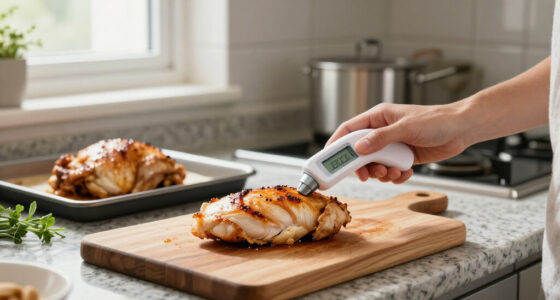
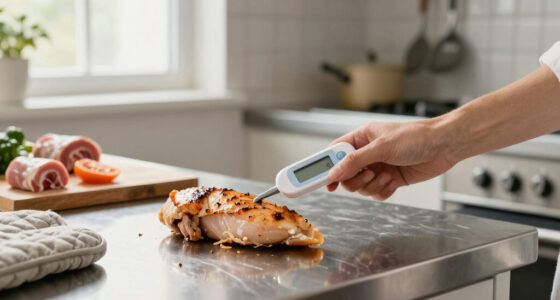
Use a thermometer to avoid overcooking—trusting visuals alone can lead to dry fish.
Cooking times vary based on thickness and method; adjust accordingly for the best results.
Air fryers cook salmon faster and with crispy edges, perfect for busy nights.
Thicker fillets need more time; don’t forget to let the fish rest after cooking for even moisture distribution.
How Long to Bake Salmon in the Oven for Flaky Perfection
Oven baking is a gentle, even way to cook larger pieces or whole salmon. For example, if you place a 1-inch thick salmon fillet on a baking sheet and set your oven to 375°F (190°C), it typically takes about 12-15 minutes. Think of it like baking a loaf of bread—if the bread is larger or thicker, it needs more time to cook through evenly. Your goal? The fish should flake easily with a fork and reach an internal temperature of around 125°F (52°C) for tender, moist results.
Why does this matter? Imagine trying to cook a steak—if you leave it in too long, it turns tough and dry; too short, and it’s raw inside. The same principle applies to salmon. Baking at this temperature and time ensures even cooking, preventing the edges from drying out while the center remains moist. Adjusting time based on thickness is crucial—thicker cuts might need an extra 2-3 minutes, but overcooking can turn the delicate texture rubbery. Using a probe thermometer helps you navigate this balance, providing precision and confidence in your doneness. Resting the fish after baking allows residual heat to finish the cooking process gently, ensuring the texture remains moist and flaky without overdoing it.
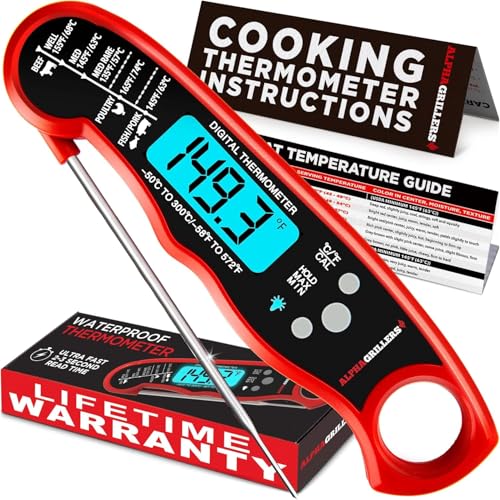
Alpha Grillers Instant Read Meat Thermometer Digital, Cooking, Food, Grill
Instant Read Food Thermometer | Our instant read thermometer features a temperature probe and advanced, highly accurate technology…
As an affiliate, we earn on qualifying purchases.
As an affiliate, we earn on qualifying purchases.
Pan-Searing Salmon: Fast, Crispy, and Juicy
Pan-searing is like giving your salmon a quick, high-heat sear to develop a flavorful crust—imagine searing a steak or frying a crispy chicken skin. For a 1-inch thick fillet, heating a skillet over medium-high heat and cooking for 3-4 minutes per side is typical. Think of it as giving each side a quick, golden-brown tan—this crust adds texture and visual appeal. When the fish flakes easily and reaches an internal temperature of about 125°F (52°C), it’s a sign that it’s perfectly cooked.
Why is this important? Picture trying to cook a pancake—if you flip it too early, it’s raw inside; if too late, it’s burnt. Similarly, with salmon, achieving that perfect sear without overcooking requires attention. Patting the salmon dry before searing helps develop a crisp skin and prevents steaming. Thicker fillets may need a slight reduction in heat and a couple of extra minutes to avoid burning the exterior while the inside cooks through. Visual cues like opacity and flakiness, combined with a thermometer, help you strike the right balance, ensuring each bite is juicy and flavorful. Resting the fish briefly after searing allows juices to redistribute, much like letting a steak rest before slicing, which enhances tenderness and flavor.

GoodCook Everyday Nonstick Baking Sheet Set, 3 Pack Includes Small (13×9) Medium (15×1) and Large (17×11) Pans Carbon Steel Construction Cookie Sheets Bakeware Set, Gray
SET OF 3 BAKING SHEETS: GoodCook’s Nonstick Cookie Sheet Set comes with a small 13” x 9”, medium…
As an affiliate, we earn on qualifying purchases.
As an affiliate, we earn on qualifying purchases.
Air Fryer Salmon: Quick, Crispy, and Consistent Results
Air fryers are like mini convection ovens—imagine a powerful fan circulating hot air around your food for a crispy exterior. Setting your air fryer to 400°F (200°C) and cooking 1-inch fillets for 8-10 minutes creates a perfect balance between exterior crispiness and interior moisture. For instance, if you have a thick fillet, you might need an extra minute or two—think of how a thicker pancake takes longer to cook through. Flipping or shaking the basket halfway through promotes even crispiness and doneness, much like turning a roast in the oven. When the internal temperature reaches approximately 125°F (52°C), or when the flesh flakes easily with a fork, the salmon is ready.
Why does timing matter here? Consider how a thin fish fillet cooks faster than a thick one—like flipping a thin crepe versus a thick pancake. The circulating hot air ensures quick, even cooking, but models vary, so using a thermometer is recommended to avoid overcooking. Resting the fish briefly after cooking allows residual heat to finish the process gently, preventing dryness and ensuring a tender, flaky texture. Think of it as letting a freshly baked loaf sit for a few minutes before slicing—this step locks in moisture and flavor.
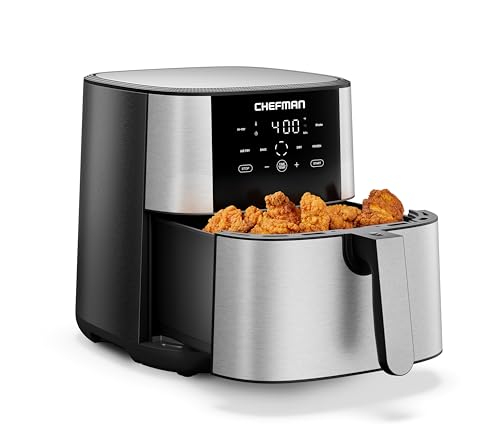
Chefman Air Fryer 8 Qt | TurboFry® 4-in-1 with 450°F Hi-Fry Option for Crispier Results | Bake, Dehydrate, Frozen | XL Nonstick Dishwasher-Safe Basket | Stainless Steel
FRY UP YOUR FAVORITES: Enjoy faster, healthier cooking for popular deep fryer foods like French fries, corn dogs,…
As an affiliate, we earn on qualifying purchases.
As an affiliate, we earn on qualifying purchases.
Compare Cooking Methods at a Glance
| Method | Temperature/Setting | Time for 1-inch thick fillet |
|---|---|---|
| Oven Baking | 375°F (190°C) | 12-15 minutes |
| Pan-Searing | Medium-high heat | 3-4 minutes per side |
| Air Fryer | 400°F (200°C) | 8-10 minutes |
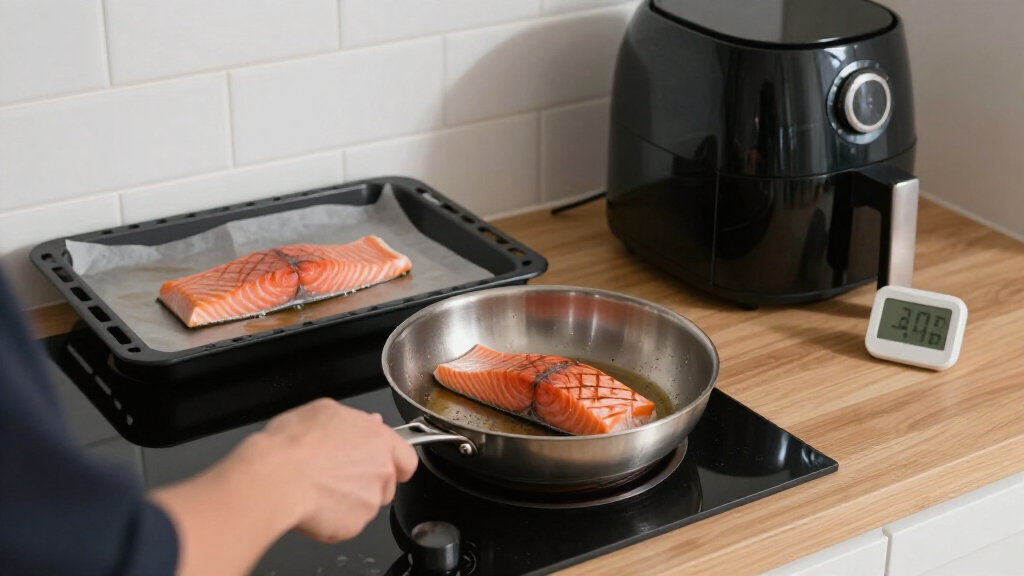
These times are guidelines; always check for flakiness and internal temperature. For example, if you’re cooking a thicker fillet—say 1.5 inches—you might add an extra 2-3 minutes for oven baking or a minute or two for air frying. Think of it like baking a cake: thicker batter takes longer to cook through. Adjust based on fillet thickness and your preferred doneness. Remember, each method influences the final texture and moisture differently. Oven baking provides even, gentle heat ideal for larger cuts; pan-searing offers flavor and crispiness but requires attention to avoid overcooking; air frying combines speed with a crispy exterior, though timing can vary based on the model. Understanding these tradeoffs helps you choose the best method for your desired outcome and ensures your salmon is perfectly cooked every time.

CAROTE Nonstick Frying Pan Skillet,Non Stick Granite Fry Pan Egg Pan Omelet Pans, Stone Cookware Chef's Pan, PFOA Free,Induction Compatible(Classic Granite, 8-Inch)
Eco-friendly Classic Granite – Non-stick Granite Material, PFOS,PFOA free, our cookware ensures your daily cooking is always safer…
As an affiliate, we earn on qualifying purchases.
As an affiliate, we earn on qualifying purchases.
Questions Home Cooks Frequently Ask About Salmon Timing
- How long does it take to cook salmon in the oven? Usually 12-15 minutes at 375°F for a 1-inch fillet. If you’ve ever baked a small loaf of bread, you know that size affects baking time—thicker pieces may need an extra 2-3 minutes. Visual cues like flakiness and internal temperature are your best guides, but using a thermometer ensures accuracy, especially for different thicknesses.
- How can I tell if salmon is done? Think of it like checking a cake—when it’s done, it should be lightly golden and flake easily with a fork. An internal temperature of about 125°F indicates perfect tenderness. Visual cues like opacity and flakiness are helpful, but a thermometer provides the most reliable indication, much like a baker uses a toothpick test for cake doneness.
- Can I cook salmon from frozen? Yes, it’s like cooking a frozen burger—just add about 50% more time. For example, if a fresh fillet takes 10 minutes, a frozen one might take 15-20 minutes at 375°F. Reaching the proper internal temp is crucial to ensure safety and good texture, much like ensuring a roast is fully cooked before serving.
- What internal temperature is safest? The USDA recommends 145°F, but many chefs prefer 125°F for tenderness. Think of it like choosing a doneness level for steak—some prefer rare, others well-done. Use a thermometer to find your ideal balance between safety and quality.
- How do I avoid overcooking? It’s like taking a cake out of the oven—remove it as soon as the internal temp hits your target. Residual heat acts like carryover cooking, finishing the job without drying out the fish. Use a digital thermometer to prevent guesswork, much like a chef checks doneness with a probe.
- Does thickness change cooking time? Absolutely. Think of it as cooking a thick pancake versus a thin one—thicker fillets need more minutes. Adjusting time based on thickness ensures even doneness without overcooking or undercooking, similar to how you might add more cooking time for a larger roast.
- Is there a difference between wild and farmed salmon? Not much—wild tends to cook slightly faster because it’s leaner, but times are similar. Recognizing these nuances helps you fine-tune your cooking process for optimal results, like adjusting cooking times based on the cut of meat.
Frequently Asked Questions
How long does it take to cook salmon in the oven?
Typically 12-15 minutes at 375°F for a 1-inch thick fillet. Thicker pieces may need a few extra minutes. Think of it like baking bread—size and thickness influence baking time. Always check for flakiness or use a thermometer for accuracy.What’s the best way to tell if salmon is cooked?
It should easily flake with a fork and reach an internal temperature of about 125°F for optimal tenderness. Visual cues like opacity and flakiness are good, but a thermometer is the most reliable—similar to checking if a cake is done by inserting a toothpick.Can I cook salmon from frozen?
Yes, but it takes about 50% longer—roughly 20-25 minutes at 375°F—and requires reaching a safe internal temperature of 145°F or higher. Think of it like cooking a frozen burger—adding a few extra minutes ensures it’s cooked through.What internal temperature should I aim for?
While the USDA recommends 145°F for safety, many chefs prefer 125°F for moist, flaky, and tender salmon. Use a thermometer to find your preferred doneness—like choosing a level of doneness for steak.How do I prevent overcooking salmon?
Use a digital meat thermometer and remove the fish as soon as it hits your target temperature. Residual heat will finish cooking, much like letting a cake rest before slicing to retain moisture.Conclusion
Perfectly cooked salmon is within your reach once you understand the timing for each method. Use a thermometer, watch for flakiness, and adjust based on thickness. That’s all it takes to turn out moist, tender, restaurant-quality fish right at home.
Next time you cook salmon, focus on that internal temp—your taste buds will thank you with every flaky, flavorful bite.