
TL;DR
Open a free Amazon Business account
Business pricing, bulk buying and tax-exempt orders.
Create a free accountAs an affiliate, we earn on qualifying purchases.
Cooking meats to the right internal temperature is key to safety and taste. Use a reliable thermometer, follow guidelines, and rest meats as recommended for best results.
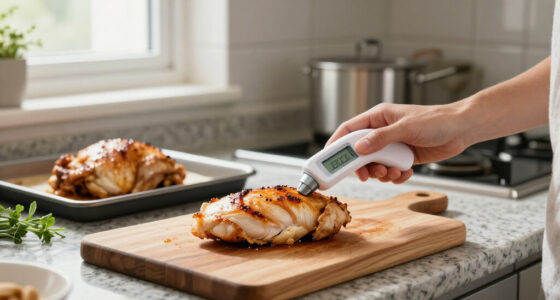
Use a reliable thermometer to verify your meat hits the recommended internal temperature.
Rest beef and pork for at least 3 minutes after reaching the target temperature to ensure safety and juiciness.
Chicken must reach 165°F for safety, but fish can be safely cooked at 145°F or until opaque and flaky.
Modern thermometers, including wireless models, make monitoring safe temperatures easier and more accurate.
Visual cues are unreliable; temperature is king for safe, perfectly cooked meat.
Why Using a Thermometer Is Your Best Safety Net
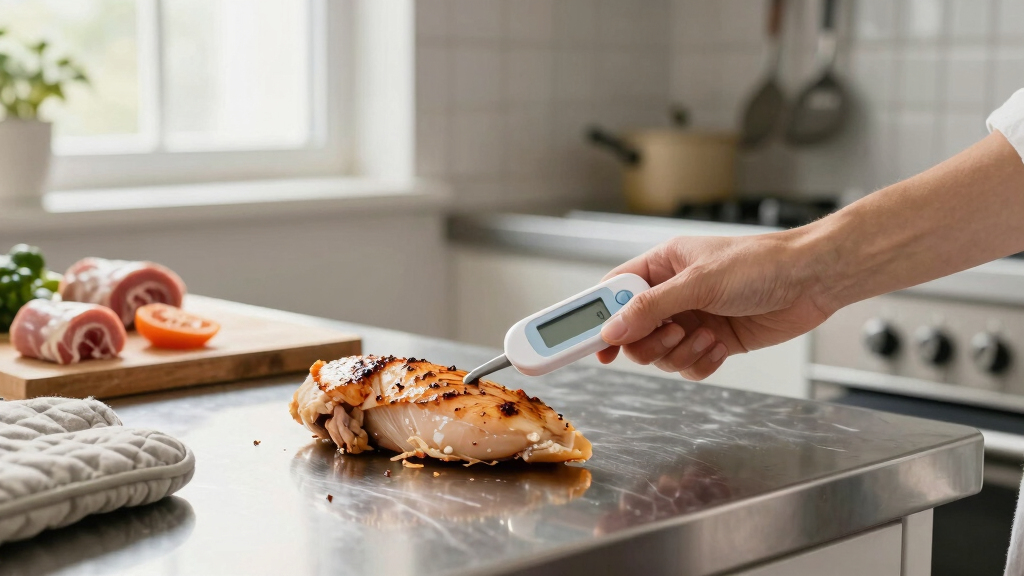
Visual cues like color or texture can deceive you. For instance, a perfectly browned chicken breast might still be under 165°F internally, which means bacteria like Salmonella could still be present. A thermometer provides a precise reading, ensuring your meat hits that critical safety threshold. This precision is crucial because relying solely on appearance can lead to dangerous undercooking, especially with meats that change color or texture as they cook. Investing in a digital instant-read thermometer costs less than a visit to the doctor for food poisoning, and it empowers you to make safer choices every time. Relying on a thermometer isn’t just about safety — it also guarantees consistent results, so your meals turn out perfectly every time, with no guesswork involved.
According to Timer Tools, relying on a thermometer reduces the risk of foodborne illness by over 90%. It’s the most reliable way to get consistent, safe results every time.

Alpha Grillers Instant Read Meat Thermometer Digital, Cooking, Food, Grill
- Instant Read Response: 2-second temperature reading
- Versatile Use: Suitable for grilling, baking, and more
- Easy-to-Read Display: Bright backlit digital screen
As an affiliate, we earn on qualifying purchases.
As an affiliate, we earn on qualifying purchases.
The Exact Temperatures You Need for Safe, Juicy Meat
Here’s what you need to know: the USDA recommends specific internal temperatures for different meats, but understanding why these numbers matter helps you appreciate their importance. For example, chicken must reach 165°F because at lower temperatures, bacteria like Salmonella can survive, posing health risks. Beef, on the other hand, can be safe at 145°F if rested properly, because different bacteria and pathogens have different heat tolerances. Pork also requires 145°F with a rest because certain parasites and bacteria are killed at this temperature, and resting ensures these pathogens are effectively eliminated. Fish is safe at 145°F or when it’s opaque and flakes easily, but the key is understanding that these temperatures are thresholds where harmful microbes are effectively destroyed, not just arbitrary numbers. Think of these as the finish line in a race — crossing it ensures both safety and optimal texture. Ignoring these temperatures can lead to foodborne illnesses or less tender, overcooked results, so respecting these guidelines is essential for both health and culinary success.

ThermoMaven Sub-1G Smart Wireless Meat Thermometer with Standalone Base
- Smart Display with Control: Real-time temperature readings and settings
- Easy One-Click Setup: Quickly connect probe and pair device
- Long-Range Connectivity: Monitor from up to 3000 feet away
As an affiliate, we earn on qualifying purchases.
As an affiliate, we earn on qualifying purchases.
How to Perfectly Measure Internal Temperature in 3 Easy Steps
- Insert the thermometer into the thickest part of the meat, avoiding bone or fat, because these can give false readings or insulate parts of the meat, leading to inaccurate results. Proper placement ensures you measure the area most likely to be undercooked.
- Wait until the needle stabilizes, usually a few seconds for instant-read thermometers. Rushing this step can lead to misjudging the true temperature, which might result in under- or overcooking.
- Remove the meat from heat once it reaches the target temperature, then let it rest for safety and juiciness. Resting allows residual heat to evenly distribute, completing the cooking process and killing any lingering bacteria. For example, when cooking a roast beef, inserting the thermometer into the center ensures you’re measuring the most critical point. Once it hits 145°F, take it off and let it rest. During resting, the temperature can climb a few more degrees, finishing the job safely and perfectly. This step is crucial because it ensures the entire piece reaches the safe temperature uniformly, preventing cold spots or bacterial survival.
Mastering these steps guarantees you measure accurately, cook safely, and enjoy juicy, properly cooked meats every time.
Alpha Grillers Instant Read Meat Thermometer Digital, Cooking, Food, Grill
- Instant Read Response: 2-second temperature reading
- Versatile Use: Suitable for grilling, baking, and more
- Easy-to-Read Display: Bright backlit digital screen
As an affiliate, we earn on qualifying purchases.
As an affiliate, we earn on qualifying purchases.
Resting: Why It Matters and How to Do It Right
Resting isn’t just about waiting — it’s a safety step and a quality enhancer. For beef and pork, resting for **at least 3 minutes** allows any residual bacteria on the surface to be killed by the heat remaining in the meat. This process also gives juices time to redistribute evenly throughout the cut, resulting in a more tender, flavorful bite. Skipping this step can lead to uneven temperatures and potential bacterial survival if the meat isn’t cooked long enough. For example, slicing into a hot steak immediately after cooking can cause juices to run out, leaving the meat dry and less flavorful. Resting locks in those juices and ensures the entire piece reaches a uniform temperature, reducing the risk of bacteria surviving in undercooked spots. Proper resting is a simple but crucial step that enhances both safety and eating quality, making your meats safer and more pleasurable to eat.
Alpha Grillers Instant Read Meat Thermometer Digital, Cooking, Food, Grill
- Instant Read Response: 2-second temperature reading
- Versatile Use: Suitable for grilling, baking, and more
- Easy-to-Read Display: Bright backlit digital screen
As an affiliate, we earn on qualifying purchases.
As an affiliate, we earn on qualifying purchases.
Comparison Table: Safe Temperatures for Common Meats
| Meat Type | Safe Internal Temp | Rest Period |
|---|---|---|
| Chicken | 165°F | Not needed for safety |
| Beef (Steaks, Roasts) | 145°F | 3 minutes |
| Pork | 145°F | 3 minutes |
| Fish | 145°F | Not needed |
Latest Trends: How Modern Thermometers Help You Cook Safer and Better
Newer thermometers, like wireless probes and instant-read digital models, make it easier than ever to check temperatures. They beep when your meat hits the target, so you don’t have to watch the clock or guess. This technology reduces overcooking and keeps your meats safe. The convenience of these devices also encourages more consistent use, which is critical because even a slight deviation from recommended temperatures can compromise safety or texture. Wireless probes, for example, can stay in the meat during cooking, sending real-time updates to your phone, so you can monitor progress without opening the oven or grill. This reduces temperature fluctuations and prevents overcooking, helping you achieve perfectly cooked, safe meats every time. These innovations are transforming home cooking, making safety and quality more accessible and manageable than ever before.
Food Safety Rules You Can’t Ignore
Never rely solely on color or texture. These can be deceptive, especially with meats like poultry or pork that may appear cooked but still harbor bacteria. Always verify with a thermometer; it’s the only reliable method to ensure safety. Cook meats to the recommended temperature, then rest as needed. This kills bacteria and ensures even doneness. For example, a chicken that looks cooked on the outside might still be under 165°F internally, risking Salmonella. Overcooking can lead to dry, tough meat, so using a thermometer helps balance safety with quality. Remember, the goal is to reach the safe temperature and hold it long enough to eliminate pathogens, which is why following these rules is essential for both health and culinary success.
Frequently Asked Questions
Why do I need to use a thermometer instead of just judging doneness visually?
Visual cues like color or texture can be misleading. A thermometer provides an exact temperature, ensuring your meat is both safe and perfectly cooked every time.Can I eat chicken or pork if it’s slightly under the recommended temperature?
No. Undercooked poultry and pork can harbor harmful bacteria like Salmonella or Trichinella. Always cook to the recommended internal temperatures for safety.How long should I rest my meat after reaching the target temperature?
Typically, 3 minutes for beef and pork. Resting allows residual heat to kill bacteria and improves tenderness. Chicken and fish usually don’t require resting for safety but can benefit from brief resting for flavor.Are there different temperature recommendations for different cuts or cooking methods?
The USDA provides general guidelines, but some cuts or methods—like sous-vide—may have specific protocols. Always follow recommended temps for safety and best results.What types of thermometers are best for home cooking?
Digital instant-read thermometers, probe thermometers, and wireless models are popular. Choose one that’s accurate, easy to read, and suits your cooking style.Conclusion
Cooking to the right internal temperature isn’t just a safety step — it’s your secret to juicy, flavorful meats every time. Invest in a good thermometer, follow the numbers, and let your kitchen be a safe, delicious playground. Your taste buds and health will thank you for it.Back to school Picks
back to school
As an affiliate, we earn on qualifying purchases.