TL;DR

Get kitchen gear delivered free with Prime
- Fast, free delivery on millions of items
- Prime Video, Amazon Music and more included
- Member-only deals all year
Airtight containers prevent air from entering, keeping food fresh, while leakproof containers stop liquids from spilling. Many modern containers combine both features, but their effectiveness depends on seal quality and design.
Ever opened your fridge to find baked goods gone stale faster than expected, or struggled to carry soup without a mess? The secret often lies in the seal. Understanding the difference between airtight and leakproof containers can transform your food storage game. It’s not just about keeping things fresh—it’s about choosing the right container for the right job, whether you’re prepping meals, storing leftovers, or taking snacks on the go.
In this guide, you’ll learn exactly how these seals work, what to look for, and how recent innovations make storage safer and more convenient. Knowing these details means fewer spills, longer-lasting food, and less waste. Ready to get your storage game airtight and leakproof? Let’s dive in.
Airtight containers prevent oxygen from spoiling food, extending freshness and shelf life.
Leakproof containers are essential for transporting liquids and messy foods without spills.
The best seals combine high-quality gaskets with locking clips or screw-on lids.
Test your containers regularly to ensure they truly are airtight or leakproof.
Matching the seal type to your specific storage needs prevents waste and mess.
What’s the real difference between airtight and leakproof? Here’s the quick version
Airtight containers prevent air from getting in or out, which significantly slows down oxidation and moisture loss. This is crucial for preserving the flavor, texture, and nutritional quality of your food, especially for items like baked goods or dried herbs. Leakproof containers are designed to contain liquids securely, preventing spills during transport and handling. This feature is vital when carrying soups, smoothies, or sauces that could otherwise create a mess or waste.
While they overlap, not all airtight containers are leakproof, and vice versa. For example, a jar with a screw lid might be airtight but leak if the gasket isn’t tight enough, risking spills if tipped over. Conversely, a plastic container with locking clips may hold liquids well but might not prevent air exchange, leading to faster spoilage. Recognizing these differences helps you select containers that suit your specific storage needs—whether extending freshness or preventing messes during transport.
As an affiliate, we earn on qualifying purchases.
How do seal types work? The nuts and bolts behind airtight and leakproof
Seal mechanisms are the cornerstone of effective food storage. They determine whether a container keeps air out, liquids in, or both. Here’s a deeper look at how different seal types function and their implications:
- Gaskets or seals: Typically made of silicone or rubber, these fit snugly around the lid edge, creating a barrier against air and liquid escape. The quality and material of the gasket directly influence the seal’s effectiveness. For instance, a worn or cracked gasket may fail to prevent air exchange or leaks, leading to spoiled food or spills. The tradeoff is that cheaper gaskets may degrade quickly, requiring frequent replacement, which can be inconvenient and add to long-term costs. Properly designed gaskets can compensate for minor imperfections in lid fit, making the container more reliable over time.
- Locking clips or latches: These mechanically clamp the lid onto the container, pressing the gasket evenly to ensure a tight seal. The strength and durability of these clips determine how well they maintain pressure through repeated use. Weak or plastic clips may loosen, compromising the seal, especially under stress or temperature changes. The tradeoff here involves durability versus ease of use—robust clips might be less convenient but more reliable. The combination of clips and gasket design often dictates whether a container is both airtight and leakproof, highlighting the importance of quality construction.
- Screw-on lids: When paired with a high-quality gasket, screw caps can create an exceptionally tight seal, ideal for preserving foods like jams or pickles. The precision of threading and gasket compression are critical; misaligned threads or damaged gaskets reduce sealing effectiveness, risking leaks or air infiltration. The advantage is a very secure seal, but the tradeoff is that screw lids can be less convenient for quick access or frequent opening.
- Snap-on or press-fit lids: These are easier to use but generally less secure for liquids unless reinforced with gaskets or locking mechanisms. Their effectiveness depends heavily on the gasket’s quality and the fit of the lid. Poorly fitting snap lids can lead to leaks, especially during transportation. The tradeoff is simplicity versus security—snap lids are quick but may not be suitable for liquids or long-term storage of perishable items.
- Special valves: Some containers feature pressure-release or vacuum valves, which actively manage internal pressure. These are especially useful for fermenting foods or carbonated beverages, where pressure buildup can be dangerous or cause leaks if not controlled. Proper valve function ensures safety and maintains seal integrity over time. The tradeoff involves added complexity and cost but offers enhanced safety and freshness control.
Understanding how these mechanisms work helps you choose the right container for your needs. For example, a sturdy gasket combined with locking clips often provides the most reliable airtight and leakproof performance, but tradeoffs include cost and complexity. Recognizing the importance of seal design can prevent mishaps and extend the lifespan of your containers.
leakproof plastic containers for liquids
As an affiliate, we earn on qualifying purchases.
As an affiliate, we earn on qualifying purchases.
The latest tech in seals — are they really better?
Recent innovations in sealing technology aim to enhance performance, durability, and user convenience. Here’s a closer look at what’s new and why it matters:
- Better gasket materials: Modern food-safe silicone and rubber blends resist cracking, tearing, and degradation over time, maintaining a consistent seal without needing replacement. This durability directly impacts how long your food remains fresh and how reliably your container prevents leaks. The tradeoff is often a higher initial cost, but the long-term savings and peace of mind make it worthwhile.
- Locking mechanisms: Improved clips and latches now feature stronger, more resilient designs that stay secure after repeated opening and closing. This reduces the risk of accidental spills and ensures the container maintains its seal during transport or storage. The benefit is increased longevity and reliability, though some may find the mechanisms slightly more complex to operate.
- Smart seals: Emerging technology includes containers with sensors or indicators that monitor seal integrity or freshness. For example, color-changing indicators alert you if the seal has been compromised, helping prevent food spoilage or leaks before they happen. The implication is greater confidence in your storage, but the tradeoff can be higher costs and potential technical failures.
- Sustainable options: Eco-friendly plastics and biodegradable gaskets are now available without sacrificing performance. These options appeal to environmentally conscious consumers who want reliable seals while reducing environmental impact. The tradeoff might include slightly increased costs or limited availability for certain sizes or styles.
For instance, some brands now incorporate built-in pressure indicators that turn color when the seal weakens, providing real-time feedback and reducing guesswork. Such innovations can save time, prevent spills, and prolong the freshness of stored foods, making them a worthwhile investment for those seeking both convenience and sustainability. The key is understanding that these advancements often address common seal failures, offering more dependable performance over time.
As an affiliate, we earn on qualifying purchases.
Can a container be both airtight and leakproof? The perfect combo
The answer is a resounding yes. Modern container designs often combine the strengths of both features to meet diverse storage needs. This combination is especially important for those who want to transport liquids safely while maintaining freshness. Look for containers that incorporate:
- Secure locking clips or latches that press the lid firmly against the gasket, ensuring a tight seal that prevents both air exchange and leaks.
- High-quality silicone gasket that remains flexible and resistant to wear, maintaining a reliable barrier over time.
- Tight-fitting lids or screw caps designed with precision threading for an extra layer of security against spills and spoilage.
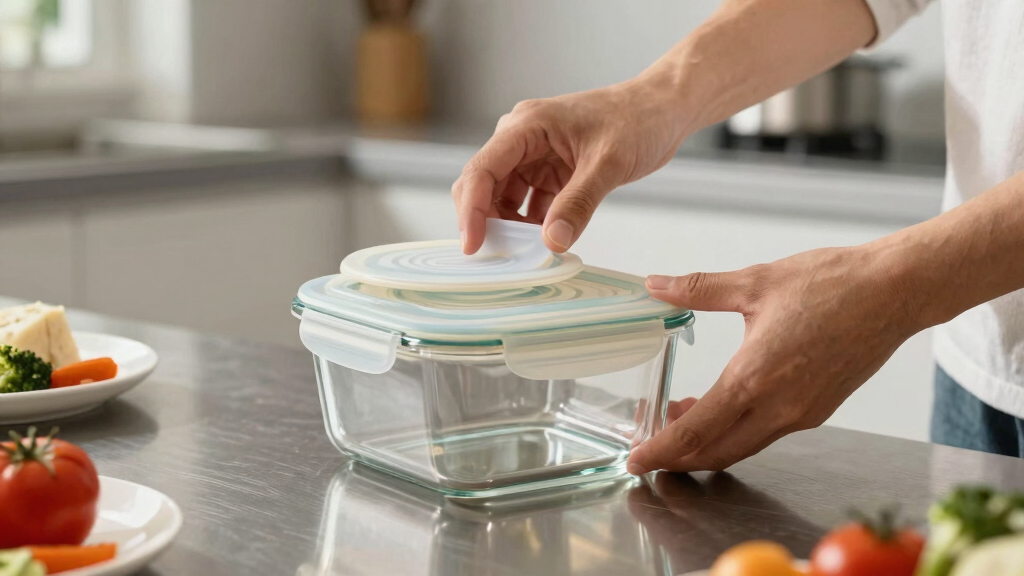
For example, a glass meal prep container with a silicone gasket and locking clips can handle hot soups or salads with dressing, both keeping the contents fresh and preventing messes during transport. Many brands market these as “airtight and leakproof,” making them versatile for busy lifestyles, travel, and storage.
However, not all containers claiming to be both truly pass rigorous testing. Factors such as gasket quality, lid fit, and material durability influence real-world performance. Always check reviews, perform your own water test, and look for certifications or labels confirming leakproof and airtight standards to ensure you get the most reliable container for your needs.
As an affiliate, we earn on qualifying purchases.
How to test if your containers really are leakproof or airtight
Want to confidently verify your containers’ sealing abilities? Here’s a simple, effective method that mimics real-world use:
- Fill the container with water up to the brim, ensuring no air bubbles are trapped.
- Seal it tightly, making sure the gasket is properly seated and locking clips or screw caps are secure.
- Turn the container upside down or tilt it at various angles to simulate movement during transport.
- Observe carefully for any leaks, drips, or water escaping from the seal area.
If no water escapes, your container likely has a good leakproof seal. If the water remains stable and no air escapes during these tests, it’s probably airtight. Conduct these checks periodically, especially after cleaning or re-sealing, to ensure ongoing performance. For added assurance, perform the test with different liquids or at different temperatures, since some seals may behave differently under stress or temperature variations.
Keep in mind that warping, cracks, or degraded gaskets can compromise seals over time, so regular inspection and replacement are key to maintaining optimal performance.
Choosing the right container for your needs: Quick guide
Pick your container based on what you store and how you plan to use it. Matching the seal type to your specific needs ensures efficiency and prevents waste or mess:
| Use Case | Best Seal Type | Container Type |
|---|---|---|
| Dry pantry items (spices, grains) | Airtight | Plastic or glass jar with screw lid |
| Transporting liquids (soups, smoothies) | Leakproof | Containers with locking clips and gasket |
| Meal prep for the week | Both | BPA-free plastic or glass with secure lid |
| Travel or messy foods | Leakproof | Seal-tight, locking containers |
Choosing the right seal type based on your specific use case minimizes spills, preserves freshness, and reduces waste. Think about whether your priority is preventing air exposure, containing liquids, or both, and select a container designed accordingly. This tailored approach results in more reliable storage, fewer accidents, and longer-lasting food quality.
Frequently Asked Questions
Can I use an airtight container for liquids?
Yes, but only if it’s also designed to be leakproof. Look for containers with locking clips or screw-on lids combined with a gasket for best results. Otherwise, even airtight containers might leak if the seal isn’t tight enough.How often should I replace seals or gaskets?
Check them every few months, especially if you notice cracks, tears, or loss of flexibility. Worn seals can compromise both airtightness and leakproofing, so replacing them keeps your containers performing well.Are glass containers better than plastic for sealing?
Glass often offers a more durable, chemical-free seal, especially with high-quality silicone gaskets. Plus, glass is less likely to stain or retain odors. But ensure the lid design matches your needs for airtight or leakproof performance.What’s the best way to clean gasket seals?
Remove the gasket and wash it with warm, soapy water regularly. Avoid harsh abrasives or dishwasher cycles that can degrade rubber or silicone. Dry thoroughly before reassembling to maintain a tight seal.Conclusion
Choosing the right seal isn’t just about convenience—it’s about protecting your food, cutting waste, and making life easier. Whether you need to keep snacks fresh or transport a bowl of soup without spills, understanding seal types helps you pick smarter. Remember: a good seal is your secret weapon for tidy, fresh, and safe storage—so invest in quality and test often.
Next time you pack a lunch or organize your pantry, think about what you need from your containers. That tiny gasket or clever latch can make a huge difference. Keep your food fresh, your spills contained, and your kitchen running smoothly.
Halloween Picks
halloween
As an affiliate, we earn on qualifying purchases.