TL;DR

Get kitchen gear delivered free with Prime
- Fast, free delivery on millions of items
- Prime Video, Amazon Music and more included
- Member-only deals all year
Most cooked meal-prepped foods stay safe for 3-4 days in the fridge. Proper storage, labeling, and checking for spoilage signs prevent food poisoning. Freezing extends shelf life, but always reheat thoroughly.
Imagine opening your fridge and grabbing a container of last night’s stir-fry. It smells fine, looks good. But how long can you really keep that in the fridge before it turns risky? That’s what this guide is for. You want to enjoy your meal preps without the worry of food poisoning or wasting leftovers.
Understanding how long meal-prepped foods stay fresh is key to keeping your kitchen safe and minimizing waste. From meats and grains to salads and dairy, the rules vary. Let’s break down the real-world timelines and tips you need to keep your meals safe and tasty.
Most meal preps last 3-4 days in the fridge, with grains and pasta stretching to 5 days if stored properly.
Always label containers with the prep date, and store at or below 40°F (4°C) to slow bacterial growth.
Look for signs of spoilage—sour smell, slimy texture, discoloration—before eating leftovers.
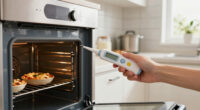
Reheat leftovers to 165°F (74°C) and avoid multiple reheating cycles.
Freezing expands your meal prep window to months, but some foods like salads don’t freeze well.
How Long Can You Keep Different Types of Meal Preps in the Fridge?
The shelf life of meal preps depends mainly on their ingredients. Cooked meats, for example, usually last 3-4 days. Cooked grains like rice or pasta can stretch a little longer—up to 5 days if stored properly. Fresh salads with leafy greens are a different story—only 1-2 days before they start to wilt and spoil.
Here’s a quick rundown:
| Food Type | Maximum Safe Storage Time |
|---|---|
| Cooked meats (chicken, beef, pork) | 3-4 days |
| Cooked vegetables | 3-4 days |
| Cooked grains & pasta | 4-5 days |
| Dairy-based dishes | 3-4 days |
| Fresh salads | 1-2 days |
Knowing these timelines helps you plan your meals better, reducing waste and avoiding the risk of eating spoiled food. For example, eating meat or dairy beyond their safe window can lead to foodborne illnesses, which might seem minor at first but can cause serious health issues. Conversely, eating too soon might mean missing out on flavors that develop with time, especially in marinated or seasoned dishes. Balancing these considerations helps optimize both safety and flavor.
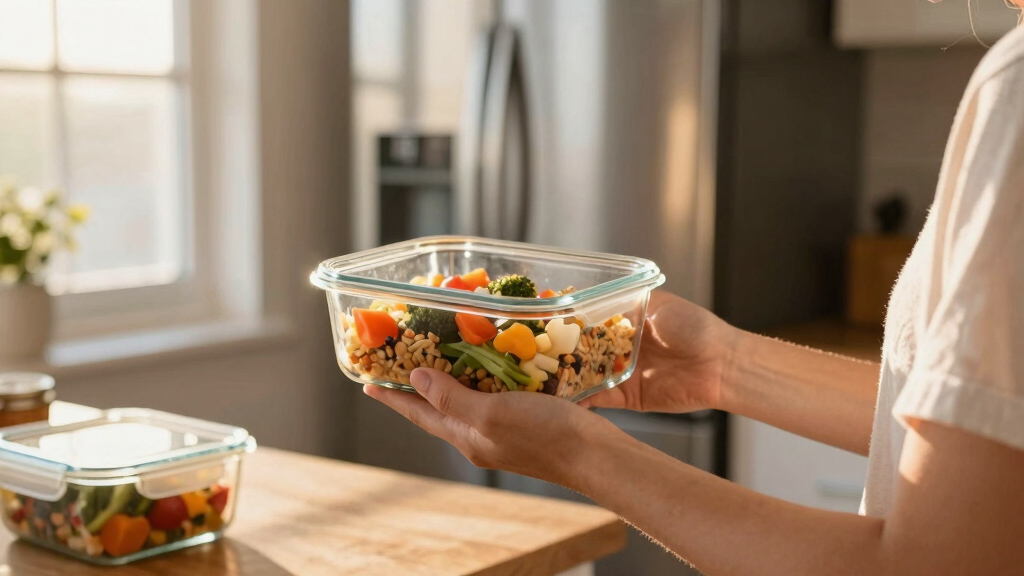
Always label your containers with the prep date. It’s easy to forget how long food has been sitting, and clear labels help you make informed decisions quickly, reducing the temptation to guess or accidentally eat spoiled food.
As an affiliate, we earn on qualifying purchases.
Why Proper Storage Makes All the Difference
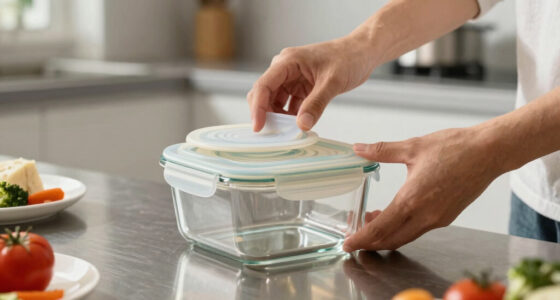
Storing your meal preps correctly can extend their safe life and keep flavors fresh. Airtight containers prevent moisture loss and contamination, which are key factors in spoilage. When moisture gets in or out, it can create an environment conducive to bacteria and mold. Keeping your fridge at or below 40°F (4°C)—the temperature at which bacterial growth slows—is equally critical. If the temperature rises even slightly, bacteria can multiply rapidly, increasing the risk of foodborne illnesses.
For example, I once stored leftover chicken in a plastic container that wasn’t airtight. It started to develop a sour smell after just two days. Switching to a vacuum-sealed bag kept it fresh for an extra day or two, demonstrating how proper sealing can significantly delay spoilage. The tradeoff is convenience versus safety: airtight, vacuum-sealed storage might take more effort but provides peace of mind and longer shelf life.
Tip: Always put the newest food at the back of the fridge. Use the front for items you plan to eat sooner. This simple habit helps prevent accidental consumption of spoiled items and keeps your fridge organized for quick access.
Understanding the science behind storage methods empowers you to make choices that extend freshness. For example, marinating meat in an airtight container not only enhances flavor but also minimizes the risk of bacteria growth compared to leaving it exposed.
As an affiliate, we earn on qualifying purchases.
Spotting Spoilage: How to Know Your Food Is Going Bad
Even if it’s been in the fridge a few days, your food might not be safe. Look for a sour, off smell—particularly with meats and dairy. Slimy or sticky textures are red flags that bacteria and mold are thriving, which can lead to food poisoning. Discoloration or mold are obvious signs it’s time to toss, but some spoilage signs are subtle. For instance, a change in smell or texture can occur before visible mold appears, so trusting your senses is key.
Once, I made the mistake of eating a pasta salad that looked fine but had a faint sour smell. It made me sick because I ignored the warning signs. Food with any unusual odor, sliminess, or discoloration should be discarded immediately, as consuming spoiled food can cause nausea, vomiting, or worse. The implications of eating spoiled food extend beyond discomfort; they can lead to serious illnesses such as Salmonella or E. coli infections. Recognizing spoilage signs early helps prevent these health risks and saves you from unnecessary medical expenses.
Remember: bacteria like Salmonella and E. coli grow rapidly above 40°F. Spoiled food can cause serious illness, so when in doubt, throw it out. Your health is worth more than the cost of a new meal or a trip to the doctor.
As an affiliate, we earn on qualifying purchases.
Frequently Asked Questions
How can I tell if my meal-prepped food is still safe to eat?
Check for sour or off smells, slimy textures, discoloration, and mold. If any of these signs appear, it’s safer to discard the food. When in doubt, follow the 4-day safety rule for most cooked foods.
Can I freeze my meal preps to make them last longer?
Absolutely. Freezing can extend safe storage from 3-4 days to 3-6 months. Use airtight containers or vacuum-seal bags, and label with the date. Remember, some foods like salads don’t freeze well and should be eaten fresh.
What’s the best way to reheat leftovers without ruining them?
Reheat leftovers to an internal temperature of 165°F (74°C). Use a microwave with stir or rotate food during heating. Avoid multiple reheats—each cycle raises risk of bacterial growth and quality loss.
Are there foods that last longer in the fridge than others?
Yes. Cooked grains and pasta can last up to 5 days, while fresh salads with greens may only last 1-2 days. Proteins like cooked chicken are best consumed within 3-4 days to stay safe.
How long can leftovers safely stay in the fridge before I need to toss them?
Most leftovers are safe for 3-4 days. Beyond that, the risk of bacterial growth increases significantly. Use your senses and err on the side of caution.
As an affiliate, we earn on qualifying purchases.
Conclusion
Storing meal preps safely isn’t just about following rules—it’s about protecting your health and reducing waste. Keep your fridge cold, label everything, and trust your senses.
Next time you grab that container, ask: Is it still good? If in doubt, toss it. Fresh, safe meals make your cooking smarter and your life easier.
Halloween Picks
halloween
As an affiliate, we earn on qualifying purchases.