
TL;DR
Listen free for 30 days with Audible
Thousands of audiobooks and originals — cancel anytime.
Start your free trialAs an affiliate, we earn on qualifying purchases.
Vacuum sealing can boost your food’s shelf life by 2-5 times, mainly by removing air and slowing spoilage. Using the right equipment and techniques ensures safety and maximum freshness, especially when freezing or storing long-term.
Imagine opening your fridge and seeing a bag of strawberries still vibrant and firm after two weeks. That’s the magic of vacuum sealing. It’s not just about keeping food fresh longer — it’s about making your kitchen smarter, reducing waste, and saving money. But how does it really work? And what are the safe practices to get the most out of it?
This guide is your straightforward look at vacuum sealing basics. You’ll learn how to do it right, what equipment works best, and tips to keep your food safe. Whether you’re prepping for the week or long-term storage, understanding these essentials makes all the difference.
Vacuum sealing extends food freshness by removing air, slowing spoilage, and preventing freezer burn.
Choosing the right sealer (external vs. chamber) depends on your storage needs and volume.
Always prepare and handle food properly, especially liquids, to avoid leaks and contamination.
Latest tech improves safety and convenience, from moisture sensors to eco-friendly bags.
Vacuum sealing isn’t a replacement for good hygiene or cooking — it’s a preservation tool that works best when combined with proper food safety practices.
What is vacuum sealing and why does it keep food fresh?
Vacuum sealing is the process of removing all air from a specially designed plastic bag or container before sealing it tight. Without air, bacteria and mold have less chance to grow, and oxidation slows down. This process essentially halts or significantly slows the natural decay process that leads to spoilage. The importance of this is twofold: it extends the edible life of foods and preserves their nutritional quality, flavor, and texture. When food is exposed to oxygen, it not only accelerates microbial growth but also causes oxidation, which can degrade fats and vitamins, leading to rancidity and loss of nutritional value. Therefore, by limiting oxygen exposure, vacuum sealing helps maintain the food’s original qualities longer, saving you money and reducing waste. The tradeoff is that vacuum sealing isn’t a sterilization method; it merely slows spoilage, so proper handling and storage still matter. Additionally, some foods require specific techniques—like partial freezing or special bags—to prevent leaks or spoilage, especially with high moisture or liquid content.
Think about a bag of chips: once opened, they go stale quickly due to air exposure. Vacuum sealing mimics that airtight environment, but for your entire fridge or freezer. A good example: vacuum-sealed strawberries stay firm and bright for up to two weeks, while regular storage might see them slimy or moldy after just a few days.

Vacuum Sealer Machine 75KPa, 6-in-1 Dry/Moist Modes, Digital Timer
- 6-in-1 Functionality: Includes cutter, vacuum, seal, and external vacuum modes
- Moist & Dry Modes: Optimizes freshness for different food types
- Digital Timer: Precise countdown for consistent sealing
As an affiliate, we earn on qualifying purchases.
As an affiliate, we earn on qualifying purchases.
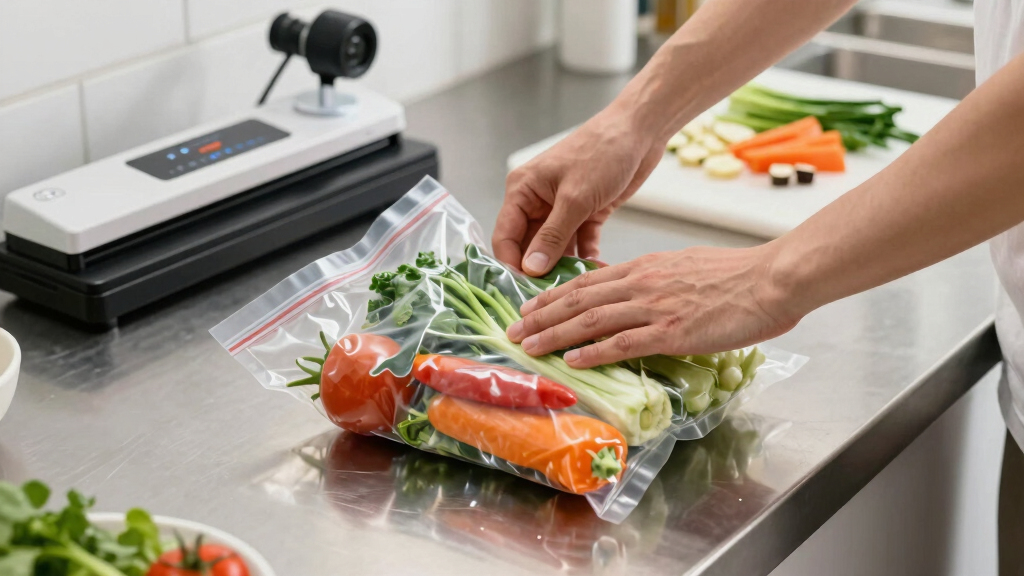
How to vacuum seal food properly in 3 simple steps
- Prepare your food: Clean, dry, and cut into usable portions. For liquids or juicy produce, freeze partially first. This step is crucial because moisture and liquids can interfere with the sealing process. Proper preparation prevents leaks and ensures a tight seal. For example, partially freezing liquids creates a firmer mass that is less likely to puncture the bag or interfere with the vacuum process, which enhances both safety and effectiveness.
- Place in the bag: Leave enough space at the top for sealing. Remove as much air as possible with your sealer’s vacuum function. Ensuring minimal air in the package is key to maximizing the benefits of vacuum sealing. The more air you remove, the slower oxidation and microbial growth occur, directly impacting how long your food stays fresh. Properly leaving space at the top prevents the bag from being overfilled, which can cause the seal to fail or leak.
- Seal tightly: Use the machine to create a secure, wrinkle-free seal. Double-check for leaks or folds that might compromise freshness. A good seal is the backbone of effective vacuum sealing. Folds or incomplete seals can allow air back into the package, negating the benefits. Label your bags with date and contents immediately—this helps track freshness and prevents accidental consumption of spoiled food. Over time, knowing exactly when and what you stored allows for better inventory management and reduces waste.

Syntus 150 Pcs Vacuum Sealer Bags for Food, 8×12+11×16+6×10, BPA Free
- Compatibility: Works with all desktop vacuum sealers
- PreCut Design: Includes 150 pre-cut bags in three sizes
- Durable Material: Made from puncture-resistant 4 mil high-tenacity material
As an affiliate, we earn on qualifying purchases.
As an affiliate, we earn on qualifying purchases.
Comparing vacuum sealers: Which type suits your needs?
| Type | Best for | Advantages | Limitations |
|---|---|---|---|
| External (Handheld) | Small jobs, occasional use | Compact, affordable, easy to store | Less powerful, smaller bags, not ideal for liquids |
| Chamber Sealer | Frequent use, bulk packaging, liquids | Heavy-duty, handles liquids well, stronger seals | Costlier, larger, requires more space |
For casual or occasional use, an external sealer offers convenience and affordability. For those preserving large quantities or dealing with liquids regularly, investing in a chamber model ensures consistency and safety. Recognizing your needs will help you select the most effective equipment for your food preservation goals.
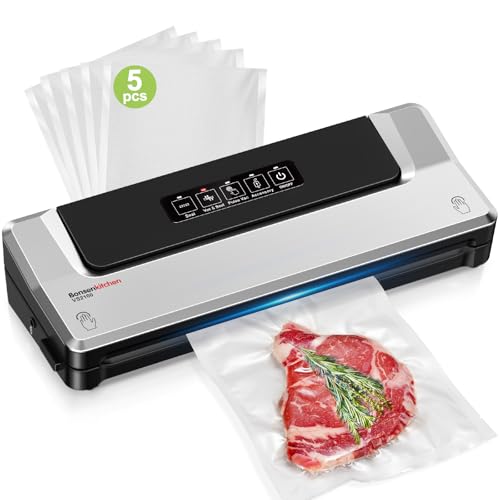
Bonsenkitchen Vacuum Sealer Machine, Multiple Modes For Meal Prep,Silver
- Four Operating Modes: Vac & Seal, Pulse Vac, Seal, Accessory
- Efficient Food Preservation: Seal up to 30 bags in 15 minutes
- Multi-Function Kitchen Tool: Suitable for sous vide, freezer, and storage
As an affiliate, we earn on qualifying purchases.
As an affiliate, we earn on qualifying purchases.
Food safety tips you must follow when vacuum sealing
- Clean and dry: Always rinse produce and dry thoroughly to prevent mold and bacterial growth, which thrive in moist environments. Proper cleaning reduces the risk of contamination and spoilage, especially if the food will be stored for long periods. Moisture left on food surfaces can also interfere with the sealing process, leading to leaks and compromised packages, which can then become breeding grounds for bacteria.
- Use the right bags: Only use bags approved for vacuum sealing to avoid leaks, toxins, or bag failure. Using incompatible or low-quality bags can result in punctures, leaks, or chemical leaching, which pose health risks. Investing in high-quality, food-grade bags ensures a tight seal and maintains food safety, especially when storing perishables for extended periods.
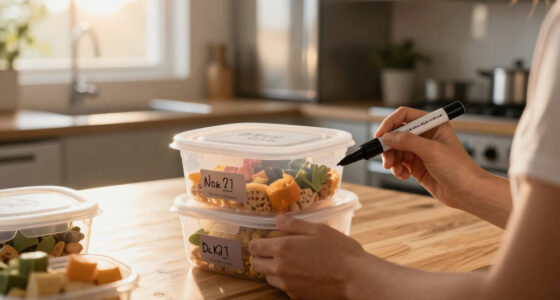
- Label everything: Write date and contents immediately. This practice is critical for tracking freshness, especially when storing multiple items. Proper labeling helps prevent accidental consumption of spoiled or outdated food, reduces waste, and simplifies inventory management. It also encourages consistent food safety practices, such as using older stock first.
- Avoid sealing spoiled foods: Check for signs of spoilage—such as off-odor, discoloration, or sliminess—before sealing. Vacuum sealing does not kill bacteria or mold; it only slows their growth. Sealing spoiled food can trap bacteria and toxins, increasing health risks. Always prioritize freshness and safety over convenience.
- Handle liquids carefully: Freeze liquids partially before sealing or use chamber sealers to prevent punctures. Excess moisture can cause leaks, contamination, or damage to the sealer. Proper handling of liquids ensures a secure seal and maintains the integrity and safety of the stored food.

FRESKO Vacuum Sealer Machine with Automatic Bag Detection, Compact Design
- Automatic Operation: Includes pre-cut bags and multiple modes
- Powerful Double Pump: 95KPA suction for secure sealing
- High-Speed Sealing: Seals up to 30 bags in 15 minutes
As an affiliate, we earn on qualifying purchases.
As an affiliate, we earn on qualifying purchases.
Latest tech improvements making vacuum sealing safer and easier
New vacuum sealers now come with smart features that make sealing safer and more reliable. Some models sync with smartphone apps to monitor sealing progress, alert for leaks, or even adjust for different food types. This connectivity allows users to receive real-time feedback and troubleshoot issues promptly, reducing the risk of improperly sealed packages that could spoil or leak. Enhanced seal strength, achieved through improved sealing mechanisms and materials, means fewer leaks and longer-lasting packages, which directly translate into better preservation and safety.
Advanced sensors that detect moisture and other variables help prevent punctures or incomplete seals when sealing liquids or soft foods. This technology minimizes waste and ensures safety by reducing the chances of bacterial contamination. Eco-friendly options, like biodegradable bags, are also growing in popularity, helping reduce plastic waste and environmental impact. Multi-function devices, which include features like marinating, sous vide cooking, and canister sealing, turn your kitchen into a versatile food preservation hub. These innovations not only improve safety but also expand the range of foods and techniques you can use, making vacuum sealing more accessible and effective for everyday cooks.
According to Timer Tools, these technological advancements empower home cooks to seal with confidence, knowing they are extending freshness, maintaining safety, and reducing waste through smarter, more reliable equipment.
What foods benefit most from vacuum sealing?
Almost everything, but especially meats, berries, and leftovers. For example, a family of four can vacuum-seal a bulk pack of chicken breasts and store them in the freezer for up to 3 years — much longer than traditional wrapping. This extended shelf life is crucial for reducing food waste and ensuring you always have fresh protein on hand. Fruits like blueberries, raspberries, and sliced apples stay fresh and firm for weeks longer because vacuum sealing minimizes oxygen exposure that causes spoilage and enzymatic breakdown. Cooked leftovers, when vacuum sealed properly, can stay safe and tasty for 1-2 weeks in the fridge, or months in the freezer, which helps reduce daily waste and makes meal prep more efficient. However, high-moisture foods like soft cheeses or ripe tomatoes need special handling, such as partial freezing before sealing, to prevent leaks and spoilage. Recognizing which foods benefit most allows you to prioritize vacuum sealing for those items, maximizing freshness and minimizing waste.
How long can vacuum-sealed food last in the freezer?
Vacuum-sealed foods last 2-5 times longer in the freezer than traditional storage, which is a game-changer for meal planning and reducing waste. For instance, vacuum-sealed steak can stay good for 1-3 years, compared to 6-12 months with conventional wrapping. This significant extension means you can buy in bulk, portion it out, and store it for long-term use without sacrificing quality. Fruits and vegetables, when vacuum sealed, can stay fresh for 1-2 years—a substantial increase from the 6-12 months typical of regular bags—helping you enjoy seasonal produce year-round. Always label your bags with the date of sealing to keep track of storage times, rotate older stock to the front, and prevent freezer burn or spoilage. Proper sealing and freezing practices are essential for maintaining both safety and quality, ensuring your food remains nutritious and flavorful over extended periods.
Common questions about vacuum sealing — answered!
- Is vacuum sealing safe for all foods? Mostly yes, but soft cheeses, fresh produce, and liquids require specific techniques or special bags to prevent spoilage, leaks, or contamination. For example, delicate cheeses may need partial freezing or special barrier bags to maintain texture and safety. Fresh produce benefits from being cleaned and dried thoroughly, and liquids should be frozen partially before sealing or handled with chamber sealers to avoid punctures. Understanding these nuances ensures safety and effectiveness.
- How long can I store vacuum-sealed food in the freezer? Typically, meats can last 1-3 years, while fruits and vegetables remain good for 1-2 years. These durations are significantly longer than conventional storage, thanks to reduced oxygen exposure. However, factors like proper sealing, consistent freezing temperatures, and correct handling influence actual shelf life. Regularly checking and rotating stock helps maintain food safety and quality over time.
- Does vacuum sealing prevent freezer burn? Yes, by removing air, vacuum sealing greatly reduces the chances of freezer burn, which occurs when moisture migrates out of the food and forms ice crystals on the surface. Properly sealed packages are less prone to this issue, preserving texture and flavor longer. However, it’s important to ensure seals are tight and bags are undamaged for maximum protection.
- Does vacuum sealing kill bacteria? No, it inhibits bacterial growth by removing oxygen but does not sterilize the food. Bacteria, molds, and yeasts can still be present, so proper cooking and handling are essential. Vacuum sealing is a preservation method, not a sterilization process, so food safety depends on combining sealing with good hygiene and cooking practices.
- Are there health risks? When used correctly, vacuum sealing is safe. However, improper sealing, storage, or handling can lead to spoilage or bacterial growth, posing health risks. Always follow safety guidelines—like ensuring bags are intact, foods are fresh, and storage conditions are maintained—to maximize safety and benefits.
Conclusion
Vacuum sealing isn’t magic — it’s smart science in your kitchen. When done right, it turns leftovers into long-lasting treasures and keeps your ingredients fresh and vibrant. Remember, safety and technique are your best allies in making this method work for you.
So next time you prep a big batch or want to save those strawberries, think of vacuum sealing as your secret weapon. Your future self will thank you for the extra freshness and less wasted food.
Pool season Picks
robotic pool cleaners
As an affiliate, we earn on qualifying purchases.