
TL;DR

Get kitchen gear delivered free with Prime
- Fast, free delivery on millions of items
- Prime Video, Amazon Music and more included
- Member-only deals all year
Swimming pace clocks are vital for tracking workout intervals and maintaining consistent speeds. Modern clocks with digital features help swimmers improve pacing and training efficiency, making every lap count.
Imagine standing poolside, the bright, ticking clock towering over the water, guiding every stroke. That’s the power of a pace clock. It’s more than just a timer; it’s your swim coach, your pacing partner, and your progress tracker all in one.
Whether you’re a seasoned swimmer or just starting out, understanding how to read and interpret these clocks unlocks a new level of control over your training. This guide will show you how pace clocks work, how to use them effectively, and what recent tech advancements mean for your swim sessions.
Regularly using a pace clock improves your pacing accuracy by making you aware of your actual speed versus your target.
Digital pace clocks with programmable features offer more precise control, especially for complex interval training.
Always calibrate your clock and start your sets in sync with it to avoid timing errors.
Review your split times after each session to identify trends and adjust your effort accordingly.
Choosing the right pace clock depends on your training style—simple analog for durability or digital for versatility.
Swimming Pace Clocks Explained
A pace clock turns every push-off, split, and recovery into usable feedback. Learn to synchronize your start, read elapsed time, calculate rest, and hold a repeatable speed across the whole set.
Regular, accurate interval reading can sharpen pacing consistency.
Use the same simple feedback loop on every repetition.
A late or early push-off makes every following calculation unreliable.
Three quick steps
The interval is the total time allowed for swimming and recovery. Your swim time is only the active portion. Finish sooner and you earn more rest; finish later and your recovery shrinks.
Start on the signal
Push off exactly when the clock reaches the agreed mark—often the top, bottom, or a programmed digital cue.
Read your finish
Note the display as your hand touches the wall. Subtract the start mark to find the elapsed swim time.
Record and adjust
Compare the split with your target. Add effort if you are slow; ease slightly if early speed threatens the full set.
100 m on 1:30
Leave on :00, touch in 1:12, then depart again at 1:30. The interval stays fixed even when the swim time changes.
Digital or analog?
Neither format is universally better. Select for visibility, workout complexity, pool conditions, and how much setup you want before the first push-off.
| Feature | Digital clock | Analog clock |
|---|---|---|
| Distance visibility | ✓ Bright, high-contrast digits | ~ Depends on hand size and lighting |
| Programmable intervals | ✓ Multiple sets, alarms, countdowns | ✗ Swimmer tracks the cycle manually |
| Data sharing | ✓ App, wearable, or software sync | ✗ Manual recording required |
| Durability | ~ Electronics require protection | ✓ Simple and highly resilient |
| Best fit | Complex sets and precision feedback | Reliable everyday interval training |
✓ strong fit ~ conditional ✗ usually unavailable
Read the pattern, not one lap
A single fast repeat says little. A sequence reveals whether effort is controlled, fading, or building. Consistent observation develops the internal sense of speed swimmers rely on when racing.
Split-time profile
Times stay within three seconds, with the quickest repeat at the finish.
Pacing consistency
Reported improvement from regular pace-clock use and accurate interval reading.
What to watch: widening split variation can signal fatigue, an aggressive opening pace, poor synchronization, or changing pool conditions.
Modern clocks reduce guesswork
Connected tools automate signals and capture data, leaving more attention for stroke quality, breathing, and effort control during demanding sessions.
Multiple intervals
Store work and recovery blocks for ladders, sprint sets, drills, and endurance repeats.
Visual and audio cues
Flashes and alerts mark departures or finishes without constant mental arithmetic.
Shared split data
Wireless synchronization can send results to apps, wearables, and coaching software.
Common mistakes
Most pace-clock errors begin before the swimmer has completed the first length. Establish the interval, start point, clock direction, and recording method before the set begins.
Leaving early or late
Even a two-second departure error distorts the swim time and recovery calculation.
Confusing pace with interval
“On 1:30” means the next repeat starts every 90 seconds—not that the swim must take 1:30.
Ignoring clock calibration
Confirm the display and workout timer agree before relying on precise splits.
Chasing the first fast split
Judge the complete sequence. Early speed is costly when later repeats collapse.
Make every lap count
Set the target interval and expected swim time before entering the lane.
Synchronize every departure with one unambiguous clock mark or signal.
Record the whole split sequence, then look for drift, fatigue, and improvement.
Choose analog for rugged simplicity or digital for programmable precision.
What Is a Pace Clock and Why Does It Matter?
A pace clock is a large, highly visible timer placed poolside, designed specifically to help swimmers track time for their sets. It’s the heartbeat of a workout, showing you exactly how long each lap or interval takes.
Picture yourself pushing off the wall, knowing you need to finish that 100-meter sprint in 1 minute 10 seconds. The clock’s bright digits help you gauge whether you’re on pace or drifting off target. Without it, you’d be swimming blind — missing chances to fine-tune your effort.
From beginners to elite athletes, everyone benefits from the clarity and consistency pace clocks provide. They turn abstract time into a concrete, visual cue that keeps your training sharp and focused.
As an affiliate, we earn on qualifying purchases.
How to Read a Pace Clock in 3 Quick Steps
- Start your set: Begin swimming at the same time the clock hits your target start point or signal.
- Watch the display: Keep an eye on the digits. For example, if you’re aiming for 1:15 per 100m, check if your split matches or stays below that.
- Record your splits: Note how your time compares, and adjust your effort accordingly. Over multiple sessions, this helps you develop a reliable internal pace.
Practicing these steps allows you to develop a keen sense of pacing, which is crucial for competitive performance and efficient training. Recognizing how your splits fluctuate in response to fatigue or environmental factors helps you fine-tune your effort to remain within optimal ranges. This process emphasizes the importance of consistent observation and adjustment, transforming raw timing into actionable insights that can influence your overall race strategy and endurance development.
For example, during a 400-meter workout, you might see your splits: 1:14, 1:13, 1:15, 1:12. Those numbers tell you if you’re speeding up, slowing down, or maintaining consistency, which directly impacts your stamina and race readiness. Understanding these nuances can help prevent overexertion or premature fatigue, ensuring your training is both effective and sustainable.
Practicing these steps turns a simple clock into a powerful tool for pacing mastery, giving you the confidence to push your limits while maintaining control over your effort.
As an affiliate, we earn on qualifying purchases.
Digital vs. Analog Pace Clocks: Which Is Better?
| Feature | Digital Pace Clocks | Analog Pace Clocks |
|---|---|---|
| Visibility | Bright, easy-to-read digits, even from across the pool | Requires close proximity and good lighting for reading |
| Features | Multiple programmable intervals, alarms, data sharing | Simple, reliable, no batteries needed |
| Ease of Use | Intuitive buttons, customizable settings | Manual operation, straightforward |
| Durability | Electronic components may need care | Almost indestructible, classic design |
If you want bells and whistles—programming, alerts, synced data—digital clocks win because they offer a high level of customization and instant feedback, which can be crucial during complex interval sessions or competitive training. However, digital clocks may require more maintenance and can be more susceptible to technical issues, potentially disrupting a workout. On the other hand, analog clocks excel in durability and simplicity, making them ideal for outdoor pools or environments where electronic components might be at risk. They foster a focus on basic timing skills without the distraction of digital features, which can be beneficial for beginners or those seeking a more straightforward approach to pacing. The choice ultimately depends on your training goals, environment, and preference for technological complexity versus reliability.
As an affiliate, we earn on qualifying purchases.
Recent Tech That Makes Reading Intervals Easier and Smarter
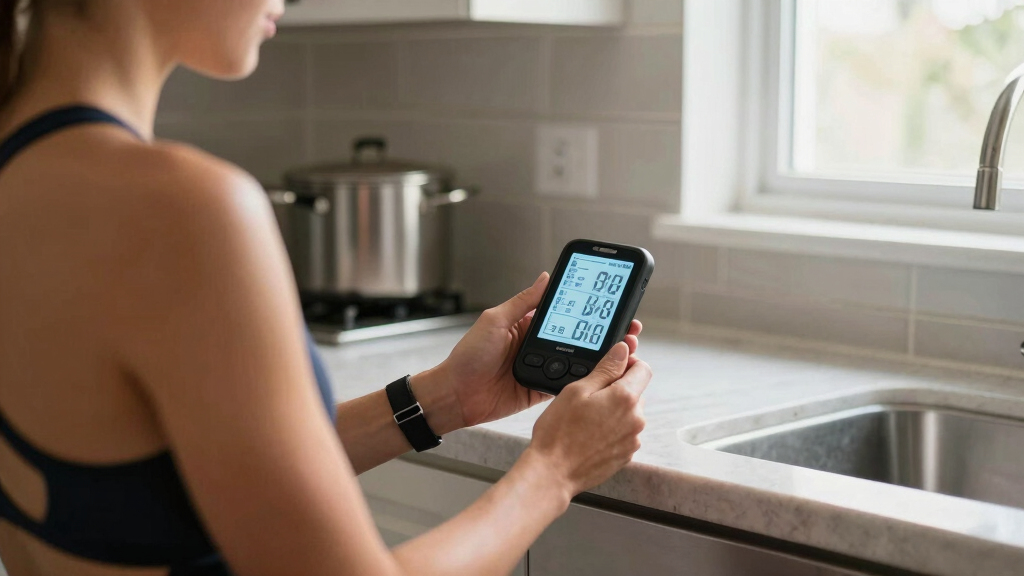
Today’s pace clocks are smarter than ever. Many connect wirelessly to apps, letting you set multiple intervals or receive alerts without fuss. Imagine a clock that flashes or beeps exactly when your set should finish—no more guessing. This real-time feedback can significantly improve your pacing accuracy, especially during high-intensity or complex training sessions where mental focus is divided.
Some models sync with training software, giving coaches and swimmers instant access to split data, which facilitates immediate adjustments and personalized feedback. This integration means you can analyze your pacing trends over time, identify weaknesses, and tailor your training plan accordingly. Bright screens, customizable signals, and data sharing make modern pace clocks a game-changer, especially for serious training plans or competitive swimmers aiming for precise interval control. These advancements reduce manual tracking errors and free up mental resources, allowing you to concentrate on technique and effort rather than stopwatch management.
As an affiliate, we earn on qualifying purchases.
How to Use a Pace Clock for Your Best Workout
Follow these simple tips to maximize your pace clock’s benefits:
- Set clear targets: Know your desired times before starting. Clear goals help your brain focus on pacing rather than constantly checking the clock, reducing mental fatigue and distraction.
- Start together: Sync your start with the clock to ensure timing accuracy. This synchronization prevents discrepancies that can skew your pacing and cause frustration or inconsistency.
- Use splits: Record lap times and compare across sessions to track improvement. Recognizing patterns in your splits can reveal fatigue points, pacing errors, and progress, enabling more targeted adjustments.
- Adjust effort: If your splits are slow, pick up the pace. Too fast? Slow down for endurance. This real-time modulation helps you develop better control over your energy expenditure and avoid burnout.
- Review regularly: Look back at your data to identify patterns and set new goals. Consistent reflection turns raw timing data into meaningful insights that shape your training evolution.
For example, during a set, you might aim for consistent 1:10 splits in a 100-meter swim. Watching the clock helps you stick to that target and prevent drifting into exhaustion or laziness, fostering disciplined pacing that translates into race-day confidence.
Avoid Common Mistakes When Using Pace Clocks
Many swimmers unintentionally sabotage their pacing by misreading or misusing pace clocks. Here’s how to avoid those pitfalls:
- Don’t start too early or late: Be precise. Starting too early can lead to overestimating your pace, causing you to slow down unnecessarily later. Starting late results in inaccurate splits, which can throw off your entire session’s data and progression.
- Ignore small variations: While minor discrepancies are inevitable, obsessing over fractions of a second can distract from overall consistency. Focus instead on maintaining steady splits over multiple intervals, which indicates good pacing and endurance.
- Calibrate your clock: Ensure the timer is set correctly; an uncalibrated clock can mislead your effort and cause inconsistent pacing. Regular calibration, especially if the clock is electronic or digital, ensures your timing remains accurate and trustworthy.
- Don’t rely solely on memory: Recording your splits objectively provides a clearer picture of your progress. Relying on memory alone risks missing subtle trends, leading to misjudged effort and suboptimal training adjustments.
- Stay focused: Avoid distractions during your sets. Keeping your eyes on the clock helps you maintain the intended pace, ensuring your training is precise and effective.
For instance, if your clock is off by even a second, your pacing could be skewed, leading to overexertion or underperformance. Proper calibration and unwavering focus are crucial for making pace clocks a reliable training tool that truly benefits your swim performance.
Frequently Asked Questions
How do I set a pace clock for my workout?
Most pace clocks have buttons or digital interfaces. You input your target time for each interval, then start the clock at the beginning of your set. Follow the manufacturer’s instructions for precise setup.
What’s the best way to use a pace clock during interval training?
Start the clock at the same time as your swim, aim to finish each segment within your target split, and record your times for consistency. Adjust your effort based on how your splits compare to your goal.
Can I use a smartphone instead of a traditional pace clock?
Yes, many swimmers use timer apps on their phones or smartwatches. However, dedicated pace clocks provide larger, more visible displays, making it easier to monitor your times during busy workouts.
What features should I look for in a good pace clock?
Look for high contrast displays, programmable intervals, alarms or signals, durability, and ease of use. Compatibility with your training needs ensures you get the most from your device.
Conclusion
Using a pace clock isn’t just about keeping time; it’s about transforming your approach to training. When you master reading and interpreting these timers, every lap becomes a step toward your best swim.
Next time you hit the water, let that clock guide your effort. It’s the simple tool that turns effort into progress — your secret weapon for faster, more consistent swimming.
Halloween Picks
halloween
As an affiliate, we earn on qualifying purchases.