TL;DR

Get kitchen gear delivered free with Prime
- Fast, free delivery on millions of items
- Prime Video, Amazon Music and more included
- Member-only deals all year
Vibrating timers use gentle vibrations to alert users without noise, perfect for gyms, classrooms, and workplaces. They support inclusivity, reduce noise pollution, and are now smarter and more versatile than ever.
Imagine trying to keep track of time during a workout or a class without disturbing others. Vibrating timers make that possible. They provide a silent, tactile signal that’s perfect for shared gyms, classrooms, or therapy settings where noise can disrupt focus. These devices are changing the way we think about timing—quiet, inclusive, and smart.
If you’ve ever struggled with loud alarms in a shared space, or wanted a more discreet way to stay on schedule, vibrating timers might be your new best friend. In this guide, you’ll learn how these timers work, what features matter, and how to pick the right one for your needs. Ready to enjoy a quieter, more focused environment? Let’s dive in.
Vibrating timers provide a quiet, tactile way to keep time—perfect for noise-sensitive settings.
Features like adjustable vibration strength and app control make them versatile and user-friendly.
Choosing the right timer depends on your environment—basic models suit simple needs, smart models fit larger, tech-savvy groups.
Placement and testing are key—find what feels right and ensures everyone notices the alert.
Combine vibration with visual cues for maximum accessibility and clarity.
How vibrating timers deliver silent alerts without missing a beat
Vibrating timers use small motors to produce gentle, precise vibrations that signal when time’s up. Unlike loud buzzers or ringing alarms, these devices tap into your sense of touch—think of a subtle buzz on your wrist or in your pocket. They’re especially useful in environments where noise can be disruptive, like gyms filled with music, classrooms, or shared office spaces.
Why does this matter? In noisy environments, traditional alarms can be drowned out or cause disruptions, making it difficult for everyone to stay synchronized. Vibrating timers eliminate this problem by providing a discreet cue that only the user perceives. This not only maintains focus but also respects the shared space, fostering a more inclusive atmosphere. However, the tradeoff is that if vibrations are too subtle, they might be missed by some users; hence, adjustable vibration strength becomes crucial for customization and ensuring effectiveness across diverse users.
As an affiliate, we earn on qualifying purchases.
Top features to look for in a vibrating timer for gyms and classrooms
When choosing a vibrating timer, focus on these key features because they directly influence how well the device integrates into your routines and environment. Adjustable vibration strength allows you to customize alerts to be noticeable without being uncomfortable—important for sensitive users or prolonged sessions. Multiple timers enable seamless switching between activities, reducing the need to reset devices constantly, which is essential in dynamic settings like gyms or multi-phase lessons. Durability and water resistance are vital because environments like gyms expose devices to sweat and splashes, and a sturdy timer prevents frequent replacements. Battery life impacts usability—long-lasting, rechargeable models reduce interruptions, especially during extended sessions. App compatibility introduces remote control and synchronization options, making it easier to manage multiple timers simultaneously, streamline routines, and adapt settings on the fly. For example, a trainer can start several timers via an app, ensuring everyone stays synchronized without manual adjustments.
Choosing the right combination of these features can significantly enhance the user experience, making timers more than just a tool—they become an integrated part of your environment that boosts efficiency and inclusivity.
As an affiliate, we earn on qualifying purchases.
Comparison: Basic vs. Smart Vibrating Timers – What’s the difference?
| Feature | Basic Vibrating Timer | Smart Vibrating Timer |
|---|---|---|
| Connectivity | None | Bluetooth/App control |
| Vibration modes | Single mode | Multiple customizable modes with different patterns or intensities |
| Display | Simple digital or LED | Touchscreen with detailed info and settings |
| Price range | $20–$50 | $60–$100 |
| Use case | Basic timing needs | Advanced control, multiple device sync, remote adjustments |
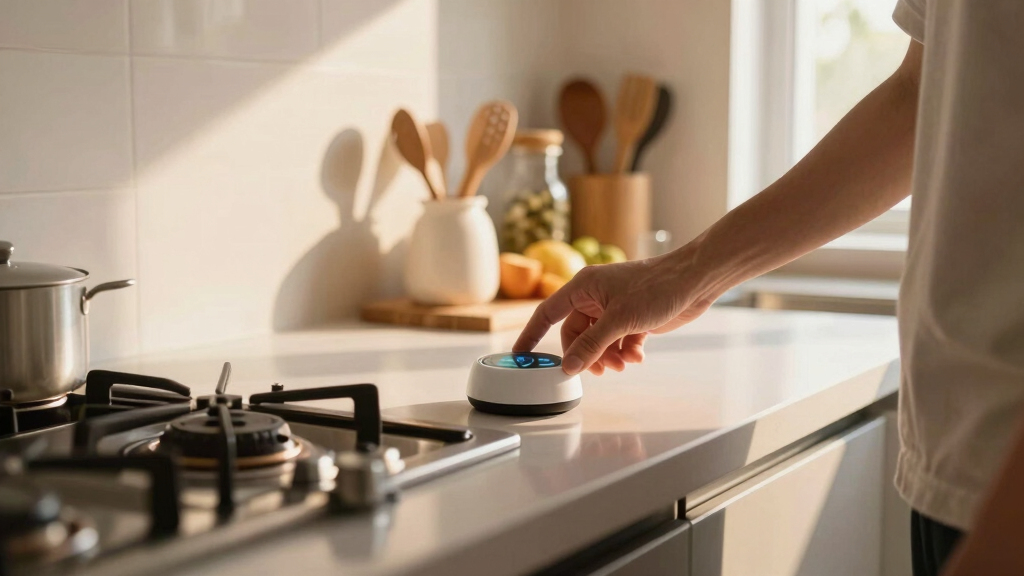
discreet vibrating timer for workouts
As an affiliate, we earn on qualifying purchases.
As an affiliate, we earn on qualifying purchases.
How to set up and use a vibrating timer in your gym or classroom
- Choose a timer with the features you need—consider durability, vibration strength, and connectivity.
- Charge the device fully before first use. Most models take about 2–3 hours to reach full capacity.
- Set your desired time using the buttons or app. For multi-activity sessions, labeling each timer helps prevent confusion and ensures clarity during transitions.
- Place the timer where it’s visible or within easy reach—on a wrist strap, belt clip, or desk surface—so users can easily see or feel the alert.
- Start the timer and focus on your activity. When it buzzes or vibrates, everyone knows time’s up—silently and effectively, maintaining flow and focus without disruption.
smart vibrating timer with app control
As an affiliate, we earn on qualifying purchases.
As an affiliate, we earn on qualifying purchases.
Practical tips to get the most from your vibrating timer
- Test different vibration strengths to find what’s comfortable yet noticeable. Remember, the goal is to be discreet but effective—too weak, and it might go unnoticed; too strong, and it could be uncomfortable.
- Use multiple timers for complex routines—label each for clarity and to avoid confusion. Proper placement ensures everyone perceives the alert at the right time, preventing disruptions.
- Keep the device charged, especially if you rely on app features or long sessions. Regular maintenance ensures consistent performance and avoids unexpected failures.
- Combine vibration with visual cues like flashing lights for extra accessibility or in noisy environments. This multimodal approach caters to diverse needs and enhances overall awareness.
- Educate your team or students on what the vibrations mean so everyone stays in sync. Clear communication about device signals fosters trust and smooth operation.
Frequently Asked Questions
Are vibrating timers safe for all users?
Yes, vibrating timers are generally safe. Just ensure the vibration strength is comfortable. People with sensory sensitivities might prefer lower settings, but overall, these devices are designed for inclusive use.Can I use a vibrating timer outdoors or in wet environments?
Many models are water-resistant or waterproof, making them suitable for outdoor activities or wet environments. Check the product specs to ensure it matches your specific needs.How long do the batteries last on a typical vibrating timer?
Battery life varies by model. Rechargeable timers usually last several days to a week on a full charge, especially with moderate use. Always keep a charger handy for long sessions.Are there vibrating timers with additional features like lights or sounds?
Yes. Some models combine vibration with visual cues like flashing lights or even soft sounds for extra accessibility. Choose one based on your environment’s noise level and your preferences.What’s the main advantage of smart vibrating timers over basic ones?
Smart timers connect via Bluetooth or Wi-Fi, allowing remote control, multiple device synchronization, and customization through apps. They’re ideal for complex routines or larger groups.Conclusion
If noise disrupts your shared space, a vibrating timer might be what you need. They turn timing into a discreet, inclusive experience—less noise, more focus. Think of them as your silent partner for a more peaceful, efficient environment.
Next time you set a timer, consider how a gentle buzz could make all the difference. Quiet, effective, and accessible—these devices are quietly reshaping how we manage time together.
Fall Picks
fall essentials
As an affiliate, we earn on qualifying purchases.