TL;DR
Batch cooking involves preparing large quantities of food in one session, while meal prepping focuses on portioning individual meals ahead of time. Both save time and money, but suit different lifestyles and needs. Choosing the right method streamlines your cooking and helps you eat healthier.
Ever wonder whether batch cooking or meal prepping is better for your busy schedule? Both strategies aim to cut down on daily cooking stress, but they do it in different ways. Understanding what sets them apart can help you choose the easiest, most effective method for your lifestyle.
Imagine coming home after a long day, knowing dinner is already cooked or pre-portioned. That peace of mind comes from knowing how your food prep routine aligns with your goals. Ready to see which approach fits you best? Let’s break down the differences, benefits, and practical tips so you can start saving time and eating smarter today.
Batch cooking is ideal for making large quantities of the same meal, saving time and reducing cooking frequency.
Meal prepping focuses on portioning and assembling individual meals, offering more daily variety and convenience.
Combining both methods can maximize efficiency, reduce waste, and keep your diet interesting.
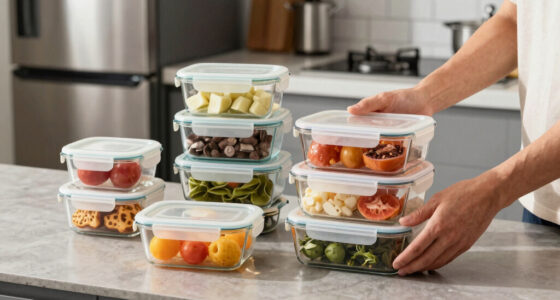
Good storage containers and planning are key to successful meal prep or batch cooking.
Start small, plan ahead, and adjust based on your schedule and preferences to build sustainable habits.
What Is Batch Cooking? Prepare in Bulk, Reheat When Needed
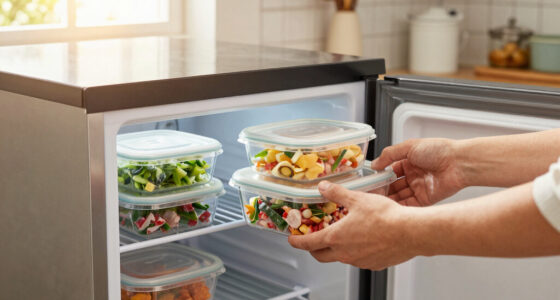
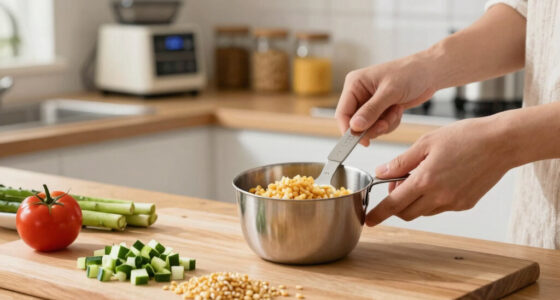
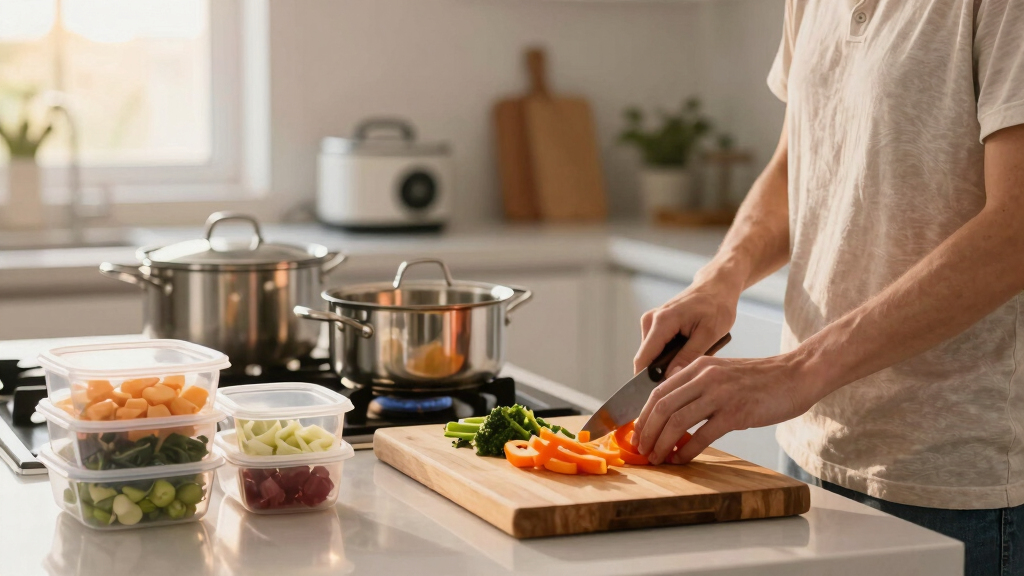
Batch cooking means making large quantities of food in one go—think big pots of chili, roasted vegetables, or grilled chicken. The idea is to cook once and then divide the meal into portions that can be stored and reheated later. This approach is especially effective for those who want to minimize daily cooking time and make the most of their grocery shopping efforts.
Why does this matter? Because it allows you to create a variety of meals from a few base ingredients, saving you the effort of cooking every day. It also helps in managing your diet, as you can control portion sizes and ingredients, which is crucial for weight management or specific dietary needs. However, the tradeoff is that batch cooking requires planning ahead to ensure meals stay fresh and don’t become monotonous. Some foods may not reheat well or could lose texture, so selecting appropriate recipes is key.
For example, cooking 4 pounds of chicken breasts on Sunday enables you to shred or slice for salads, wraps, or stir-fries throughout the week. This strategy reduces daily decision-making and cooking time, but it also means your menu might be less varied if you stick to the same base ingredients repeatedly.

50 Pack (100-Piece) 32 oz Meal Prep Containers Reusable with Lids 3-Compartment, To Go Take Out Plastic Food Storage Containers, Sturdy Leakproof Food Safe, Microwave Freezer Dishwasher Safe, Black
【Sturdy & Reusable】Made of premium thick plastic and strong construction, Dealusy meal prep containers with lids 3 Compartment…
As an affiliate, we earn on qualifying purchases.
As an affiliate, we earn on qualifying purchases.
What Is Meal Prepping? Pack Individual Meals for Easy Grab-and-Go
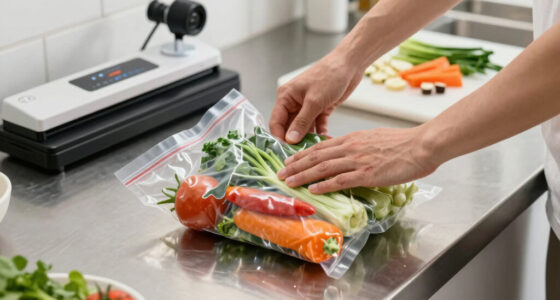
Meal prepping involves preparing and portioning complete meals or meal components ahead of time, often in individual containers. This approach is about convenience and customization, allowing you to have ready-to-eat or easy-to-reheat meals that fit your schedule and dietary preferences. It’s particularly beneficial for those who value daily freshness and variety but want to minimize cooking time each day.
Why is this important? Because it gives you control over your diet, portion sizes, and meal composition, which can support weight loss, muscle gain, or specific nutritional goals. It also reduces the temptation to opt for unhealthy takeout or snacks when you’re pressed for time. The tradeoff is that meal prepping can require more frequent planning and shopping, especially if you want a diverse menu. Additionally, some meals may need special storage or reheating considerations to maintain quality and safety.
For instance, preparing a dozen containers of balanced dinners with grilled chicken, quinoa, and steamed broccoli on Sunday means you can grab a nutritious meal each day without cooking. This method emphasizes flexibility—changing ingredients or flavors regularly prevents boredom and keeps your diet interesting. It’s about making healthy eating effortless and tailored to your lifestyle, but it demands organization and attention to food safety.

IMUSA 16 Quart Stainless Steel Stock Pot with Lid – Large Cooking Pot for Soups, Stews, Pasta, Seafood Boiling and Family Meals – Riveted Handles for Easy Transport
LARGE CAPACITY: This large cooking pot offers sixteen quart capacity in stainless steel construction, providing ample space for…
As an affiliate, we earn on qualifying purchases.
As an affiliate, we earn on qualifying purchases.
Batch Cooking vs Meal Prepping: Which Saves More Time and Money?
| Aspect | Batch Cooking | Meal Prepping |
|---|---|---|
| Preparation Style | Cook large quantities of ingredients or meals in one session, then divide into portions for future use. | Cook or assemble individual meals or meal components ahead of time, focusing on portion control and meal customization. |
| Flexibility | Offers less daily variety but excels in efficiency and consistency; ideal for bulk food and meal planning. | Provides greater daily variety, allowing for different meals and flavors, catering to diverse tastes and dietary needs. |
| Time Investment | Usually involves one or two dedicated sessions weekly, which can free up daily time but requires upfront effort. | May involve multiple shorter sessions or daily prep, offering flexibility but potentially more frequent planning. |
| Best For | Families, bulk eaters, or those with predictable schedules who prefer efficiency and consistency. | Singles, busy professionals, or those who want variety and customization in their daily meals. |
Both methods aim to reduce daily cooking time, but they do so through different mechanisms. Batch cooking streamlines the process by focusing on large-scale meal preparation, which minimizes daily effort but may limit variety. Meal prepping emphasizes daily convenience and meal diversity, though it can require more frequent planning and organization. The choice depends on your priorities—whether you value efficiency and bulk meals or daily freshness and variety. Understanding these tradeoffs helps you craft a meal routine that aligns with your lifestyle and health goals.
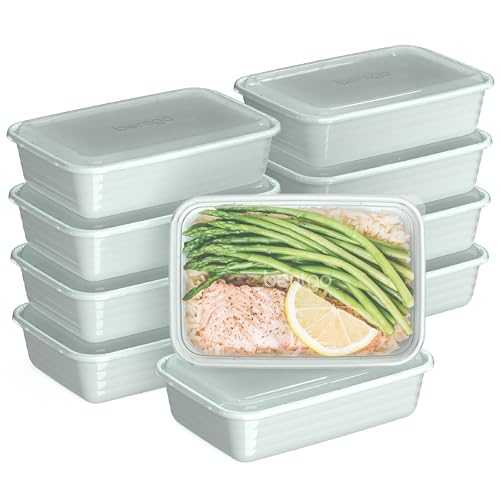
Bentgo Prep – 20-Piece 1-Compartment Reusable Meal Prep Containers with Lids, PFAS & BPA Free Materials, Durable, Microwave, Freezer, & Dishwasher Safe To Go Food Storage (Mint)
#1 Brand Pick for Meal Prep Containers: Bentgo is the top pick for meal prep containers!* This lightweight,…
As an affiliate, we earn on qualifying purchases.
As an affiliate, we earn on qualifying purchases.
Frequently Asked Questions
Can I do both batch cooking and meal prepping at the same time?
Absolutely! Combining both allows you to cook large batches of staple ingredients while prepping individual meals. This synergy maximizes flexibility, variety, and efficiency in your weekly routine.How long can I store cooked meals safely in the fridge?
Most cooked foods stay fresh in the refrigerator for 3 to 4 days. For longer storage, freeze meals — they can last 2 to 3 months without losing quality. Always label your containers with dates to stay organized.What are some beginner-friendly recipes for batch cooking or meal prepping?
Popular options include chili, hearty soups, roasted vegetables, grilled chicken, grain bowls, overnight oats, and breakfast burritos. These dishes are easy to prepare in bulk and versatile for various meals.How can I keep my meals interesting and avoid boredom?
Rotate recipes regularly, experiment with different herbs and spices, and vary your ingredients. Even simple changes like switching from rice to quinoa or adding a new sauce can make a big difference.What storage containers should I choose for my prepped meals?
Opt for airtight, BPA-free plastic or glass containers. Look for ones with compartments if you want to keep different ingredients separate. Good containers preserve freshness and make reheating easy.Bentgo Prep – 20-Piece 1-Compartment Reusable Meal Prep Containers with Lids, PFAS & BPA Free Materials, Durable, Microwave, Freezer, & Dishwasher Safe To Go Food Storage (Mint)
#1 Brand Pick for Meal Prep Containers: Bentgo is the top pick for meal prep containers!* This lightweight,…
As an affiliate, we earn on qualifying purchases.
As an affiliate, we earn on qualifying purchases.
Conclusion
Understanding the core differences between batch cooking and meal prepping helps you craft a food routine that fits your life. Whether you prefer cooking in bulk or assembling daily meals, both strategies can free up your time and make healthy eating easier.
Imagine coming home to a fridge full of ready-to-eat, nutritious meals—no stress, no fuss. The way you cook is your tool to reclaim time and enjoy more quality moments around your table. So, which approach will you try first?