TL;DR

Get kitchen gear delivered free with Prime
- Fast, free delivery on millions of items
- Prime Video, Amazon Music and more included
- Member-only deals all year
Meal-prep containers come in various sizes measured in ounces and cups, crucial for portion control. Choosing the right size depends on your meal type, goals, and storage needs. Recent innovations make meal prep more convenient and eco-friendly.
Ever open your fridge and wonder if that container is the right size for your meal? Or find yourself guessing how much food fits in a certain box? The secret lies in understanding the measurements—ounces, cups, and portions—and how they translate into real-world meal prep.
This guide breaks down what you need to know to pick the perfect container size, tailor your portions, and avoid leftovers or shortages. Whether you’re prepping for weight loss, muscle gain, or just smarter eating, knowing these basics makes your meal planning way more effective.
Measure food by weight (ounces) for accuracy, but use volume (cups) for quick portioning.
Match container sizes to your meal type and goal—smaller for snacks, larger for batch cooking.
Understanding the difference between ounces and cups prevents over- or under-serving.
Recent container innovations focus on convenience, durability, and eco-friendliness.
Proper container choice helps manage portions, reduce waste, and keep food fresh.
How Container Sizes Match Your Meal Goals
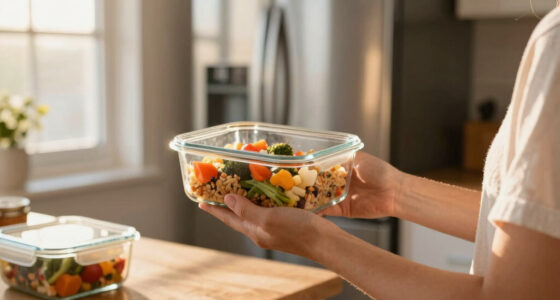
When choosing meal-prep containers, size matters. It’s not just about fitting food—it’s about fitting your goals. For example, a 1-cup container (8 oz) is perfect for snacks or small sides. A 2-cup container (16 oz) works well for a hearty lunch or main dish. Larger containers, like 3-4 cups, are ideal for batch cooking or family-sized meals.
Let’s make it concrete: if you’re on a weight-loss plan, sticking to 1-1.5 cup portions helps control calories. For muscle-building, you might opt for 2-cup servings to ensure enough calories and nutrients.
Matching container size to your meal type keeps you from overeating or wasting food. Plus, it’s easier to plan your day when you know exactly how much fits in each size.
meal prep containers with measurement markings
As an affiliate, we earn on qualifying purchases.
As an affiliate, we earn on qualifying purchases.
Ounces vs. Cups: What’s the Difference and Why It Matters
Ounces and cups measure different things—weight and volume. Ounces (oz) tell you how heavy a food is, while cups measure how much space it takes up. This distinction is crucial because it influences how you prepare and portion your meals. For instance, a cup of cooked rice weighs about 6-7 oz, but the same volume of chopped vegetables might weigh less due to density differences. Recognizing this helps you make smarter choices: measuring by weight gives more precise calorie control, especially for dense or calorie-dense foods, whereas volume is quicker but less accurate.
Why does this matter? Because inconsistent measurements can lead to overeating or underestimating portion sizes. If you’re tracking calories or macros, relying on weight (ounces) can prevent those sneaky calorie creep, especially with foods that change density when cooked or chopped. Understanding these differences ensures your meal prep aligns with your health and fitness goals, making your efforts more effective and less frustrating.
eco-friendly food storage containers
As an affiliate, we earn on qualifying purchases.
As an affiliate, we earn on qualifying purchases.
Comparison Table: Container Sizes and When to Use Them
| Container Size | Volume | Ideal For |
|---|---|---|
| 0.5 cups | 4 oz | Snacks, dips, small sides |
| 1 cup | 8 oz | Single servings, salads, small meals |
| 1.5 cups | 12 oz | Lunch portions, grain bowls |
| 2 cups | 16 oz | Main courses, larger salads |
| 3-4 cups | 24-32 oz | Batch cooking, family-sized meals |
large portion meal prep containers
As an affiliate, we earn on qualifying purchases.
As an affiliate, we earn on qualifying purchases.
How to Choose the Perfect Container for Your Meal Type
Pick your containers based on what you eat most often. If you love salads, go for smaller, leak-proof containers that keep veggies crisp. For grains and proteins, larger sizes prevent overcrowding and make reheating easier.
Here’s a quick guide:
- Snacks & sides: 0.5-1 cup sizes
- Lunches & salads: 1-2 cups
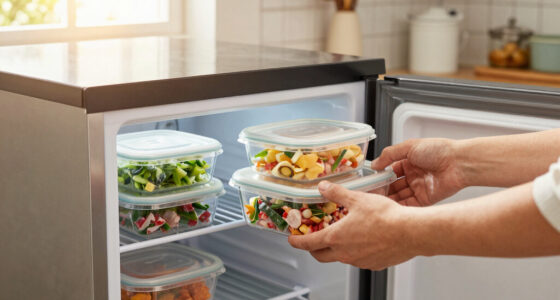
- Meal prep for the week: 3-4 cup containers
Matching container size to your typical meal helps keep portions consistent and prevents waste. Choosing the right size also reduces the temptation to overfill or underfill, which can lead to inconsistent portions and less effective meal planning. Think about your typical portion needs and how much space your ingredients require — this can help prevent the common mistake of overstuffing containers, which can lead to uneven heating or spoilage, or underfilling, which might cause waste or make storage inefficient.
As an affiliate, we earn on qualifying purchases.
Smart Features and Material Choices for Meal Prep Containers
Recently, containers have stepped into the future with features like leak-proof seals, stackability, and smart sensors. Glass options are popular for their durability and safety, especially if you reheat often. Plastic containers are lightweight and budget-friendly but check for BPA-free labels.
For eco-conscious cooks, biodegradable or recycled plastics are increasingly available. Also, look for microwave-safe, dishwasher-safe tags to simplify cleaning and reheating.
Choosing the right material and features makes your meal prep experience smoother and more sustainable.
Frequently Asked Questions
What size container should I use for meal prep?
Start with 1-2 cup containers for most meals. Use smaller sizes for snacks or side dishes, and larger ones (3-4 cups) for batch cooking or family meals. Adjust based on your appetite and dietary goals.
How do I measure food portions accurately in containers?
Use a kitchen scale to weigh dense foods like rice or chicken, and measure liquids with a measuring cup. For pre-measured convenience, know your container sizes and fill accordingly to stay consistent.
Are glass containers better than plastic for meal prep?
Glass containers are generally more durable and safer for reheating, especially if you cook often. Plastic is lightweight and budget-friendly but check for BPA-free and microwave-safe labels. Choose what fits your lifestyle best.
What is the ideal container size for salads?
About 1-1.5 cups is perfect for a single serving. Use containers with separate compartments if you want to keep ingredients fresh and crisp until mealtime.
How can I prevent food from spilling or leaking?
Choose containers with secure, airtight seals and leak-proof lids. Double-check closures before filling, especially for liquids or dressings. Investing in quality containers reduces messes and keeps food fresh.
Conclusion
Getting familiar with meal-prep container sizes transforms your approach to eating. It’s about more than just fitting food in a box—it’s controlling portions, reducing waste, and making your life easier.
Next time you pack your lunch, think about what size matches your meal and your goals. Your future self will thank you for it—less guesswork, less waste, more satisfaction.
Halloween Picks
halloween
As an affiliate, we earn on qualifying purchases.