
TL;DR
Properly setting work/rest intervals in circuit training hinges on your goals—shorter, intense intervals boost fat loss, while longer rests aid strength. Use proven protocols like Tabata or customize based on your fitness level for best results.
Imagine finishing a workout and feeling like you just ran a marathon—your heart pounding, muscles burning, but you’re energized. That’s the power of well-programmed circuit training. But the secret isn’t just in the exercises you choose — it’s in the timing. How long you work, how long you rest—these choices shape your results.
In this guide, you’ll learn how to craft work/rest intervals that match your goals, whether it’s torching fat, building muscle, or boosting endurance. Get ready to turn your timer into your best workout partner, helping you push harder and recover smarter.
Align your work/rest intervals with your specific fitness goals—shorter for fat loss, longer for strength.
Work intervals of 20-60 seconds suit most goals, but adjust based on your fitness level and exercise intensity.
Rest periods of 10-60 seconds balance recovery and maintaining workout intensity. Shorter rests boost cardio, longer ones aid strength.
Protocols like Tabata and HIIT offer proven timing templates, but customizing your own ensures better results and variety.
Progressively tweak your intervals over time to keep challenging your body and avoid plateaus.
Set Clear Goals to Shape Your Work/Rest Timing
The first step in programming your circuit is knowing what you want to achieve. If fat loss is your goal, keep your rest periods short—around 15-30 seconds—to keep your heart rate high and boost calorie burn. For building strength, longer rests—30-90 seconds—allow muscles to recover and perform at maximum effort. Want endurance? Aim for minimal rest, keeping the challenge continuous.
Understanding why these differences matter helps you tailor your workout more effectively. Shorter rests prevent your heart rate from dropping too much, maintaining a high metabolic rate that encourages fat loss. Conversely, longer rests give your muscles time to recover, enabling you to lift heavier or perform more repetitions—crucial for strength development. The tradeoff is between intensity and recovery: too little rest can lead to fatigue and form breakdown, risking injury, while too much can diminish the cardiovascular benefits. Balancing these based on your goals ensures you get the most out of each session.
For example, if you’re doing a circuit to shed pounds, you might set 30 seconds of burpees, followed by 15 seconds of rest. But if you’re focusing on lifting heavier weights, extend your rest to give your muscles time to recover between sets, ensuring quality reps and avoiding overtraining.
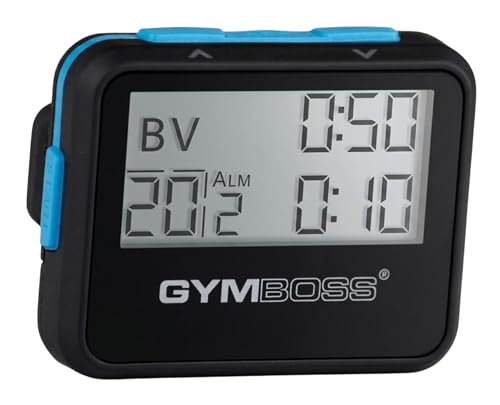
Gymboss Interval Timer and Stopwatch – Black/Blue SOFTCOAT
Compact interval timer times one or two intervals between two seconds and 99 minutes.
As an affiliate, we earn on qualifying purchases.
As an affiliate, we earn on qualifying purchases.
How Long Should Your Work Intervals Be? Find the Perfect Duration
Work intervals typically range from 20 seconds to 2 minutes. Shorter bursts—like 20-30 seconds—maximize fat burning and boost metabolism because they push your anaerobic system and create a high-intensity environment that triggers rapid energy expenditure. Longer efforts—up to 2 minutes—are better for building muscular endurance or strength, as they challenge your aerobic capacity and force your muscles to sustain effort over time.
Choosing the right duration isn’t just about personal preference; it’s about understanding the physiological responses involved. Short, intense intervals favor fat loss because they elevate your heart rate quickly and keep it high even after the workout ends, thanks to excess post-exercise oxygen consumption (EPOC). Longer intervals allow your muscles to adapt to sustained effort, improving endurance and strength but may reduce the overall calorie burn rate if not combined with high intensity.
Consider your fitness level. Beginners might start with 20-30 seconds of work, focusing on proper form and controlled effort to prevent injury. More advanced athletes can push to 60-90 seconds or more, balancing intensity and duration for maximum adaptation. The key is aligning your interval length with your specific goals—shorter for fat loss, longer for endurance—while monitoring how your body responds to avoid overtraining or burnout.

High-Intensity Interval Training for Women: Burn More Fat in Less Time with HIIT Workouts You Can Do Anywhere
As an affiliate, we earn on qualifying purchases.
As an affiliate, we earn on qualifying purchases.
Design Rest Periods That Keep You Moving Without Burning Out
Rest periods typically last between 10-60 seconds. Shorter rests keep your heart rate elevated, which is ideal for maximizing fat burning and cardiovascular improvements because they sustain the metabolic demand. Longer rests—up to a minute or more—are advantageous when lifting heavy or performing power moves, as they allow your muscles to recover sufficiently to maintain proper form and force output in subsequent sets.
Understanding the implications of rest duration helps you balance fatigue and performance. Short rests may lead to accumulated fatigue if your intensity is too high, risking poor form and injury. Longer rests, while allowing full recovery, might reduce the workout’s cardiovascular intensity if overused. The tradeoff is between maintaining a high heart rate for fat burning and ensuring adequate recovery to prevent injury and maximize performance. Adjusting rest based on your exercise type and fatigue levels ensures an effective, sustainable workout.
For example, during a circuit with kettlebell swings and push-ups, you might rest 20 seconds between stations if your goal is fat loss—keeping the intensity high and heart rate elevated. But if you’re lifting heavier weights, rest 60 seconds to allow full recovery, ensuring quality reps and preventing injury.

LUCORB Portable Gym Timer for Home Gym Interval Timer for Workout with Time Progress Bar/Rounds, Workout Clock for Boxing HIIT Tabata Emom Fitness Rechargeable Battery Powered…
Magnetic Gym Timer: 7 preset mode options: Tabata, Miit,Hiit,EMOM1/2,FGB1/2, 9 customize interval training plans, countdown/up, stopwatch, interval timer,12/24H…
As an affiliate, we earn on qualifying purchases.
As an affiliate, we earn on qualifying purchases.
Compare Popular Interval Protocols Like Tabata and HIIT
| Protocol | Work Duration | Rest Duration | Total Time | Best For |
|---|---|---|---|---|
| Tabata | 20 seconds | 10 seconds | 4 minutes | Fat loss, metabolic boost |
| HIIT (High-Intensity Interval Training) | 30 seconds to 1 minute | 15-60 seconds | 20-30 minutes | Endurance, fat burning |
| Custom Circuit | Varies (20 sec – 2 min) | 10-60 sec | Depends on design | Flexible, tailored to goals |
Choosing the right protocol depends on your time, fitness level, and goals. Tabata offers a quick, intense burst, while HIIT provides flexibility for longer sessions targeting endurance and fat loss. Understanding the differences allows you to select the most effective approach for your needs, balancing intensity and duration to optimize results. For example, opting for Tabata can give you a quick metabolic boost in a short timeframe, but it may not be suitable for beginners or those focusing on building endurance. Conversely, longer HIIT sessions can be adapted to target specific energy systems, but they require careful pacing to prevent overexertion. Knowing these tradeoffs helps you design smarter, more effective workouts.
Gymboss Interval Timer and Stopwatch – Black/Blue SOFTCOAT
Compact interval timer times one or two intervals between two seconds and 99 minutes.
As an affiliate, we earn on qualifying purchases.
As an affiliate, we earn on qualifying purchases.
Adjust Your Intervals as You Progress
Progressive overload isn’t just for weights—your intervals should evolve too. As your fitness improves, decreasing rest times or increasing work durations challenges your body to adapt further, promoting continual progress. For example, shifting from 30 seconds work and 30 seconds rest to 45 seconds work and 15 seconds rest not only increases workload but also forces your cardiovascular and muscular systems to respond to new demands. This gradual increase in intensity and volume is crucial for avoiding plateaus, ensuring your workouts remain challenging and effective over time.
By systematically adjusting your intervals, you create a dynamic training environment that encourages ongoing improvement. This not only boosts your endurance and strength but also helps prevent mental fatigue associated with monotonous routines. The key is listening to your body and making incremental changes—small adjustments that push your limits without risking injury or burnout. Over time, these tweaks lead to better performance, increased confidence, and sustained motivation.
Use Technology to Fine-Tune Your Timing
Modern timers, apps, and heart rate monitors make programming and sticking to your intervals easier and more precise. Precise timing ensures you maintain the desired intensity without guesswork, which is essential for achieving specific goals like fat loss or endurance. For instance, a timer app with customizable intervals can automatically signal when to start and stop, reducing the mental load of counting seconds and allowing you to focus entirely on effort and form. Heart rate monitors help you stay within your target zones, whether you aim for fat-burning or peak power output, providing real-time feedback that can inform adjustments during the workout. This technological integration ensures consistency, accuracy, and safety, making your training more effective and less stressful.
By leveraging these tools, you can also track your progress over time, identify patterns, and make data-driven adjustments to your interval structure. This personalized approach accelerates improvement and keeps workouts engaging, as you see tangible results from precise, well-managed training sessions.
Safety First: Avoid Overtraining and Injury
Always listen to your body. Pushing too hard during short rest intervals can lead to fatigue, loss of form, or injury. Make sure to include rest days and hydrate well. If you feel dizzy or overly exhausted, extend your rest or reduce intensity. Recognizing signs of overtraining—such as persistent fatigue, soreness, or decreased performance—is crucial to prevent setbacks and injuries. Incorporating proper warm-ups and cool-downs further protects your joints and muscles, reducing the risk of strains or sprains. When performing high-impact moves or lifting heavy weights, proper technique becomes even more critical; consider consulting a professional or trainer to ensure safe execution. Remember, safety isn’t just about avoiding immediate injury—it’s about creating a sustainable routine that promotes long-term progress without setbacks. Prioritizing recovery and listening to your body’s signals ensures consistent gains and reduces the risk of burnout or injury, keeping your training enjoyable and productive over the long haul.
Frequently Asked Questions
How long should each work interval be for fat burning?
For fat burning, 20-30 seconds of high-intensity work followed by 10-20 seconds of rest is effective. This keeps your heart rate elevated and maximizes calorie burn during and after the workout.
Should I adjust rest periods as I get fitter?
Yes. As your fitness improves, decreasing rest time or increasing work duration challenges your body further, promoting ongoing gains and preventing plateaus.
Can I combine different interval protocols in one workout?
Absolutely. Mixing protocols like Tabata and traditional circuit training creates variety, keeps you motivated, and targets different energy systems for a well-rounded workout.
What’s the safest way to start programming intervals?
Begin with moderate work and rest—say, 30 seconds work, 30 seconds rest—and listen to your body. Gradually increase intensity as you build endurance and strength.
Is it better to use a timer or just count seconds?
Using a timer or app helps keep precise intervals, reducing mental load and ensuring consistency. This way, you stay focused on effort rather than counting seconds manually.
Conclusion
Programming your circuit intervals isn’t just about timers—it’s about smartly matching effort with recovery to hit your goals. When you tailor your work and rest times, you turn your workout into a precise tool for fat loss, endurance, or strength.
Remember: consistency, gradual changes, and listening to your body keep your progress steady. The next time you set your timer, think of it as the secret ingredient to a smarter, more effective workout.