
TL;DR

Get kitchen gear delivered free with Prime
- Fast, free delivery on millions of items
- Prime Video, Amazon Music and more included
- Member-only deals all year
IP ratings measure how well a device resists solids and water. For kitchen timers, IP44 or IP65 usually offers enough protection against splashes and steam, ensuring longevity without overkill. Knowing these ratings helps you pick a timer that keeps ticking through your culinary chaos.
Most kitchen timers with IP44 or IP65 ratings handle everyday splashes and steam without issue.
Higher IP ratings like IP67 are overkill for typical kitchens but useful in very wet conditions or if you clean with a hose.
Always check the exact IP rating—water resistance does not mean waterproofing or submersion capability.
Water-resistant timers last longer and are easier to clean, making them a smart choice for busy cooks.
Follow manufacturer instructions carefully to maintain the seal and ensure longevity.
What Do IP Ratings Actually Tell You?
IP ratings are like a weather forecast for your gadgets—except instead of rain or snow, they tell you how well your timer fights dust and water. The first digit shows protection against solids like dust, dirt, or crumbs, which can interfere with the device’s internal components. The second digit indicates how resistant it is to liquids, which is crucial in a kitchen environment filled with splashes, steam, and spills. For example, an IP44 timer resists splashes from any angle, which is typically sufficient for most cooking scenarios. A higher rating, like IP65, can withstand powerful water jets, making it suitable for more demanding cleaning or steam exposure. Choosing the right IP rating is about understanding the tradeoffs—higher ratings often mean more robust seals, which can sometimes add bulk or cost, but significantly improve durability in wet conditions. Essentially, IP ratings act as a shield, ensuring your timer remains functional despite the kitchen’s messes and moisture challenges.
water-resistant kitchen timer IP44
As an affiliate, we earn on qualifying purchases.
As an affiliate, we earn on qualifying purchases.
Top Water-Resistant Ratings and What They Mean for You
Here’s a detailed look at common IP ratings and their practical implications in the kitchen. An IP44 rating offers protection against splashes and is suitable for everyday cooking activities—think stirring, boiling, or occasional splashes. An IP65 rating, however, provides a higher level of protection—resisting water jets and heavy steam—making it ideal if your kitchen involves frequent cleaning or high-moisture activities. IP67 timers can withstand immersion in water up to 1 meter deep for 30 minutes, but this level of protection is often unnecessary for typical kitchen use and may add extra bulk or cost. When selecting a timer, consider your specific environment: if your kitchen is prone to splashes from boiling water or you regularly clean with a hose, opting for an IP65 or higher can prevent costly replacements or malfunctions. The key is matching the rating to your cooking habits—over-specifying can lead to unnecessary expense, while under-protecting risks device failure and replacement costs.
As an affiliate, we earn on qualifying purchases.
How Water-Resistant Timers Handle Steam and Spills
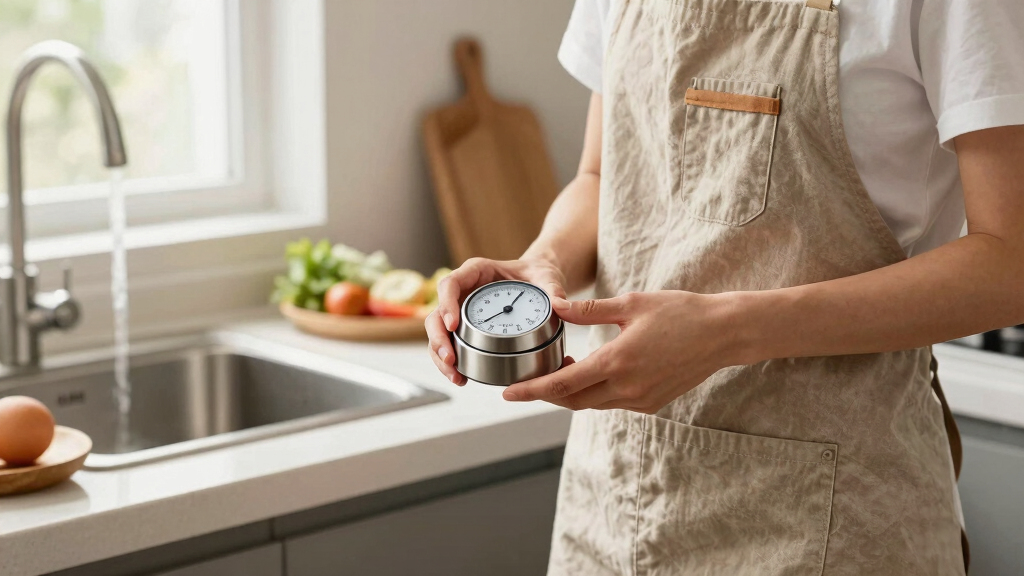
Water-resistant timers are designed to endure the common hazards of a busy kitchen—steam from boiling, splashes from rinsing vegetables, and accidental spills. But understanding their capabilities is essential for making informed choices. For instance, a timer rated IP44 can handle a splash or two, but prolonged exposure to steam or direct water jets can compromise its seals over time, leading to potential failure. An IP65 timer, on the other hand, can resist heavier splashes and steam, making it more suitable for frequent exposure to moisture. It’s important to remember that these ratings protect against surface water and splashes, not full submersion. Knowing this helps you avoid misuse—like immersing the timer in water or exposing it to high-pressure jets—that could damage even high-rated devices. Think of these timers as resilient shields: they keep working amid typical kitchen chaos, but pushing their limits can cause issues. Proper placement and cautious use extend their lifespan and ensure consistent performance.
kitchen timer with water resistance
As an affiliate, we earn on qualifying purchases.
As an affiliate, we earn on qualifying purchases.
Practical Tips for Choosing and Using a Water-Resistant Timer
- Check the IP rating—aim for at least IP44 for everyday kitchen use, and consider IP65 if your cooking involves frequent steam, boiling, or cleaning with water jets. Understanding the rating helps you balance protection with cost and size.
- Look for easy-to-clean surfaces—timers with smooth, waterproof coatings are easier to wipe down and less likely to trap grime, which can degrade seals over time, reducing water resistance.
- Keep the timer away from direct water streams unless it’s rated IP67 or higher—exposing even water-resistant devices to direct jets can compromise their seals, especially if they aren’t rated for immersion.
- Always follow the manufacturer’s cleaning instructions—using the wrong cleaning method or harsh chemicals can degrade seals and reduce water resistance, shortening the device’s lifespan.
- Consider size and controls—water resistance is valuable, but usability remains critical. Large buttons, clear displays, and simple controls ensure you can operate the timer efficiently, even with wet or greasy hands.
For example, a timer with an IP65 rating and a large, tactile button allows you to reset or set timers easily when your hands are messy. Regularly wiping down your device prevents grease buildup, which can degrade seals and compromise water resistance over time. Proper maintenance and cautious use maximize longevity and performance, ensuring your timer remains a reliable kitchen companion.
durable kitchen timer for steam and splashes
As an affiliate, we earn on qualifying purchases.
As an affiliate, we earn on qualifying purchases.
Are Water-Resistant Timers Worth the Extra Cost?
Water-resistant timers often come with a modest price premium—around 10-20% more—because of enhanced seals and durable materials. While this may seem like an added expense, the long-term benefits often outweigh the initial cost. In a busy kitchen, accidental splashes, steam, or even a quick wash can damage or render non-resistant timers unusable, leading to replacement costs and inconvenience. Investing in a timer with a suitable IP rating ensures it can withstand these conditions, maintaining accurate timing and reliability over time. Moreover, higher-rated timers tend to be easier to clean, resist grime buildup, and last longer, providing added value. The tradeoff is generally favorable: a small upfront investment in durability can save money and frustration in the long run, especially if your culinary environment is lively and unpredictable.
Ultimately, choosing a water-resistant timer is about peace of mind and reducing the risk of device failure—an investment that pays off through consistent performance and longevity.
Safety Tips When Using Water-Resistant Timers
While water-resistant timers are designed to handle moisture, they are not invincible. Always avoid submerging your timer unless it’s rated IP67 or higher, which can withstand immersion in water for limited periods. Keep the device away from direct, powerful water streams—such as from a hose or high-pressure spray—as these can breach seals and cause damage. Remember, water resistance is about surface protection, not a license to soak or dunk your device. Proper cleaning involves wiping with a damp cloth, not immersing or spraying directly. Always unplug or turn off the timer before cleaning, and follow the manufacturer’s instructions to preserve the integrity of seals. If you notice any cracks, chips, or damage, replace the timer promptly—damaged seals compromise water resistance and could lead to malfunction or safety hazards. Protecting your investment ensures your timer continues to perform reliably in the demanding environment of your kitchen.
Frequently Asked Questions
Is an IP44 timer enough for my kitchen?
Yes, an IP44 timer protects against splashes and steam, suitable for most home kitchens. If your cooking involves lots of boiling or splashing, consider IP65 for added protection.Can I wash my water-resistant timer with water?
Generally, yes—especially if it has a high IP rating like IP65 or IP67. Just follow the manufacturer’s cleaning instructions and avoid submerging unless rated for it.Will water resistance make my timer more expensive?
Typically, higher IP-rated timers cost a bit more due to better sealing materials, but the extra durability often justifies the price for busy or messy kitchens.Are water-resistant timers completely waterproof?
Not necessarily. Water-resistant timers are protected against splashes or jets, but unless rated IP67 or higher, they shouldn’t be submerged in water.What’s the biggest benefit of choosing a water-resistant timer?
It’s the peace of mind—your timer can handle steam, splashes, and spills without breaking or malfunctioning, saving you time and money in the long run.Conclusion
A water-resistant timer with the right IP rating keeps your cooking precise, even when your kitchen turns messy. It’s an investment in durability that pays off during busy mornings or after a splash-heavy dish. Think of it as a reliable partner, standing guard against steam, spills, and chaos—so you can focus on creating your best meal.Halloween Picks
halloween
As an affiliate, we earn on qualifying purchases.