TL;DR
Deep-frying at the right temperature—between 325°F and 375°F—is key to crispy, evenly cooked foods. Proper timing and oil management prevent sogginess and burning, ensuring perfect results every batch.
If you want your fried chicken crispy outside and juicy inside, knowing exactly how hot and how long to fry is everything. It’s not just about guessing — precision transforms your kitchen into a professional fryer.
In this guide, you’ll get clear, concrete times and temperatures for common foods, plus tips to avoid greasy, burnt, or uneven results. No fluff, just real-world advice to level up your home frying game.
Maintain a consistent frying temperature around 350°F for most foods to get crispy, golden results.
Use a reliable thermometer—guesswork leads to soggy or burnt food.
Small batches help your oil recover quickly, avoiding greasy, uneven frying.
Double frying can make fries and chicken extra crispy, especially for leftovers.
Safety is non-negotiable—never overfill, never pour water on hot oil, and always have a fire extinguisher ready.
Why Temperature Is King in Deep-Frying
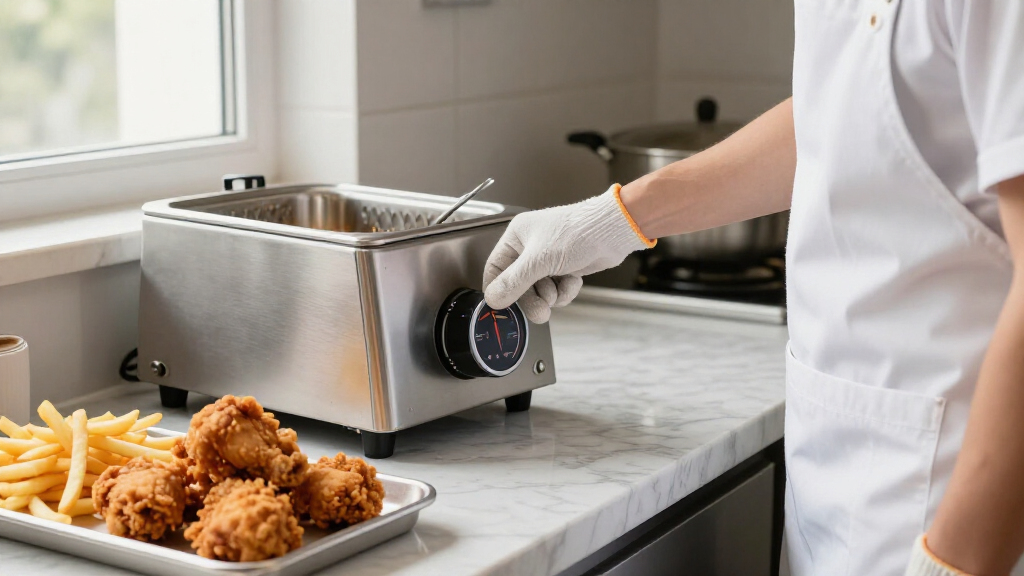
Deep-frying at the right temperature—between 325°F and 375°F—is what makes your food crispy without soaking up too much oil. Too cool, and your food absorbs grease, ending up soggy. Too hot, and it burns before the inside cooks.
Imagine frying a batch of French fries. If the oil’s too cold, they turn greasy and limp, losing their crunch. If it’s too hot, they brown quickly on the outside but remain raw inside, which is frustrating and unappetizing. The ideal temperature—around 350°F—ensures the exterior crisps up fast while the interior cooks evenly. This temperature balance prevents oil from penetrating the food excessively, leading to a lighter, crisper result and reducing the risk of burnt or greasy outcomes. Maintaining this temperature also extends oil life, meaning fewer replacements and less waste. Essentially, temperature controls the quality, texture, and healthiness of your fried foods, making it the most crucial factor in successful frying.
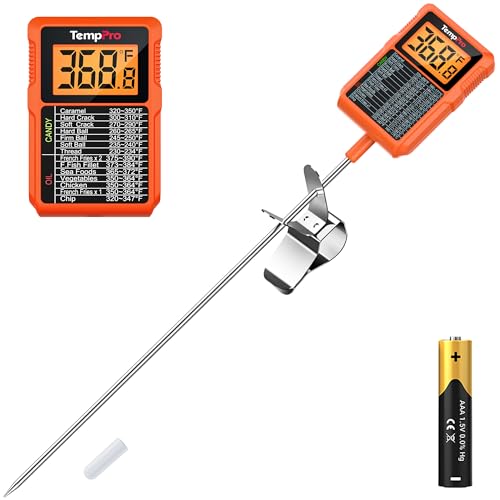
TempPro TempDip 1 Sec Digital Candy Thermometer with Pot Clip & 10" Probe
- Rotating Backlit Display: Adjustable 90° screen for visibility
- Fast Accurate Readings: 1 second with ±0.9℉ accuracy
- Waterproof Design: IPX5 rated for easy cleaning
As an affiliate, we earn on qualifying purchases.
As an affiliate, we earn on qualifying purchases.
How to Find the Perfect Oil Temperature Fast
- Use a reliable deep-fry or candy thermometer clipped to your pot. This tool provides real-time feedback, so you know exactly when your oil hits the target temperature, reducing guesswork.
- Heat your oil slowly over medium heat, watching the thermometer closely. Rapid heating can overshoot your target, leading to burnt flavors or smoke. Patience ensures consistency.
- Drop in a small piece of bread or batter. It should bubble steadily and turn golden in about 60 seconds at 350°F. This quick visual check confirms your oil is ready for frying. Relying solely on sight can be misleading because oil color varies, and smoke points differ among oils. The thermometer provides precise control, preventing under- or over-heating, which can result in soggy or burnt food. This proactive step saves time and ingredients by avoiding failed batches and ensures your food cooks evenly, maintaining optimal texture and flavor.
Remember, oil temperature drops when you add food, so always allow the oil to recover to the proper heat before cooking more. This ensures each batch is fried at the ideal temperature, producing consistently crispy, golden results without excess grease or uneven cooking.
TempPro TempDip 1 Sec Digital Candy Thermometer with Pot Clip & 10" Probe
- Rotating Backlit Display: Adjustable 90° screen for visibility
- Fast Accurate Readings: 1 second with ±0.9℉ accuracy
- Waterproof Design: IPX5 rated for easy cleaning
As an affiliate, we earn on qualifying purchases.
As an affiliate, we earn on qualifying purchases.
Deep-Frying Times for Popular Foods — Quick Reference Chart
| Food | Temperature | Approx. Time |
|---|---|---|
| French fries (½-inch, twice fried) | 325°F then 375°F | 5–6 min, then 2–3 min |
| Fried chicken (bone-in) | 325–350°F | 12–18 min (to 165°F inside) |
| Chicken tenders/nuggets | 350°F | 3–5 min |
| Fish fillets | 350–365°F | 4–6 min |
| Shrimp | 350–375°F | 2–3 min |
| Onion rings | 365–375°F | 2–4 min |
| Doughnuts | 350–365°F | 1–2 min per side |
Time is a guide—color, floatation, and internal temp matter more. Use an instant-read thermometer for safety, especially for poultry and fish. Recognizing the visual cues like bubbling, color, and texture helps refine your judgment, but relying on a thermometer ensures safety and consistency, especially with raw meats or seafood. Overcooking can dry out or burn foods, while undercooking poses health risks. Striking the right balance depends on understanding these indicators and adjusting your timing accordingly.

TempPro Candy Thermometer with Pot Clip, Oil Thermometer for Frying
- Long Probe with Pot Clip: 9-inch probe for safe attachment
- Fast, Accurate Readings: Precise temperature in seconds
- Durable, Battery-Free Design: Shatter-resistant dial and stainless steel
As an affiliate, we earn on qualifying purchases.
As an affiliate, we earn on qualifying purchases.
The Best Oils for Deep-Frying — What Works and Why
- Choose oils with high smoke points—peanut (450°F), canola (400°F), vegetable (up to 450°F), refined safflower or sunflower. These oils can withstand high temperatures without breaking down, maintaining flavor and stability over multiple batches.
- Avoid olive oil or butter—they burn early and can produce off-flavors and acrid smoke, which can ruin your dish and harm your health. Their lower smoke points mean they break down quickly, releasing harmful compounds and imparting bitter tastes.
- Peanut oil is a kitchen classic for its neutral taste and stability at high temps, making it ideal for a variety of fried foods, including turkey frying and crispy chicken. Its resilience reduces the need for frequent oil changes, saving money and effort over time.
Using the right oil not only prevents smoke and flavor transfer but also extends your oil’s life. Keep an eye on smoke points—beyond that, oils break down, creating bitter flavors and harmful compounds. This choice impacts not just the quality of your food but also your kitchen’s safety and your health, making it a crucial consideration for regular fryers.

Gas One Aluminum Cooking Pot Deep Fryer with Basket – 10QT Aluminum Fry Pot with Easy Grip Handle – Durable Food Grade Outdoor Fryer with Perforated Strainer Basket – Ideal for Seafood, Chicken
- Ideal for Frying Seafood and Chicken: Perfect for crispy fried dishes
- High-Quality Aluminum Construction: Durable, food-grade, easy to clean
- Ergonomic Anti-Burn Handles: Safe, non-slip grip for easy handling
As an affiliate, we earn on qualifying purchases.
As an affiliate, we earn on qualifying purchases.
How to Avoid Common Frying Mistakes (and Fix Them)
- Don’t overcrowd the pan—this drops oil temp and leads to soggy, greasy food. Fry in small batches, leaving enough space for heat to circulate and cook evenly. Overcrowding also causes temperature fluctuations, which result in uneven browning and sogginess.
- Let oil recover between batches. Allow 2–3 minutes for the temperature to bounce back to the steady frying range. Failing to do this causes inconsistent results, as the oil’s temperature drops sharply when food is added, leading to greasy or undercooked items.
- Pat foods dry before frying to get crispy crusts. Excess moisture causes splattering and prevents proper browning. Wet batter or damp ingredients turn to steam upon contact, which can make the coating soggy instead of crispy.
- Use a thermometer—guesswork leads to mistakes. A sudden rise in smoke signals it’s time to drain or turn down heat. Consistent temperature control is key to achieving evenly crisp, golden foods and avoiding burnt or greasy outcomes.
Remember, fried foods should float and turn a deep golden. If they stay pale or sink, your oil’s too cool or the batch is crowded. Proper technique and attention to detail prevent common pitfalls, ensuring each batch comes out perfectly crispy and delicious.
The Twice-Fry Technique: How Pros Get Crispy Fries & Chicken
The secret to super crispy fries and Korean fried chicken? Double frying. First, fry at a lower temp (around 325°F) to cook through without browning too quickly. Then, increase heat to 375°F and fry again for a crisp, golden crust. This method creates a layered texture—initial cooking softens the interior, while the second fry crisps the exterior, locking in flavor and moisture.
Imagine frying potatoes. You start with a 5-minute bath at 330°F, which cooks the inside thoroughly. After cooling briefly, you raise the heat and fry for 2–3 minutes. This second blast forms a crackly, golden crust that stays crispy even after cooling or resting. The tradeoff is slightly more effort and time, but the payoff is a restaurant-quality crunch that makes your dishes stand out. This technique also helps with re-crisping leftovers, making it a versatile tool in your frying arsenal.
How Long to Deep-Fry a Whole Turkey — The Quick Guide
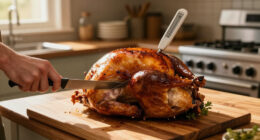
Deep-frying a whole turkey takes about 3 to 3.5 minutes per pound at 350°F. This rapid cooking method results in a moist interior with a crispy skin, but it requires precision. Always fully thaw and dry your bird beforehand—frozen or wet turkeys cause dangerous oil splatters and uneven cooking. A 12-pound turkey, for example, will take approximately 36–42 minutes. Use a meat thermometer to monitor internal temperature, aiming for 165°F in the breast and 175°F in the thigh, which guarantees safety and juiciness.
The timing is crucial—overcooking leads to dry meat, while undercooking poses health risks. The high heat creates a Maillard reaction, giving the skin its characteristic crunch and flavor, but it can also burn if not carefully watched. Consistent oil temperature and proper preparation are key to achieving a perfectly fried turkey with a beautiful, crunchy exterior and succulent interior.
Safety First: How to Handle Oil & Fire Risks
Deep-frying can be safe when you respect the oil’s limits. Never fill your pot more than two-thirds full—hot oil can spill over and cause fires or serious burns. Always use a sturdy, heatproof container and keep your workspace clear of clutter and flammable materials.
Keep a Class K fire extinguisher nearby, and never pour water on a grease fire—this causes dangerous flare-ups. Instead, smother flames with a metal lid or baking soda. Always fry on a stable, non-flammable surface, and keep children and pets away from hot oil. Wearing long sleeves and using tools like tongs also helps prevent splatters and burns.
When you’re finished, let the oil cool completely before straining and storing it in a sealed container. Proper disposal—such as recycling or trash—prevents environmental harm and reduces fire hazards. Following these safety measures minimizes risks and ensures your frying experience remains controlled and secure.
Frequently Asked Questions
What is the best temperature for frying chicken?
Fry chicken at around 350°F to 375°F for crispy, golden skin and fully cooked meat. Use a thermometer to keep the oil steady, especially during busy batches.How do I know when my oil is hot enough without a thermometer?
Drop in a small piece of bread or batter. It should bubble steadily and turn golden in about 60 seconds at 350°F. But a good thermometer remains the most reliable tool.Why does my fried food come out greasy?
Too cool oil causes grease absorption. Overcrowding also drops temperature, leading to soggy results. Fry in small batches and let oil recover between dips.Can I reuse frying oil? How many times?
Yes. Strain and store it in a cool, dark place. Reuse up to 3–8 times, but discard when it darkens, smokes early, or smells rancid.What’s the safest way to dispose of used oil?
Let the oil cool completely, then pour it into a sealed container. Trash it or take it to recycling facilities—never pour it down the drain.Conclusion
Perfect frying isn’t magic — it’s about controlling heat, timing, and technique. When you master these elements, every batch turns out crispy, tender, and just right.
Next time you fry, remember: hot oil, small batches, and patience make all the difference. Your taste buds will thank you with every crunchy bite.