TL;DR

Get kitchen gear delivered free with Prime
- Fast, free delivery on millions of items
- Prime Video, Amazon Music and more included
- Member-only deals all year
Cube timers with preset functions help busy kitchens track multiple dishes simultaneously, saving time and improving accuracy. They come with smart features, customizable presets, and durable designs, making them essential for professional and home cooks alike.
Ever tried juggling multiple dishes at once, only to realize you forgot about that simmering sauce or overcooked the roast? In busy kitchens, time management isn’t just helpful — it’s vital. That’s where cube timers shine. These sleek, versatile gadgets turn chaos into control, helping chefs and home cooks stay on top of every detail.
In this guide, you’ll learn what makes cube timers a must-have, especially with preset timing features. We’ll explore how they work, what recent tech improvements mean for your kitchen, and how to pick the right one for your needs. Ready to turn your kitchen into a well-oiled machine? Let’s get started.
What Exactly Are Cube Timers and Why Do They Matter?
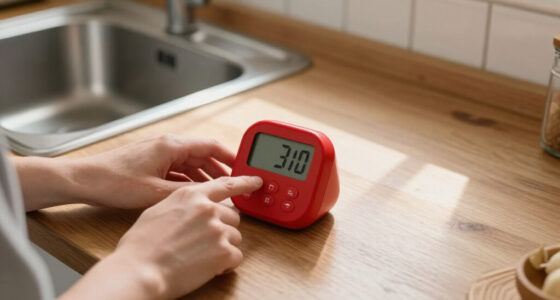
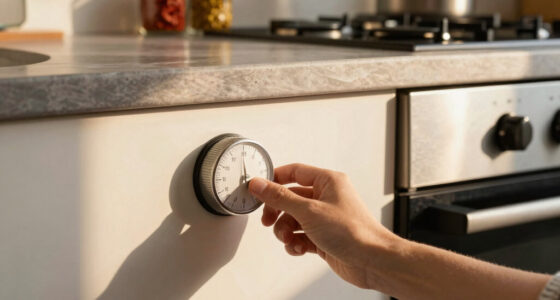
Cube timers are compact, often cube-shaped devices designed to track multiple cooking times at once. Think of them as the conductor of your kitchen orchestra — guiding each dish to perfection without missing a beat. They’re especially handy in professional kitchens where timing precision can make or break a dish, but they’re just as useful at home when preparing a big meal or multiple baked goods.
For example, during Thanksgiving prep, you might set one timer for the turkey, another for the stuffing, and a third for the pie. When each buzzes, you know exactly what to do next—no more guessing or frantic checking.
The key feature that sets cube timers apart is their ability to handle several timers simultaneously, often with preset functions. This allows you to program common cooking durations ahead of time, saving precious seconds in a busy rush. This capability is vital because it helps prevent overcooking or undercooking multiple dishes, which is a common challenge in high-pressure environments. The tradeoff, however, is that more advanced models with multiple presets and connectivity tend to be more expensive and require a learning curve to maximize their features.
As an affiliate, we earn on qualifying purchases.
How Do Preset Timers Save Time in a Fast-Paced Kitchen?
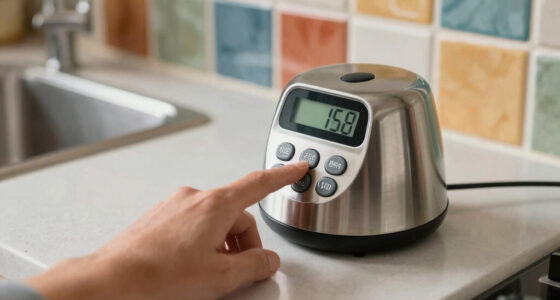
Preset timers let you program common durations—like 15, 20, or 30 minutes—before you even start cooking. When the time’s up, they beep or vibrate, alerting you immediately. This saves you from repeatedly setting timers during a hectic service or meal prep. The importance of this feature lies in its ability to streamline workflow: by pre-loading timers for frequent tasks, chefs and cooks can focus more on the actual cooking rather than managing timers.
Imagine you’re baking cookies, boiling pasta, and roasting vegetables. Instead of juggling three timers, you set each preset once. When the cookies are ready, the timer buzzes; when the pasta’s done, another alert sounds. You’re free to focus on other tasks, confident that no dish will overcook. The implication here is that this reduces cognitive load, minimizes mistakes, and increases overall efficiency. However, there’s a tradeoff: if presets are not set correctly or forgotten, it could lead to missed alerts or over-reliance on automation, so users should balance preset use with regular checks.
According to Timer Tools, using preset timers in a commercial kitchen can cut setup time by at least 20%. That means faster service, less stress, and more consistent results—key factors in competitive and high-volume settings.
As an affiliate, we earn on qualifying purchases.
professional kitchen timer with presets
As an affiliate, we earn on qualifying purchases.
As an affiliate, we earn on qualifying purchases.
As an affiliate, we earn on qualifying purchases.
Halloween Picks
halloween
As an affiliate, we earn on qualifying purchases.