TL;DR
Open a free Amazon Business account
Business pricing, bulk buying and tax-exempt orders.
Create a free accountAs an affiliate, we earn on qualifying purchases.
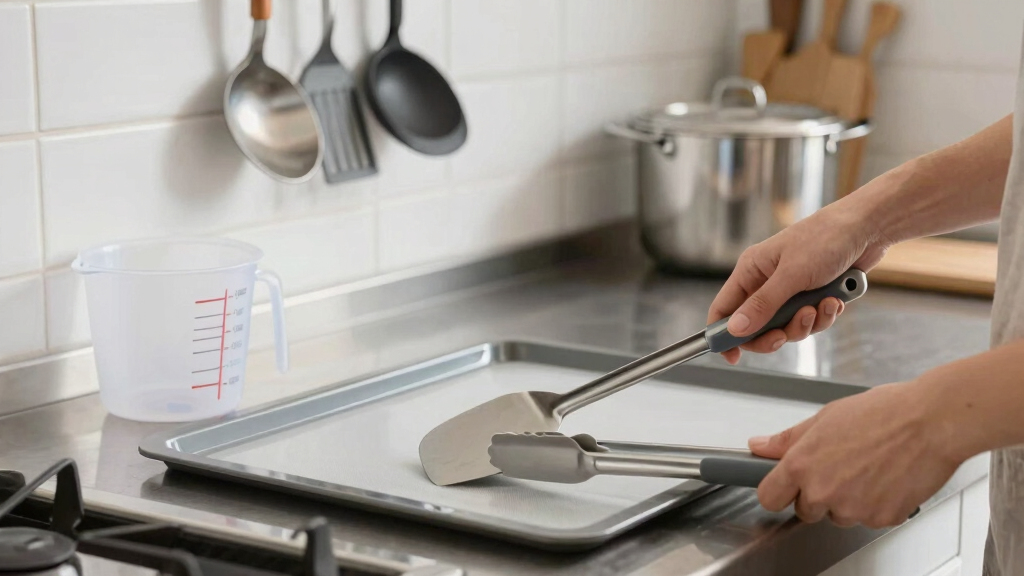
Stainless steel is durable and highly resistant to heat, silicone offers flexibility and non-stick ease, and BPA-free plastics reduce chemical risks. Understanding these helps you choose safer, longer-lasting kitchen tools.
Ever wonder what makes your kitchen tools safe and long-lasting? It’s all about the materials. From shiny stainless steel spatulas to flexible silicone baking mats and BPA-free storage containers, each material comes with its own story and set of perks—and pitfalls.
Choosing the right gadget isn’t just about brand or price. It’s about understanding what’s inside. This guide cuts through the jargon to show you why stainless steel, silicone, and BPA-free plastics are the main players in your kitchen arsenal—and how to pick the best for your cooking adventures.
Stainless steel’s durability and recyclability make it a top choice for long-term kitchen tools.
Silicone offers flexibility and high heat resistance, ideal for baking and non-stick tasks.
BPA-free plastics are versatile and affordable but should be used with care regarding heat and wear.
Recent innovations improve safety, sustainability, and performance across all materials.
Always verify manufacturer guidelines and certifications to ensure safety and environmental responsibility.
What Makes Stainless Steel the Boss of Kitchen Tools?
Stainless steel is a sleek, shiny metal known for its durability and resistance. It’s highly resistant to rust, stains, and corrosion, even after years of use. Imagine a professional chef’s knife—tough, reliable, and easy to clean—that’s stainless steel at work.
For example, a stainless steel whisk won’t warp or stain after whipping cream or mixing batter. It can handle high heat without melting or warping—perfect for stirring hot sauces or sautéing. Plus, it’s non-porous, so bacteria can’t hide in cracks or pores, making it more hygienic.
High-quality stainless steel is also eco-friendly—100% recyclable and often made from recycled metals. Just keep in mind that manufacturing impacts vary, and some stainless steel gadgets can be heavy or pricey.

Stainless Steel Cooking Utensils Set, Berglander 13 Pieces Kitchen Utensils Set, Kitchen Tools Set With Utensil Holder Non-Stick And Heat Resistant,Dishwasher Safe, Easy to Clean (13 Packs)
- Complete 13-Piece Set: Includes various kitchen utensils and holder
- Mirror Polish Finish: Dazzling, high-quality mirror finish for display
- High-Quality Stainless Steel: Rust-resistant, lead-free, food-grade material
As an affiliate, we earn on qualifying purchases.
As an affiliate, we earn on qualifying purchases.
Silicone: Flexible, Non-Stick and Safe for High Heat
Silicone is a soft, rubbery material that’s become a kitchen favorite. Its flexibility allows for easy handling and storage, while its non-stick properties mean baked goods slide out effortlessly, reducing the need for greasing and cleaning. This flexibility also means it can withstand bending and folding without cracking, which is crucial for molds and spatulas.
More importantly, silicone’s high heat resistance—often up to 220°C (428°F)—means you can use it directly in hot pans or oven without worrying about melting or chemical leaching. This stability is vital because it allows for versatile use, from baking to stirring, without compromising safety or performance.
However, this flexibility and heat resistance come with trade-offs. Over time, repeated exposure to high temperatures or aggressive cleaning can degrade silicone’s non-stick coating or structural integrity, potentially leading to tears or staining. Its less rigid nature also makes it less suitable for tasks requiring precision or force, like chopping or stirring heavy doughs. Understanding these nuances helps you select silicone tools that maximize safety and longevity while recognizing their limitations for specific tasks.
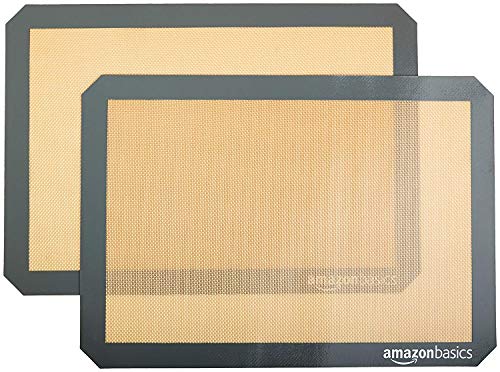
Amazon Basics Silicone Rectangular Baking Mat, Non-Stick, Reusable, Dishwasher Safe, Food Safe, Heat Resistant, 16.5" x 11.6", Beige/Gray, 2-Pack
- Package Includes: 2 silicone baking mats
- Reusable Design: Food-safe and eco-friendly
- Non-Stick Surface: No oil or sprays needed
As an affiliate, we earn on qualifying purchases.
As an affiliate, we earn on qualifying purchases.
BPA-Free Plastics: Affordable, Versatile, but Watch the Heat
BPA-free plastics are popular because they offer an affordable and lightweight alternative to metal and glass. Their versatility allows for a wide range of kitchen applications—from storage containers that keep snacks fresh to utensils that resist staining and odors. The absence of BPA, a chemical linked to hormonal disruptions, makes these plastics appealing for health-conscious consumers.
However, the safety and performance of BPA-free plastics depend heavily on their composition and use. Materials like polypropylene (PP), polyethylene (PE), and Tritan™ are designed to resist leaching under normal conditions, but their stability can be compromised by high temperatures. For example, microwaving plastic containers not labeled as microwave-safe can cause warping, staining, or chemical leaching, which defeats their safety purpose. Over time, repeated exposure to heat and mechanical stress can lead to brittleness, cracking, or clouding, reducing their lifespan and increasing potential health risks.
Understanding these limitations helps consumers make informed choices—using plastics appropriately, avoiding high heat, and replacing worn items—to ensure safety without sacrificing affordability or convenience.
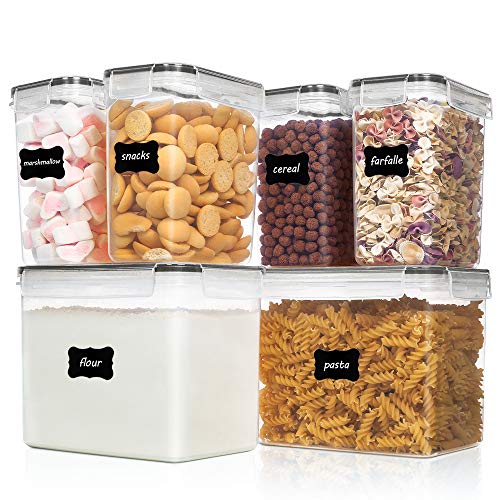
Vtopmart Airtight Food Storage Containers 6 Pieces – Plastic BPA Free Kitchen Pantry Storage Containers for Sugar,Flour and Baking Supplies – Dishwasher Safe – Include 24 Labels, Black
- Variety of Sizes: Includes large and small containers
- Ideal for Food Storage: Perfect for flour, sugar, cereal, and more
- BPA Free Material: Made from durable, food-grade plastic
As an affiliate, we earn on qualifying purchases.
As an affiliate, we earn on qualifying purchases.
What’s New? Trends and Innovations in Kitchen Materials
Recent advances have made kitchen materials smarter and safer. Tritan™ plastics, for example, mimic glass with high clarity and durability, plus better heat resistance. Eco-friendly silicone options are now biodegradable or recyclable, reducing environmental impact.
Manufacturers are also developing coatings—like antimicrobial layers on stainless steel or stain-resistant finishes on plastics—that make cleaning easier and safer. Hybrid tools, such as stainless steel handles with silicone grips, combine strength with comfort.
Stricter safety standards mean fewer chemicals leaching into your food, and more sustainable options are making their way into everyday gadgets. The kitchen of tomorrow now emphasizes both performance and planet-friendliness.
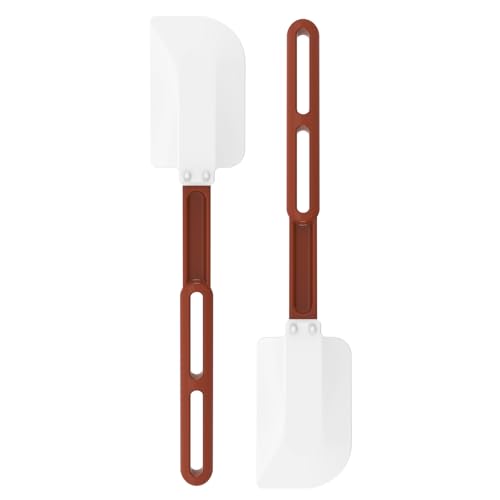
High Heat Resistant Silicone Spatulas, 13-1/2" Commercial Spatula 500°F Heat-Resistant Heavy Duty Spatula Non-Stick Scraper, Ideal for Baking/Cooking/Mixing, Commercial Dishwasher Safe, Set of 2
- Heat-Resistant Material: Resists up to 500°F, food-grade silicone and nylon handles
- Flexible Silicone Blade: Soft yet durable, adapts to container shapes
- Long Handle Design: 13.6-inch handle for safety and reach
As an affiliate, we earn on qualifying purchases.
As an affiliate, we earn on qualifying purchases.
The Truth About Safety and Environmental Impact
While BPA-free plastics reduce certain health risks, they aren’t entirely free of concerns. Some BPA substitutes, like BPS, may still leach chemicals under high heat or prolonged use. Always check for certifications like FDA approval or food-grade labels.
Stainless steel is highly recyclable—up to 90% of stainless steel used in kitchen gadgets can be recycled after decades of use. Silicone, although durable, isn’t always easy to recycle, but some brands now offer take-back or recycling programs.
Plastic safety depends on quality and use. Always follow manufacturer guidelines—avoid microwaving plastics that aren’t labeled microwave-safe, and don’t use brittle or stained plastics for food storage.
Your Most Common Questions About Kitchen Materials Answered
- Are BPA-free plastics completely safe? They significantly reduce chemical risks, but some substitutes might still leach chemicals, especially when heated. Choose high-quality, certified food-grade plastics.
- Can I microwave stainless steel gadgets? No. Metals reflect microwaves, causing sparks and damage. Use microwave-safe containers only.
- Is silicone safe at high temperatures? Yes, most food-grade silicone is safe up to 220°C (428°F). Always check the manufacturer’s recommended temperature limits.
- How environmentally friendly are these materials? Stainless steel is highly recyclable. Silicone can sometimes be recycled or repurposed, while plastics depend on local facilities and quality.
Conclusion
Understanding what your kitchen gadgets are made of helps you cook smarter and safer. Stainless steel, silicone, and BPA-free plastics each serve different roles—choose wisely based on your needs and habits.
Next time you pick up a spatula or storage container, picture it’s not just a tool, but a carefully chosen material working in harmony with your cooking style and values. Your kitchen, your rules.
Summer Picks
summer essentials
As an affiliate, we earn on qualifying purchases.