
TL;DR

Get kitchen gear delivered free with Prime
- Fast, free delivery on millions of items
- Prime Video, Amazon Music and more included
- Member-only deals all year
Green, black, and herbal teas require different steeping times and temperatures because of their unique processing and composition. Proper brewing maximizes flavor and health benefits, while over- or under-steeping can cause bitterness or weak flavor.
Ever noticed how your green tea turns bitter, but your black tea tastes rich and smooth? That’s because they each need a different approach when it comes to steeping. The secret lies in how the leaves are processed and what compounds you want to extract.
In this guide, you’ll learn why green, black, and herbal teas demand distinct times and temperatures. Mastering this will transform your tea game—making every cup more flavorful and healthful.
Why Green Tea Needs Gentle Handling and Short Steeps
Green tea is the most delicate of the bunch. It’s made from unoxidized leaves, which retain a fresh, grassy aroma. Steeping it too long or at too high a temperature releases tannins, turning your brew bitter and astringent.
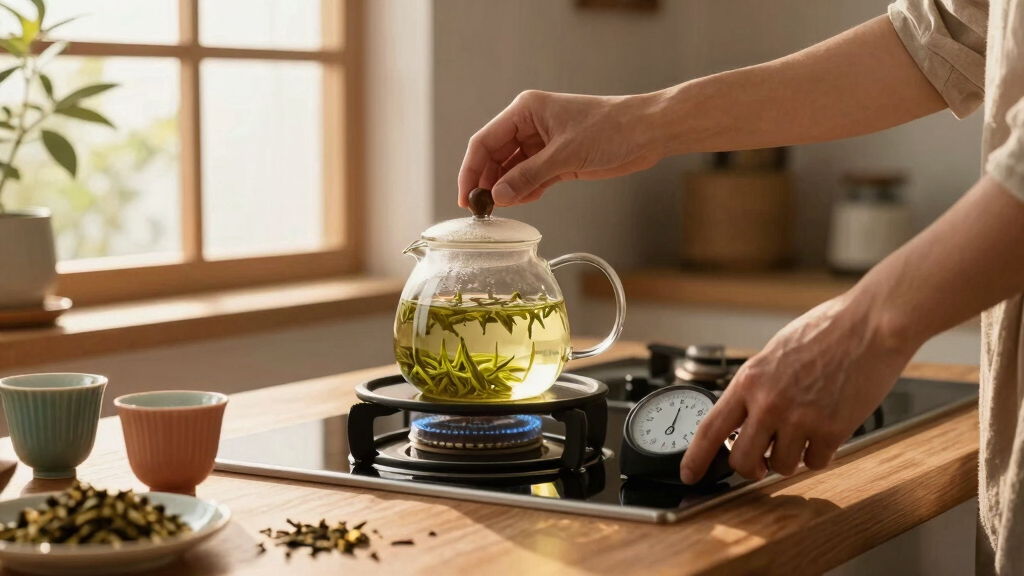
For a perfect cup, steep green tea for only 1–3 minutes at 150–180°F (65–80°C). Use a timer. Think of it like gently coaxing out subtle flavors without overwhelming them.
Imagine pouring hot water over freshly picked green leaves—if you let it sit too long, the chemical compounds become too intense. That’s when bitterness sneaks in. So, a short, precise steep keeps that lush, vegetal flavor intact.
Understanding this balance is crucial because green tea’s delicate nature means it easily loses its nuanced flavors if over-extracted. Conversely, under-steeping can result in a weak, flavorless brew. Finding that sweet spot ensures you enjoy the full spectrum of green tea’s fresh, grassy qualities without the undesirable bitterness.
As an affiliate, we earn on qualifying purchases.
Black Tea: How to Brew It Strong Without Going Overboard
Black tea is fully oxidized, giving it a bold, robust flavor. It can handle longer steeping times, typically 3–5 minutes, and hotter water—near boiling at 200–212°F (93–100°C).
If you steep it too long, the tannins and polyphenols release more, which can make the tea astringent or bitter. But a well-timed brew results in a rich, malty cup full of depth.
Picture yourself brewing a classic English breakfast. You want that full-bodied punch, but if you let it sit 7 minutes instead of 4, you risk a sour, overly tannic flavor. The key is balancing time with temperature.
Longer steeping not only intensifies flavor but can also extract undesirable bitter compounds if not carefully controlled. This is the tradeoff: more extraction leads to richer flavor but risks overpowering your palate with astringency. Using a timer and thermometer helps you strike that perfect balance, ensuring the tea’s boldness without bitterness, preserving its malty, deep notes that define a good black brew.
As an affiliate, we earn on qualifying purchases.
Herbal Teas: Why Longer Steeps Unlock Their Full Flavor
Herbal teas aren’t true teas; they’re infusions of herbs, flowers, and fruits. They often need longer steeping—5 to 7 minutes or more—to fully extract their vibrant flavors.
Imagine brewing a chamomile or peppermint infusion. If you brew it for less than 5 minutes, the flavor is weak and subdued. Let it steep longer, and the aroma of flowers or mint blossoms fills your kitchen.
Boiling water is best here—since many herbs are tough and require high heat to release their oils and flavors. Patience pays off with herbal teas—longer steeping means a richer, more aromatic cup.
Understanding this is important because herbal infusions often contain potent oils and compounds that need sufficient time and heat to be released. Under-steeping results in a bland taste, while over-steeping can cause bitterness or an overly strong herbal flavor that masks the subtlety. Finding the right steeping duration maximizes both flavor and health benefits, allowing the herbs’ natural qualities to shine through.
As an affiliate, we earn on qualifying purchases.
Comparison Table: Steeping Time & Temperature for Different Teas
| Tea Type | Steeping Time | Temperature | Flavor Profile |
|---|---|---|---|
| Green | 1–3 minutes | 150–180°F (65–80°C) | Light, grassy, vegetal |
| Black | 3–5 minutes | Near boiling, 200–212°F (93–100°C) | Rich, malty, bold |
| Herbal | 5–7+ minutes | Boiling, 212°F (100°C) | Floral, minty, fruity |
As an affiliate, we earn on qualifying purchases.
Tips for Perfect Tea Every Time
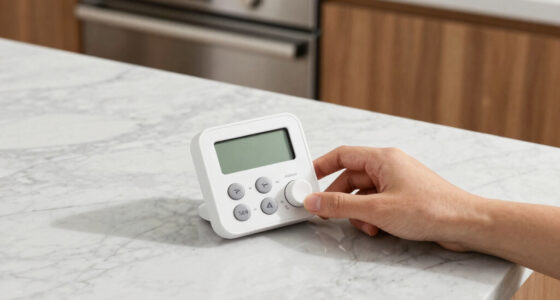
- Use a reliable timer—don’t guess or rush.
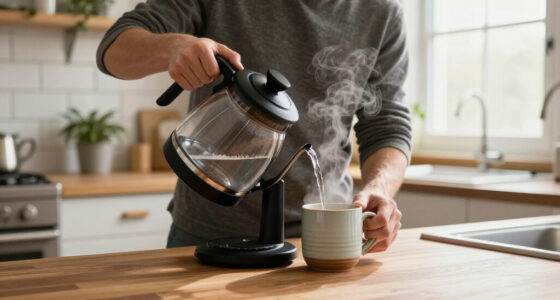
- Temperature matters—use a thermometer or a kettle with temperature control.
- Adjust steeping time based on leaf quality—fresher leaves need less time.
- Don’t squeeze the leaves—let them expand fully for best flavor.
- Experiment with steeping to find your preferred strength.
What Happens if You Steep Too Long or Too Hot?
Over-steeping green tea or brewing at too high a temperature releases excessive tannins, leading to a bitter, puckering taste. Conversely, under-steeping or using water that’s too cool can make the tea weak and flavorless.
Imagine brewing a green tea at 200°F for 5 minutes—your cup ends up grassy but overwhelmingly bitter. Or brewing herbal tea for just 2 minutes—no depth, no aroma.
Following recommended times and temperatures prevents these pitfalls, giving you a smooth, flavorful experience every time.
Choosing the wrong steeping parameters can compromise not only flavor but also the health benefits associated with the antioxidants and phytochemicals in your tea. Over-extraction can introduce excessive tannins and compounds that may upset your stomach or cause astringency, while under-extraction leaves potential health benefits untapped. Precision in timing and temperature ensures you maximize both flavor and health advantages in every cup.
How Your Choice of Tea Affects Steeping Time and Temperature
Processing methods influence how quickly flavors are released during steeping. Green teas are minimally processed, delicate, and require gentle handling. Black teas undergo full oxidation, making them more forgiving of longer, hotter brews. Herbal infusions vary widely but often need extended steeping to extract full flavor.
For example, a high-quality green tea from Japan demands precise, shorter steeping, while a robust Assam black tea can handle a longer, hotter brew without losing its charm.
Adjust your steeping approach based on the tea’s origin and processing to get the best flavor and benefits.
Understanding these differences is essential because it helps you avoid common pitfalls—like over-steeping a delicate green or under-extracting a hearty herbal. Recognizing the processing method guides you in adjusting your steeping parameters to unlock the full potential of each tea, ensuring optimal flavor, aroma, and health benefits.
Key Takeaways
- Green tea is delicate—short, cooler steepings prevent bitterness.
- Black tea benefits from longer, hotter brews—3 to 5 minutes at near boiling works best.
- Herbal infusions need patience—longer steeping unlocks vibrant flavors and aromas.
- Always match steeping time and temperature to your tea type for the best flavor.
- Using precise timing and temperature maximizes health benefits and enjoyment.
Frequently Asked Questions
How long should I steep green tea for the best flavor?
Green tea should steep for about 1 to 3 minutes at 150–180°F (65–80°C). Steeping longer can cause bitterness, so keep a timer handy.
Why does my black tea taste too astringent?
This often happens if you steep it too long—more than 5 minutes—or at too high a temperature. Stick to 3–5 minutes near boiling water for a balanced, rich flavor.
Can I reuse tea leaves?
Many green and black teas can be steeped a second time with slightly longer or hotter water. Herbal infusions are usually best fresh, as they release most flavor in the first steep.
Does steeping time affect health benefits?
Yes. Proper timing extracts antioxidants like catechins in green tea or polyphenols in black tea, maximizing health benefits. Over-steeping can cause bitterness and reduce enjoyment.
Are herbal teas true teas?
No. Herbal teas are infusions of herbs, flowers, or fruits, not from the Camellia sinensis plant. They often need longer steeping for full flavor.
Conclusion
Getting your steeping times right turns a good cup into a great one. The next time you brew, think of it as a delicate dance—each tea demands its own rhythm.
Mastering these simple adjustments makes every sip more satisfying, aromatic, and healthful. Your perfect cup is just a timer away—are you ready to refine your tea game?
Halloween Picks
halloween
As an affiliate, we earn on qualifying purchases.