
TL;DR

Get kitchen gear delivered free with Prime
- Fast, free delivery on millions of items
- Prime Video, Amazon Music and more included
- Member-only deals all year
A two-hour Sunday meal prep can produce 4-6 balanced meals. Planning, batch cooking, and smart storage turn a hectic day into a time-saving habit. Follow this step-by-step schedule for maximum efficiency.
Imagine turning your Sunday into a powerhouse of productivity — all while your kitchen fills with the inviting aroma of freshly cooked food. The secret? A well-structured two-hour meal prep session that transforms chaos into calm. It’s not about spending hours in the kitchen; it’s about working smarter, not harder.
If you want to dodge the weekday dinner scramble, this schedule gives you a clear, bite-sized plan. You’ll learn how to plan, prepare, and store multiple meals efficiently — all in just two hours. Yes, it’s doable, and yes, it’ll change the way you eat during the week.
Planning your menu and shopping list in advance saves crucial time during prep.
Batch cooking using multiple methods like slow cookers and sheet pans cuts down total cooking time.
Prepping ingredients beforehand — chopping, measuring — streamlines assembly and cooking.
Label and store meals properly to maximize freshness and ease reheating.
Stick to simple, shared-ingredient recipes for quicker, more efficient meal prep sessions.
The Two-Hour Sunday Meal Prep Timeline
Turn one focused kitchen session into 4–6 balanced meals. This step-by-step schedule coordinates chopping, batch cooking, assembly and storage so your weekday dinner scramble is already solved.
Build the runway
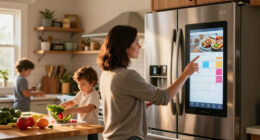
The two-hour session works because decisions happen in advance. Choose simple recipes with overlapping ingredients, shop from one consolidated list and place every tool within reach before Sunday.
Choose 4–6 meals
Favor bowls, salads, wraps and one-pot dishes that remix the same core components.
Group the list
Organize produce, proteins, grains and pantry staples to move through the store once.
Stage the kitchen
Set out knives, boards, sheet pans, pots, timers, appliances and storage containers.
Start longest first
Identify unattended cooks—slow cooker, oven and rice cooker—and launch them early.
Your 120-minute kitchen sprint
Work in waves. The goal is not frantic speed; it is keeping heat sources active while your hands move to the next useful task.
Prep ingredients
Build the mise en place that keeps every later stage moving.
- Wash and dry all produce
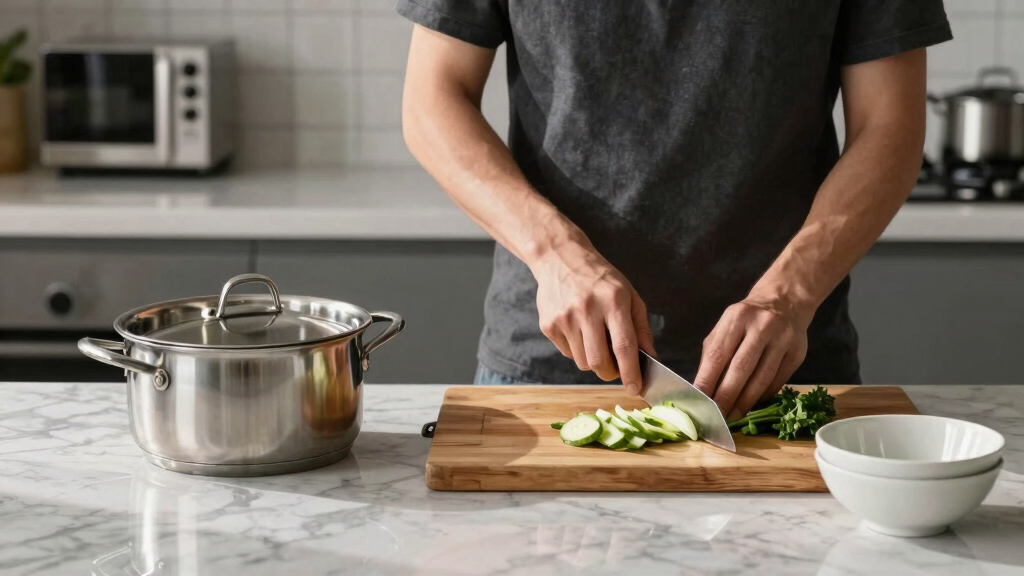
- Dice peppers; slice zucchini and carrots
- Marinate chicken, tofu or tempeh
- Measure grains, spices and sauces
- Preheat oven and boil water
Batch cook in parallel
Match each component to a different cooking zone.
- Roast vegetables and protein on sheet pans
- Simmer beans, pasta or greens on the stove
- Cook rice or quinoa hands-free
- Rotate pans and check doneness with timers
- Cool finished items while others cook
Assemble and store
Turn versatile components into distinct grab-and-go meals.
- Portion grains, protein and vegetables
- Keep dressings and crunchy toppings separate
- Add meal name and preparation date
- Refrigerate near-term meals; freeze extras
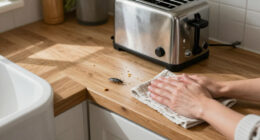
- Wipe surfaces and finish the reset
Match the job to the heat
Every method has a different advantage. Combine one mostly unattended method with one fast, hands-on method to create variety without creating a bottleneck.
| Method | Best for | Time needed | Two-hour fit | Operating note |
|---|---|---|---|---|
| Slow cooker | Chili, shredded chicken, stews | 2–3 hours, mostly unattended | ~Start early | Excellent for large batches; begin before the timed session if the recipe needs longer. |
| Sheet pan | Vegetables, meats, fish | 20–40 minutes | ✓Excellent | Cooks several ingredients at once with little cleanup; set a timer to prevent overcooking. |
| Stovetop | Pasta, grains, sautéed greens | 10–20 minutes | ✓Fast | Flexible and quick, but needs attention and usually handles smaller quantities. |
| Pressure cooker | Beans, rice, tougher cuts | 10–30 minutes | ✓High impact | Compresses long cook times; account for pressure build and release in the schedule. |
Best pairing: sheet pan + rice cooker or pressure cooker + quick stovetop finish.
Spend effort where it compounds
Planning and ingredient preparation have short time costs but unlock the greatest downstream gains. Multitasking then converts passive cooking time into usable capacity.
Relative workflow impact
One system, five connected wins
The strongest benefit is cumulative: each organized decision makes the next step faster, safer and easier to repeat.
Four rules that protect the clock
Meal prep slips when complexity, timing or storage becomes an afterthought. These small controls keep the session flexible without losing momentum.
Keep recipes simple
Use shared ingredients and limit one-off sauces, garnishes and techniques that create extra steps.
Run multiple timers
Label timers by dish so vegetables, grains and proteins can cook simultaneously without guesswork.
Keep spare containers ready
Extra capacity makes room for leftovers, snacks and unexpected yield while supporting portion control.
Adapt instead of rushing
If one item runs late, package finished components first and simplify the lowest-priority task.
Plan once. Cook in parallel. Coast all week.
The real productivity gain is not merely six filled containers—it is removing repeated weekday decisions while keeping nutritious food close at hand.
How to Maximize Your 2-Hour Meal Prep: The Complete Prep Checklist
The key to a successful two-hour meal prep? Preparation. Before you even turn on the stove, you need a checklist that keeps you on track. This includes menu planning, grocery shopping, and gathering your tools. Think of it as your game plan for a smooth, stress-free session.
Start by choosing 4-6 simple, nutritious recipes that share ingredients to save prep time. Create a shopping list based on those recipes, focusing on fresh produce, proteins, grains, and versatile spices. Gather all your containers, knives, cutting boards, and small appliances like slow cookers or Instant Pots. Having everything within arm’s reach makes multitasking seamless and keeps your workflow flowing.
As an affiliate, we earn on qualifying purchases.
Step 1: Prep Ingredients in 20 Minutes — Chop, Marinate, and Measure
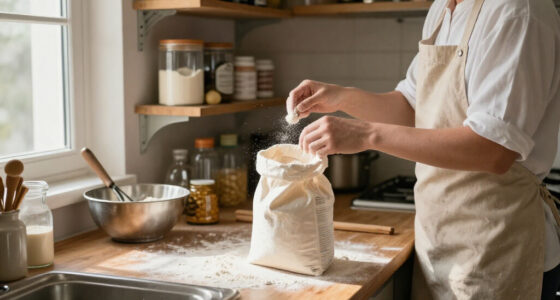
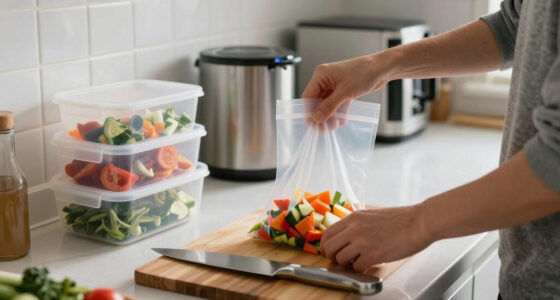
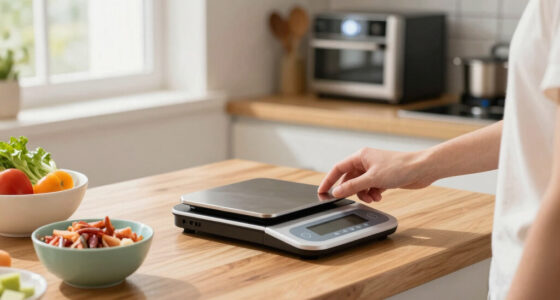
Start by washing, peeling, and chopping your produce. For example, dice bell peppers, slice zucchini, or chop carrots — all in 10 minutes. Properly preparing your ingredients early on is crucial because it sets the foundation for efficient cooking. When ingredients are prepped, you reduce the need for frantic chopping during busy cooking phases, which minimizes mistakes and speeds up the process. Marinating proteins like chicken or tofu in advance allows flavors to develop while other ingredients are prepped, so the flavor infusion happens passively and saves you time later. Pre-measuring grains and spices helps prevent confusion during cooking, ensuring each step flows smoothly and reducing the risk of over- or under-seasoning. This step’s importance lies in its role as a time-saver and quality enhancer—well-prepped ingredients lead to more flavorful, evenly cooked meals and a less stressful cooking experience.
As an affiliate, we earn on qualifying purchases.
Step 2: Batch Cook Main Components — Use Your Favorite Methods
Now it’s time to cook. Use your slow cooker for a large batch of chili or shredded chicken. Roast vegetables on a sheet pan, or cook grains in a rice cooker. For example, bake sweet potatoes while simmering a pot of beans on the stove. Multi-tasking here is your best friend because it maximizes your time efficiency. By cooking multiple components simultaneously, you’re reducing total active cooking time and creating a variety of ingredients that can be combined into different meals later. For instance, roasted vegetables can be added to salads, wraps, or served as sides, while cooked grains serve as a base for bowls or stir-fries. This approach requires strategic planning—knowing what can be cooked together without flavor crossover or overcooking. The tradeoff is that multitasking demands attention to timing and doneness, but the payoff is a significant reduction in overall cooking time and a broader variety of ready-to-eat components, making your meal prep more versatile and efficient.
food storage containers for meal prep
As an affiliate, we earn on qualifying purchases.
As an affiliate, we earn on qualifying purchases.
Step 3: Assemble Meals & Pack in 30 Minutes — Label & Store
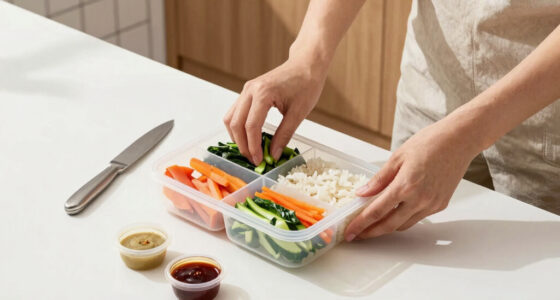
Once everything is cooked, allocate 15-20 minutes to assemble your meals. Fill containers with rice, proteins, and vegetables. For example, create a batch of chicken and veggie bowls, or assemble layered salads in jars. Proper assembly is key to ensuring your meals are not only nutritious but also appealing and easy to reheat. Label each container with the meal name and date so you can easily identify and rotate your meals, reducing waste and ensuring freshness. Using airtight containers prevents spoilage and maintains flavor integrity. For snacks or small meals, portion out nuts, fruit, or yogurt in separate containers to make grab-and-go options. Think about reheating methods—some meals reheat better in the microwave, while others may need oven reheating. Properly stored, meals retain their nutritional value and flavor, which encourages consistent healthy eating habits and reduces the temptation to order takeout or snack unhealthily.
kitchen chopping and measuring tools
As an affiliate, we earn on qualifying purchases.
As an affiliate, we earn on qualifying purchases.
Comparison Table: Batch Cooking Methods & Their Benefits
| Method | Best For | Time Needed | Notes |
|---|---|---|---|
| Slow Cooker | Chili, shredded chicken, stews | 2-3 hours (mostly unattended) | Set it and forget it. Great for large batches that require slow cooking to develop flavors and tenderize ingredients. |
| Sheet Pan Roasting | Vegetables, meats, fish | 20-40 minutes | Allows you to cook multiple ingredients at once with minimal cleanup, but requires monitoring to prevent overcooking. |
| Stovetop Simmer | Pasta, grains, sautéed greens | 10-20 minutes | Quick and versatile, ideal for speed but limited to smaller quantities at a time; best for finishing dishes or preparing side components. |
| Instant Pot / Pressure Cooker | Beans, rice, tougher cuts | 10-30 minutes | Fast cooking method that saves time, especially for ingredients that normally take long hours, but requires some setup and familiarity with the device. |
Tips for Staying on Track & Avoiding Common Pitfalls
- Keep your recipes simple. Focus on dishes that share ingredients to save prep and cooking time. Complex recipes often require more steps and ingredients, which can slow down your schedule and introduce more room for error. Simplicity ensures you stay on track and still enjoy flavorful, nutritious meals.
- Use timers to switch between tasks. For example, set a timer for 20 minutes when roasting vegetables to prevent overcooking and to remind you to check on other dishes. This helps maintain a steady workflow, avoid burnout, and ensures each component is cooked to perfection without constant supervision.
- Prepare extra containers for leftovers or future meals. This not only saves time on subsequent meal prep sessions but also encourages mindful portioning and reduces food waste. Having extra containers ready means you can store ingredients or meals for busy days or unexpected plans, making meal planning more flexible and sustainable.
- Don’t overfill your schedule. If a task takes longer than expected, be ready to adapt. Flexibility is key to avoiding frustration and keeping the process enjoyable. Prioritizing tasks and knowing which steps are flexible helps you stay efficient without feeling overwhelmed.
- Stay organized with labels and clear storage. Proper labeling makes it easier to identify meals quickly and keeps your fridge tidy. Clear storage prevents mix-ups, helps keep track of expiration dates, and makes reheating more straightforward, ultimately encouraging consistent healthy eating habits.
How to Reheat & Store Safely — Keep Food Fresh All Week
Refrigerate meals within two hours of cooking to prevent bacteria growth. Use airtight containers to preserve flavor and texture. For longer storage, freeze meals in portions you’ll eat within 3-4 months.
Reheat leftovers in the microwave, stirring midway, or in the oven at 350°F for about 10-15 minutes. Always check that food reaches at least 165°F for safety. Proper storage not only keeps food safe but also ensures every bite tastes fresh.
Frequently Asked Questions
How do I choose the best recipes for a quick prep?
Select recipes that share ingredients, require minimal steps, and can be cooked in bulk. Think one-pot dishes, sheet pan meals, or slow cooker favorites to save time and effort.What containers work best for meal prep?
Opt for BPA-free, microwave-safe, and leak-proof containers. Glass or high-quality plastic with airtight lids keep food fresh longer and are easy to clean.Can I adapt this schedule for dietary restrictions?
Absolutely. Swap ingredients to fit vegetarian, vegan, gluten-free, or allergy-friendly needs. Focus on recipes with flexible components and customize portions as needed.What if I don’t have all the kitchen tools listed?
You can still succeed with basic tools — a good knife, cutting board, and pots. Use your oven or stovetop creatively, and simplify recipes to fit what you have.Conclusion
Transform your Sunday into a powerhouse of productivity with this two-hour meal prep plan. It’s about working smart, not hard — and setting yourself up for a week of healthy, stress-free eating. Your future self will thank you every time you open the fridge and find a ready-made, delicious meal.
Think of this schedule as your secret weapon against weekday chaos. With a little prep, you reclaim hours, reduce waste, and enjoy more time doing what you love — all while eating well.
Halloween Picks
halloween
As an affiliate, we earn on qualifying purchases.