
TL;DR

Get kitchen gear delivered free with Prime
- Fast, free delivery on millions of items
- Prime Video, Amazon Music and more included
- Member-only deals all year
Organizing your fridge for a week of prepped meals involves setting clear zones, using airtight containers, and maintaining proper temperature. This prevents spoilage, keeps food fresh, and makes your meal routine smoother.
Use a digital or manual thermometer to keep your fridge at 40°F or lower.
Designate specific zones for proteins, veggies, and leftovers to prevent cross-contamination.
Store meals in clear, labeled containers to track freshness and reduce waste.
Place early-week meals at the front for quick access, saving time during busy mornings.
Clean and reorganize your fridge weekly to maintain hygiene and prolong food freshness.
Set the Right Temperature and Zone Your Fridge for Freshness
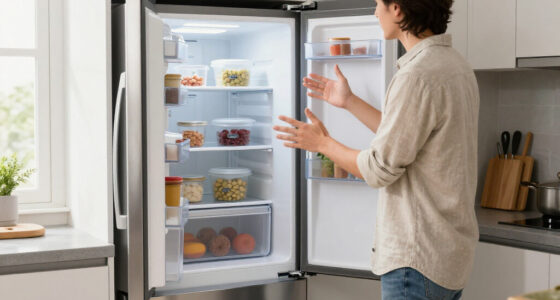
Keeping your fridge at or below 40°F (4°C) is the first step in food safety. Use a simple fridge thermometer to check regularly. Once set, divide your fridge into zones for different food groups: proteins on the bottom, veggies in the crisper, and dairy or leftovers on top shelves. This prevents cross-contamination and keeps everything fresh longer.
For example, store raw chicken on the lowest shelf to avoid drips contaminating other foods. Fruits go in the crisper drawer, while prepped salads or cooked grains sit on middle shelves for easy access. Proper temperature and thoughtful zoning cut spoilage and make grabbing your meals quicker.
Understanding why these zones matter is crucial: raw proteins like chicken or fish contain bacteria that can easily contaminate other foods if not stored properly. Placing them on the lowest shelf minimizes this risk. Meanwhile, produce in the crisper is kept at a slightly higher humidity, which helps preserve freshness. Balancing these zones ensures your fridge maintains an optimal environment for all types of foods, reducing waste and preventing foodborne illnesses.
As an affiliate, we earn on qualifying purchases.
Use Clear Containers and Label Everything for Easy Access
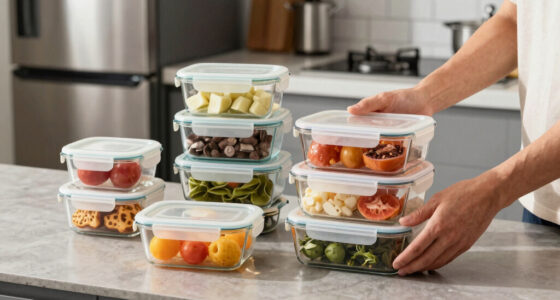
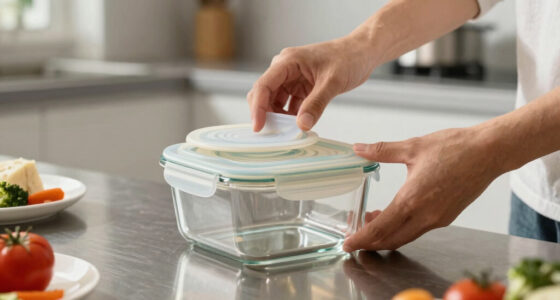
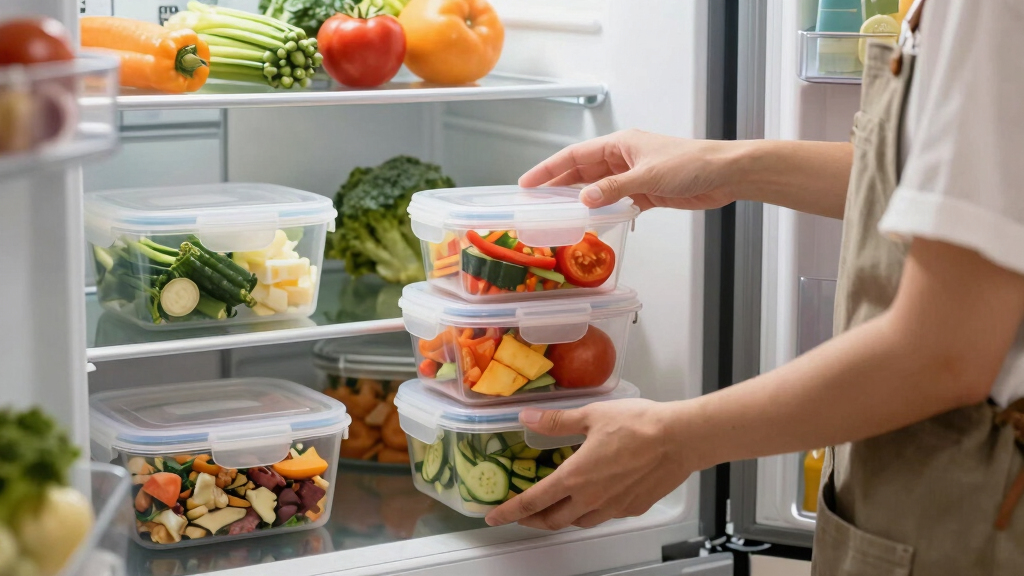
Choose airtight, clear containers for all prepped meals. They stack neatly, save space, and let you see exactly what’s inside. Label each container with the date it was prepped—aim to use meals within 3-4 days. This removes guesswork and helps you prioritize what to eat first.
But beyond simple visibility, labeling and container choice influence your meal planning and waste reduction. Clear containers eliminate the need to open multiple lids or containers to identify contents, saving time and reducing unnecessary exposure to air, which can accelerate spoilage. Proper labeling with prep dates creates a visual timeline, enabling you to consume older meals first—thus minimizing leftovers that spoil unnoticed. Investing in durable, airtight containers also prevents leaks and preserves flavor, ensuring your meals stay fresh longer. These small choices ripple into larger benefits: less food waste, fewer trips to the store, and more efficient meal planning.
As an affiliate, we earn on qualifying purchases.
Prioritize Accessibility to Streamline Your Week
Place the meals you plan to eat early in the week at the front of the fridge or on more accessible shelves. Keep ingredients like pre-washed greens or cooked proteins within arm’s reach. This way, you can grab what you need without rummaging through everything.
But the significance goes beyond convenience: strategic placement reduces decision fatigue and speeds up your daily routine. When you don’t have to search or move multiple items, you’re more likely to stick to your meal plan and eat healthily. Using stackable bins or tiered organizers not only maximizes space but also creates a visual hierarchy—making it obvious at a glance what needs to be eaten soon. This approach minimizes the chance of forgotten leftovers spoiling and helps you stay on top of your meal schedule, saving time and reducing stress during busy mornings or evenings.
In essence, accessibility isn’t just about ease; it’s about creating a system that encourages timely consumption and minimizes waste, which is vital for both your health and your grocery budget.
As an affiliate, we earn on qualifying purchases.
Maximize Space with Smart Storage Tricks
Use stackable containers, adjustable shelves, and drawer organizers to fit more in less space. Consider small bins for condiments or snacks, and use door shelves for drinks or smaller ingredients. When your fridge is tidy, you’ll find what you need faster and avoid overcrowding.
But space optimization also involves strategic reorganization: regularly reassess your storage layout based on your shopping and meal prep habits. For example, stacking multiple smaller containers vertically can free up shelf space for larger meals or bulkier ingredients. Utilizing adjustable shelves allows you to customize the space for different sizes of containers and produce. Additionally, drawer organizers can separate different food types, preventing clutter and making it easier to access specific items. The tradeoff here is balancing space maximization with accessibility—overly packed fridges might be efficient in terms of space but can hinder quick access and airflow, risking spoilage. Regular reorganization helps maintain this balance, ensuring your fridge remains both space-efficient and functionally accessible.
As an affiliate, we earn on qualifying purchases.
Maintain Your Fridge Weekly for Peak Freshness
Set aside a few minutes each week to check for expired or spoiled items. Wipe down shelves with a vinegar solution or mild soap to keep odors at bay. Discard anything over the 4-day mark and reorganize to keep your system running smoothly.
This habit prevents bad smells, mold, and bacterial growth, which can compromise the safety of your food. Regular cleaning and reorganization also help you identify items nearing spoilage, reducing waste and ensuring you consume what’s freshest. Moreover, maintaining a clean fridge prevents cross-contamination and keeps odors from lingering, which can affect the taste and safety of your meals. The tradeoff is time—dedicating a few minutes weekly might seem small, but it pays off by extending food longevity and maintaining a hygienic environment. Consistent upkeep transforms your fridge from a cluttered storage space into a reliable part of your meal routine, supporting healthier eating habits and reducing unnecessary waste.
Latest Trends: Smart Tech and Eco-Friendly Storage
Modern fridges with inventory management and cameras help track what’s inside and when it expires. They send alerts to your phone, making meal prep planning a breeze. Meanwhile, eco-conscious containers—like silicone lids or bamboo storage bins—reduce waste and are safe for your food.
These innovations are more than just tech trends; they reflect a shift towards smarter, more sustainable kitchen practices. Inventory management systems help prevent overbuying and minimize waste by giving you real-time updates about your food. Eco-friendly storage options reduce plastic waste and often last longer, making them a sustainable choice. For example, a fridge with a built-in camera lets you see your contents without opening the door, saving energy and maintaining consistent temperature. Embracing these trends can streamline your organization process, enhance food safety, and contribute to a healthier planet, but they require an initial investment and some adjustment in habits. Weighing the benefits against the costs helps you decide which innovations fit your lifestyle best.
Frequently Asked Questions
How do I prevent prepped meals from spoiling quickly?
Store meals in airtight containers, keep your fridge at or below 40°F, and eat within 3-4 days. Label everything with prep dates to stay on top of freshness. This simple habit keeps your food safe and tasty.
What’s the best way to organize my fridge for meal prep?
Create designated zones for different food groups, use clear containers, and place meals you’ll eat first at the front. Accessibility and visibility are your best friends for quick, stress-free meals.
How long can prepped meals last in the fridge?
Most cooked meals stay good for 3-4 days. Hard cheeses and pickled vegetables can last longer, sometimes up to a week. Always check for signs of spoilage before eating.
Are there specific storage containers you recommend?
Opt for BPA-free, microwave-safe, leak-proof containers. They keep your food fresh, prevent spills, and are easy to clean—making meal prep and storage more convenient.
How can I maximize space in a small fridge?
Use stackable containers, door organizers, and adjustable shelves. Regularly reassess your setup to keep everything accessible and avoid overcrowding, which hampers airflow and freshness.
Conclusion
A well-organized fridge isn’t just tidy—it’s a game-changer for your weekly meal routine. Clear zones, smart storage, and regular upkeep turn chaos into efficiency. Now, every meal prep session feels less like a chore and more like a well-oiled kitchen operation. Get those containers ready and start transforming your fridge today—because a tidy fridge makes a tasty week.Halloween Picks
halloween
As an affiliate, we earn on qualifying purchases.