TL;DR
Listen free for 30 days with Audible
Thousands of audiobooks and originals — cancel anytime.
Start your free trialAs an affiliate, we earn on qualifying purchases.
Properly stored, most cooked foods last 3-6 months in the freezer. Use airtight containers like BPA-free plastic, glass, or silicone bags to prevent freezer burn. Knowing what foods freeze well saves time and keeps your meals tasting fresh.
Imagine pulling a perfectly cooked, flavorful stew from your freezer—still tasting just as good as the day you made it. Freezer meal prep isn’t just about saving time; it’s about creating a stash of flavorful, easy-to-reheat meals that fit your busy life.
But not all containers and foods are equal when it comes to freezing. The right choices make the difference between soggy leftovers and meals that taste fresh months later. In this guide, you’ll learn which containers keep your food safe, which foods freeze best, and how to avoid common pitfalls that spoil your efforts.
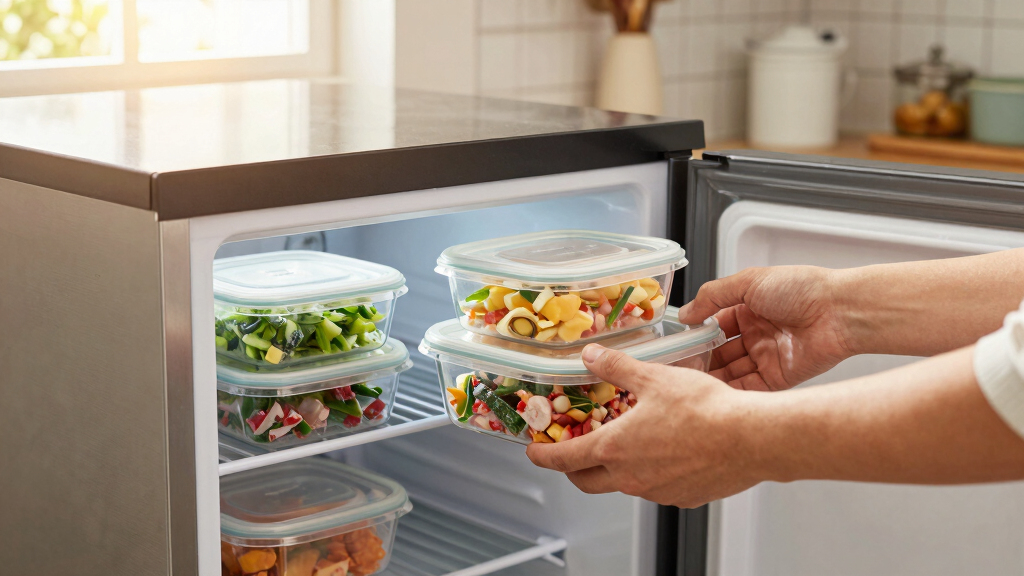
Use airtight, freezer-safe containers—BPA-free plastic, glass, silicone bags, or vacuum pouches—for best results.
Most cooked proteins, vegetables, fruits, grains, and hearty dishes freeze well, but high water content foods do not.
Cool foods completely before freezing and label everything to keep your freezer organized.
Limit freezer storage time to 3-6 months for optimal flavor and texture.
Invest in tools like vacuum sealers and reusable containers to extend freezer life and reduce waste.
What Containers Keep Your Food Fresh and Safe in the Freezer
Choosing the right container is the first step toward successful freezer meal prep. The goal? Prevent freezer burn, avoid leaks, and make reheating a breeze.
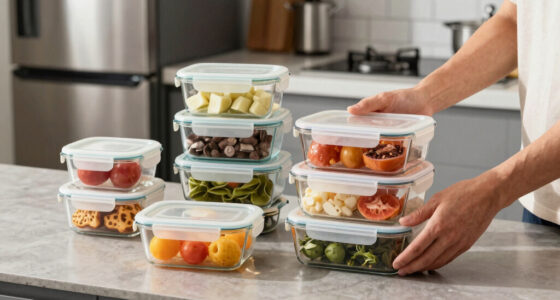
Materials matter. BPA-free plastics are lightweight, budget-friendly, and come in all shapes. They’re perfect for portioning soups or stews. Glass containers are durable, non-porous, and microwave-safe—great for reheat-and-eat meals. Silicone bags and molds are flexible, space-efficient, and ideal for freezing smoothies or small portions.
But beyond material choice, features like airtight seals and stackability are crucial. An airtight seal prevents moisture from entering, which can cause freezer burn—a process that dehydrates and dulls the flavor of your food. Leak-proof lids are essential if you’re freezing liquids or sauces, as spills can create messes and waste. Stackability helps optimize space, especially important if your freezer is compact. Avoid flimsy containers or ones that aren’t airtight—they’ll lead to freezer burn and soggy food, which diminishes flavor and texture over time.
In essence, selecting containers with high-quality seals and durable construction preserves the integrity of your meal, ensuring it tastes as fresh when reheated as it did when first prepared. The right container isn’t just about safety; it’s about maintaining the quality of your food and making your meal prep more efficient and enjoyable.

Rubbermaid Brilliance BPA-Free Food Storage Containers with Lids, Airtight Clear Set of 2 (9.6 Cup), Ideal for Lunch, Meal Prep, and Leftovers
- Material: BPA-free Tritan plastic for clarity
- Durability: Stain and odor resistant
- Microwave Safe: Built-in vents for splatter-resistant reheating
As an affiliate, we earn on qualifying purchases.
As an affiliate, we earn on qualifying purchases.
Foods That Freeze Without Losing Flavor or Texture
Some foods are naturally better suited for freezing because their structure and moisture content allow them to retain flavor and texture over time. Understanding why certain foods freeze well helps you plan your meal prep for maximum freshness.
Cooked proteins like chicken, beef, pork, and seafood are excellent candidates because their dense structure withstands freezing without significant texture loss—if stored properly. For example, a batch of grilled chicken breasts, when frozen in individual portions, can be quickly thawed and used in salads or wraps without becoming rubbery or dry. The key is to cool them rapidly and store in airtight containers to prevent moisture loss.
Vegetables such as broccoli, carrots, and green beans are high in water but can be preserved through blanching—briefly boiling and then shocking in ice water. This process halts enzyme activity that causes spoilage and preserves color, crunch, and flavor. Without blanching, these vegetables may become mushy or discolored after freezing, which diminishes their appeal and nutritional value.
Fruits like berries, mango, and pineapple freeze well because they have a high sugar content that helps maintain cell integrity. Flash freezing them on a tray prevents clumping, making portioning easier later. Proper freezing preserves their vibrant color and texture, so they’re ready for smoothies or desserts without the mushy texture that can develop otherwise.
Grains and legumes—like cooked rice, quinoa, and lentils—are sturdy and freeze well, especially when cooled completely and stored in airtight containers. They can be reheated directly or incorporated into other dishes. Similarly, hearty dishes such as chili, soups, and casseroles are designed for freezing; their flavors often deepen over time, and they reheat evenly if stored properly.
However, some foods with high water content—like lettuce, soft cheeses, or cooked pasta—don’t freeze well because they tend to become limp, mushy, or watery once thawed. Knowing these limitations helps you avoid wasting time and ingredients on foods that won’t hold up in the freezer, saving you frustration and money.

Rubbermaid Brilliance Tritan Plastic Food Storage Containers BPA Free Airtight Lids Ideal for Lunch Meal Prep & Leftovers Set of 5 (3.2 Cup)
- Leak-proof Seal: 100% leak-proof with secure latches
- Crystal-clear Material: Stain- and odor-resistant Tritan plastic
- Lightweight & Durable: Easy to carry and sturdy for daily use
As an affiliate, we earn on qualifying purchases.
As an affiliate, we earn on qualifying purchases.
How to Freeze Food Properly for Maximum Freshness
- Let hot foods cool completely—hot food can cause condensation and ice crystals, which lead to freezer burn and compromised texture. Cooling food rapidly in the fridge or using a cooling rack prevents this issue and preserves quality.
- Portion into meal-sized servings—this not only makes reheating more convenient but also reduces the risk of repeatedly thawing and refreezing, which can degrade texture and flavor over time.
- Use airtight containers or double-wrapping—plastic wrap followed by foil, or vacuum sealing if available—creates a barrier against air and moisture, which are primary causes of freezer burn and flavor loss.
- Label each container with date and contents—this practice helps you keep track of storage times and ensures you use older items first, maintaining a rotation that preserves freshness.
- Leave some space in containers—foods expand as they freeze, so overfilling can cause cracks or leaks. Allowing room prevents container damage and maintains the integrity of the seal, which is critical for preserving flavor and preventing freezer burn.

Chef Preserve Compact Vacuum Sealer for Food (Vacuum Sealer Machine + 30 Reusable Vacuum Bags) Powerful Handheld Vacuum Sealer Machine, Seal Meal Saver, Portable Food Sealer
- Fast Food Sealing: Seals food in under 5 seconds
- Easy to Operate: One-button vacuum sealing
- Reusable & Safe Bags: Dishwasher, freezer, microwave safe
As an affiliate, we earn on qualifying purchases.
As an affiliate, we earn on qualifying purchases.
Latest Innovations Making Freezer Meal Prep Easier
New storage tech makes freezing more efficient than ever. Silicone storage bags and collapsible containers save space and are gentle on the environment. Many now are freezer-safe, microwaveable, and dishwasher-friendly.
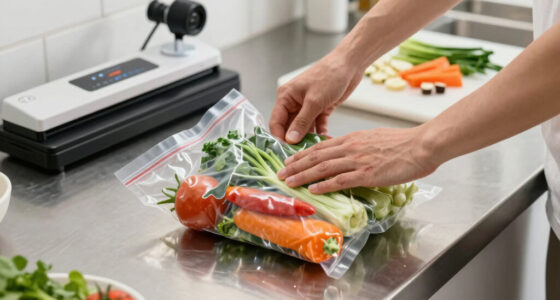
Vacuum-sealing machines are gaining popularity, especially for long-term storage. By removing air, they cut down on freezer burn and extend shelf life by up to 50%. This technology is particularly beneficial for bulk prep or when storing more expensive ingredients, ensuring they stay fresh longer and reducing waste.
Digital tools and printable labels help keep your freezer organized. Imagine a color-coded system that shows which meals need to be eaten first—no more mystery containers or forgotten leftovers. These innovations streamline your process, making freezer meal prep less of a chore and more of a strategic part of your meal planning.
Sustainability is also on the rise. Reusable containers and eco-friendly storage solutions help cut down on plastic waste, aligning your meal prep habits with environmentally conscious practices without sacrificing food quality or safety.

Reusable Storage Bag, 12 Pack 100% Silicone Food Storage Bags Stand Up Silicone Zip Lock Bags for Food Container, Freezer Microwave Oven Dishwasher Safe, 4 Medium 4 Small 4 Extra Small, Translucent
- Food-Grade Silicone Material: Safe, non-toxic, BPA-free, durable silicone
- Multi-Use Compatibility: Microwave, freezer, oven, dishwasher safe
- Secure Zip-Lock & Stand-Up: Easy sealing and upright storage
As an affiliate, we earn on qualifying purchases.
As an affiliate, we earn on qualifying purchases.
What You Need to Know About Freezer Storage Times and Safety
Good news: most cooked foods stay safe and tasty in the freezer for 3 to 6 months. Beyond this period, flavor and texture may decline, but they are still generally safe to eat if kept frozen properly. The key is to understand that quality diminishes over time, so planning your consumption helps you enjoy meals at their best.
Proper storage prevents freezer burn—which appears as dry, pale patches that dehydrate food and cause a loss of flavor and texture. Using airtight containers, removing excess air from bags, and wrapping foods tightly are essential steps. For instance, pressing out as much air as possible from freezer bags before sealing significantly extends freshness.
Remember, freezing doesn’t kill bacteria; it halts their growth. Therefore, safe thawing methods—like refrigerator thawing, cold water immersion, or microwave—are critical to prevent spoilage. Leaving food out at room temperature for too long can allow bacteria to multiply rapidly, increasing risk of foodborne illness. Proper handling and timely consumption are vital to enjoying your frozen meals safely and at their peak quality.
Your Top Questions About Freezing Meals Answered
- What containers are best for freezing meals? BPA-free plastics, glass, silicone bags, and vacuum-sealed pouches top the list for safety and longevity. They each have unique advantages—plastic is versatile and lightweight, glass is durable and non-porous, silicone bags are flexible and space-efficient, and vacuum pouches minimize air exposure for longer storage.
- Which foods freeze poorly? High water content items like lettuce, soft cheeses, and cooked pasta tend to become mushy or watery after thawing, which can be unappetizing and affect dish quality. Knowing these limitations helps you plan better and avoid wasting ingredients.
- How long can I store meals in the freezer? Most cooked dishes are best enjoyed within 3-6 months to maintain optimal flavor and texture. While they remain safe beyond that, quality diminishes over time, so organization and rotation are key.
- How do I prevent freezer burn? Use airtight containers, wrap foods tightly with plastic or foil, and remove excess air from storage bags. These steps create a barrier against moisture loss, preserving both flavor and texture.
- Can I reheat meals directly from the freezer? Yes, many meals are designed for reheating straight from frozen—using microwave, oven, or stovetop—without thawing first. This convenience is a major benefit of freezer meal prep, but always follow specific reheating instructions to ensure safety and quality.
Conclusion
Freezer meal prep isn’t just a time-saver—it’s a way to bring home-cooked flavor to your busiest days. With the right containers and a clear understanding of what freezes well, you can build a freezer stash that tastes just as fresh as when you made it.
Next time you cook, think of your freezer as a treasure chest of convenience. Fill it wisely, label diligently, and enjoy the ease of having ready-to-go meals anytime.
Back to school Picks
back to school
As an affiliate, we earn on qualifying purchases.