
TL;DR

Get kitchen gear delivered free with Prime
- Fast, free delivery on millions of items
- Prime Video, Amazon Music and more included
- Member-only deals all year
Controlling portions is key to reaching your goals—whether losing weight, building muscle, or maintaining. Using tools, planning ahead, and understanding your needs make it simple and sustainable.
Ever feel like you’re doing everything right—eating clean, hitting the gym—but the scale won’t budge? That’s often because portion sizes are off, even when your food choices are solid. Smart meal prep and portion control aren’t about restriction; they’re about working with your goals to make every bite count.
In this guide, you’ll learn how to measure with confidence, tailor your meals to your goals, and keep your kitchen habits flexible enough to stick long-term. No fluff, just clear steps to help you eat smarter and reach your targets faster.
Use visual cues and hand measurements to estimate portions when scales aren’t available.
Adjust your meal portions based on your specific goal—smaller for weight loss, larger for muscle gain.
Batch cooking and pre-measuring meals keep your portions consistent and eliminate guesswork.
Prioritize nutrient-dense foods to maximize satiety and nutritional value within controlled portions.
Combine mindful eating with portion control to build sustainable, healthy habits.
Portion Control Fundamentals
Prep meals for the goal you actually have. Portion control is not about making every plate smaller. It is the practice of matching quantity, quality, and timing to fat loss, muscle gain, or maintenance—without turning food into a daily math test.
Potential improvement in compliance when practical visual portion cues make the plan easier to follow.
Approximately one practical serving of meat, fish, tofu, or another protein-rich food.
Consistency matters, but activity, hunger, progress, and recovery should guide adjustments.
Master portions without a scale
Measuring cups and food scales improve precision, but visual references keep you consistent when eating out, traveling, or moving through a busy day.
Protein
Deck of cards
Cooked meat, fish, or tofu
Approximately 3–4 oz
Grains
Baseball
Cooked pasta, rice, or grains
Approximately ½ cup
Produce
Tennis ball
Fruit or vegetables
Approximately 1 cup
Fats
Small handful
Nuts or seeds
Approximately 1 oz
Your built-in measuring kit: use a palm for protein, a fist for carbohydrates or produce, and a thumb for calorie-dense fats. Hand size scales roughly with body size, making this a useful starting point—not a rigid prescription.
Match the plate to the goal
The same nutritious meal can support different outcomes. The adjustment is usually in serving size, protein emphasis, and energy-dense carbohydrates or fats—not a complete menu overhaul.
| Goal | Typical portion focus | Why it matters | Watch for |
|---|---|---|---|
| Weight loss | −Smaller, calorie-aware servings | Supports an energy deficit while protein, fiber, and high-volume produce help preserve fullness. | Portions that are too small can increase hunger, reduce energy, and make consistency harder. |
| Muscle gain | +Larger, protein-rich servings | Provides amino acids and energy for training recovery, muscle repair, and growth. | Adding energy too aggressively can promote unwanted fat gain alongside muscle. |
| Maintenance | ~Balanced, repeatable servings | Keeps energy intake and body composition relatively stable while allowing flexibility. | Small, unnoticed portion increases can accumulate when routines or activity levels change. |
Build a consistency system
Batch cooking moves portion decisions from the busiest part of the week to one planned session. That reduces guesswork, impulsive eating, and decision fatigue.
Choose
Select one protein, one carbohydrate, and two colorful vegetables.
Cook
Prepare enough base ingredients for several meals in one session.
Measure
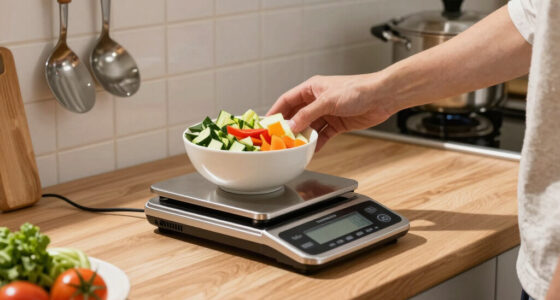
Use a scale, measuring cup, or reliable visual reference.
Divide
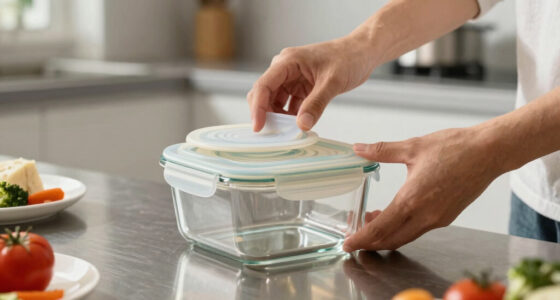
Portion food into clear containers before storing it.
Label
Add the meal name, date, and target macros when useful.
Start with 4 oz chicken, ½ cup cooked rice, and a fistful of vegetables; adjust according to goal, activity, hunger, and progress.
Quality changes how a portion feels
A controlled portion only works when it is satisfying enough to repeat. Lean proteins, whole grains, legumes, fruit, and colorful vegetables provide more fiber, micronutrients, and useful nutrition per calorie than many heavily processed snacks.
The practical advantage: nutrient-dense foods can create a fuller-looking plate and steadier energy without requiring oversized calorie intake. Portion quantity and food quality work best as a pair.
Satiety potential
Conceptual comparison based on protein, fiber, volume, and nutrient density.
These bars illustrate a general pattern, not exact nutrition scores. Preparation method and the complete meal still matter.
Make mindful eating the feedback loop
Pre-portioned food sets a useful boundary. Mindful eating tells you whether that boundary fits your actual hunger, satisfaction, training demands, and daily routine.
Pause before eating
Ask whether the signal is physical hunger, habit, boredom, stress, or convenience.
Slow the pace
Take smaller bites, chew fully, and remove distractions so fullness has time to register.
Review the result
Notice energy, digestion, recovery, and satisfaction; then adjust future portions gradually.
Portion control FAQ
Use structure where it helps, flexibility where life demands it, and progress over time as the final measure.
How do I measure without a food scale?
Use a deck of cards for protein, a baseball for cooked grains, or your palm, fist, and thumb as portable references.
How do I stay motivated to meal prep?
Set a specific goal, keep the routine short, rotate flavors, and store ready-to-eat portions where they are easy to see.
What if my activity level changes?
Increase or reduce portions gradually—especially carbohydrates around activity—then monitor hunger, performance, and progress.
How do I manage restaurants or social meals?
Use visual cues, eat slowly, prioritize protein and produce, and treat one flexible meal as part of the plan rather than a failure.
Can portion control become too restrictive?
Yes. Persistent hunger, anxiety around food, low energy, or rigid avoidance are signals to loosen the system and seek qualified support.
Which tools are most useful?
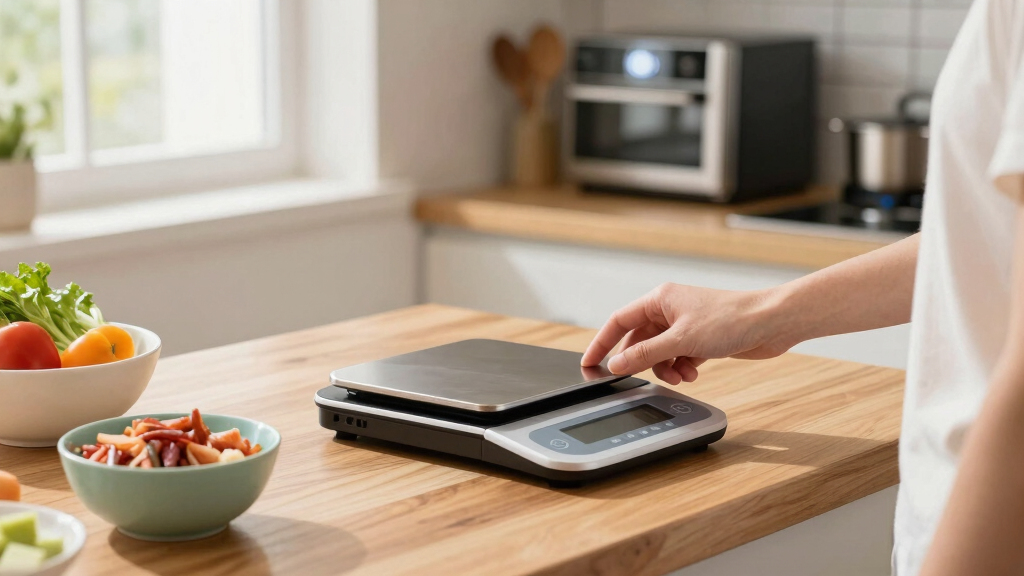
A digital scale, measuring cups, clear containers, labels, and a simple tracking app can help—but the best tool is the one you can use consistently.
Your five-part formula
- Estimate portions with visual cues when precision tools are unavailable.
- Adjust serving sizes to match fat loss, muscle gain, or maintenance.
- Batch cook and divide meals before the busy week begins.
- Prioritize protein, fiber, produce, and minimally processed foods.
- Use hunger, fullness, recovery, and progress to refine the plan.
How to Master Portion Sizes Without a Scale
Think you need fancy tools to control portions? Not always. Visual cues are your best friends. For example, a serving of cooked chicken roughly matches the size of a deck of cards—about 3-4 ounces. A half-cup of cooked pasta looks like a baseball. These simple comparisons can keep you honest even when you’re in a hurry or out at a restaurant.
Here’s a quick list to help you estimate common portions:
- Protein (meat, fish, tofu): deck of cards (~3-4 oz)
- Cooked grains or pasta: baseball (~1/2 cup)
- Fruits or vegetables: tennis ball (~1 cup)
- Nuts or seeds: small handful (~1 oz)
Using your hands works too—palm for protein, fist for carbs, thumb for fats. It’s not perfect, but it’s better than guessing blindly. These methods help bridge the gap when precision tools aren’t available, ensuring you don’t unintentionally overeat or restrict yourself. Over time, developing an eye for these visual cues enhances your ability to maintain consistent portions, which is crucial for reaching your goals without obsessing over every gram.
digital kitchen food scale for portion control
As an affiliate, we earn on qualifying purchases.
As an affiliate, we earn on qualifying purchases.
Aligning Portions with Your Goals: What to Eat When Trying to Lose, Build, or Stay
Portion control isn’t one-size-fits-all. It depends on your goal—losing fat, gaining muscle, or maintaining. But beyond just reducing or increasing amounts, understanding why certain portions matter helps you make smarter choices. For example, smaller portions for weight loss aren’t just about eating less—they help create a calorie deficit, which is essential for fat loss. Larger portions for muscle gain provide the necessary fuel for recovery and growth, but if you overdo it, you risk gaining unwanted fat. Striking a balance is key.
The table below illustrates how adjusting portion sizes aligns with your goals and the implications for your body composition:
| Goal | Typical Portion Focus | Why It Matters |
|---|---|---|
| Weight Loss | Smaller, calorie-controlled servings | Reduces total calorie intake, creating a deficit that promotes fat loss. However, too-small portions can lead to hunger and nutrient deficiencies, so balancing is crucial. |
| Muscle Gain | Larger, protein-rich portions | Provides the necessary amino acids and energy for muscle repair and growth. Overestimating can cause unwanted fat gain, so portion control ensures you get enough without excess. |
| Maintenance | Balanced, consistent portions | Supports stability in weight and body composition. Maintaining an appropriate balance prevents unintended gains or losses. |
Understanding these nuances helps you tailor your intake not only by quantity but also by the quality and timing of your meals. For instance, a slightly larger protein portion post-workout can optimize recovery, while smaller, nutrient-dense meals throughout the day sustain energy levels without excess calories. Recognizing the tradeoffs—such as sacrificing fullness for calorie control—enables smarter decisions aligned with your priorities.
meal prep containers with portion compartments
As an affiliate, we earn on qualifying purchases.
As an affiliate, we earn on qualifying purchases.
Batch Cooking and Pre-Portioned Meals: Your Shortcut to Consistency
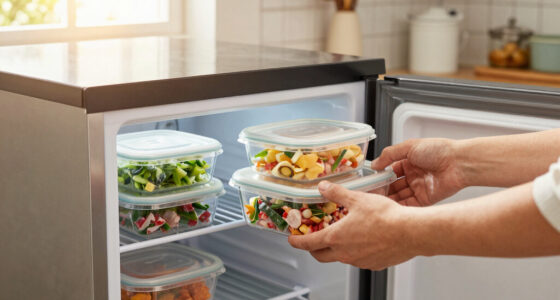
Imagine opening your fridge and seeing perfectly-sized meals waiting for you. Batch cooking and pre-measuring make this possible. For example, cook a big batch of chicken, rice, and vegetables on Sunday. Divide into five containers, each with pre-measured portions—say, 4 oz of chicken, 1/2 cup of rice, and a fistful of greens.
This reduces impulsive eating and keeps your portions in check. Plus, it saves time and mental energy during busy weekdays.
Pro tip: Use clear containers and write the meal’s target macros on top. It’s a visual reminder that keeps you aligned with your goals. Pre-portioned meals also help prevent accidental overeating and ensure you’re consistently meeting your nutritional targets, which is especially important when managing specific macronutrient ratios for fat loss or muscle building. The consistency built through batch cooking can significantly improve your adherence and results over time.
meat portion size visual cues guide
As an affiliate, we earn on qualifying purchases.
As an affiliate, we earn on qualifying purchases.
Why Nutrient Density Matters More Than Just Calories
Focusing only on portion sizes can backfire if your food choices are junk. Nutrient-dense foods—like lean meats, whole grains, and colorful veggies—fill you up faster and nourish your body better. For example, a cup of spinach has fewer calories than chips but offers more vitamins and fiber. Choosing nutrient-dense foods within your controlled portions ensures you’re not just managing quantity, but also quality, which impacts your energy, recovery, and overall health.
When you prioritize nutrient density, you get more micronutrients and fiber per calorie, which helps regulate hunger and supports metabolic health. This means you can eat satisfying portions that promote fullness and satisfaction without excess calories. Conversely, foods low in nutrients but high in calories—like processed snacks—may lead to overeating and nutrient deficiencies, undermining your progress. The key is to find a balance where your portions are both satisfying and rich in essential nutrients, making your diet sustainable and effective in the long run.
As an affiliate, we earn on qualifying purchases.
Mindful Eating and Portion Control: How to Stay on Track
Portion control isn’t just about measuring. It’s also about tuning into how you feel. When you sit down to eat, ask yourself: Am I really hungry, or is this boredom? Take small bites, chew slowly, and savor each flavor. This habit helps prevent overeating and makes your portions feel more satisfying.
For example, if you’re craving something sweet after dinner, a small piece of dark chocolate can do the trick—more satisfying than mindless snacking. Practicing mindful eating trains your brain to recognize hunger and fullness cues, which can be dulled by fast eating or emotional eating. Over time, this awareness helps you avoid unnecessary calorie intake, supports digestion, and fosters a healthier relationship with food. Combining mindfulness with portion control creates a sustainable approach that reduces the likelihood of overeating while still allowing enjoyment.
Frequently Asked Questions
How do I measure portions without a food scale?
Use visual cues like a deck of cards for meat or a baseball for pasta. Your hand measurements—palm for protein, fist for carbs—are also handy. These tricks keep you honest when scales aren’t around.
What’s the best way to stay motivated to stick with meal prep?
Set clear goals, prepare meals in advance, and keep a variety of foods to avoid boredom. Seeing your pre-portioned meals in the fridge acts as a visual motivator and makes sticking to your plan easier.
How do I adjust portion sizes when my activity level changes?
Increase portions of carbs and protein on active days to fuel recovery, and dial back slightly on rest days. Listen to your body and tweak your portions gradually for sustainable progress.
Are there risks to overly restrictive portion control?
Yes. It can lead to nutrient deficiencies and feelings of deprivation, which may cause binge eating. Balance and flexibility are key—aim for controlled, nourishing meals rather than extreme restrictions.
How can I enjoy social meals without losing control?
Plan ahead when eating out. Share dishes, choose smaller portions, or ask for half-sized servings. Focus on savoring your food and being mindful—this keeps your goals in check without missing out.
Conclusion
Portion control isn’t about deprivation; it’s about smart choices and consistency. Whether you’re prepping for fat loss or muscle gain, understanding how much to eat makes all the difference. Remember, tiny adjustments now lead to big results over time.
Next time you plan your meals, focus on accuracy, variety, and mindfulness. Your goals are within reach—one well-measured bite at a time.
Halloween Picks
halloween
As an affiliate, we earn on qualifying purchases.