TL;DR
Listen free for 30 days with Audible
Thousands of audiobooks and originals — cancel anytime.
Start your free trialAs an affiliate, we earn on qualifying purchases.
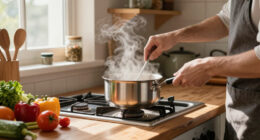
Reheating prepped meals safely means hitting 165°F internally, stirring for even heat, and timing it right—usually within 2 minutes. Modern gadgets and clear guidelines make it easy to avoid bacteria and keep food fresh.
Ever reheated leftovers only to find cold patches or a weird smell? That’s because improper reheating can leave bacteria alive or create uneven heat zones. If you want your meals to be both safe and tasty, understanding the right temperatures and timing is key.
This guide will walk you through the essentials—how to heat evenly, use the right tools, and avoid common pitfalls. No fluff, just practical advice to keep your food safe and delicious.
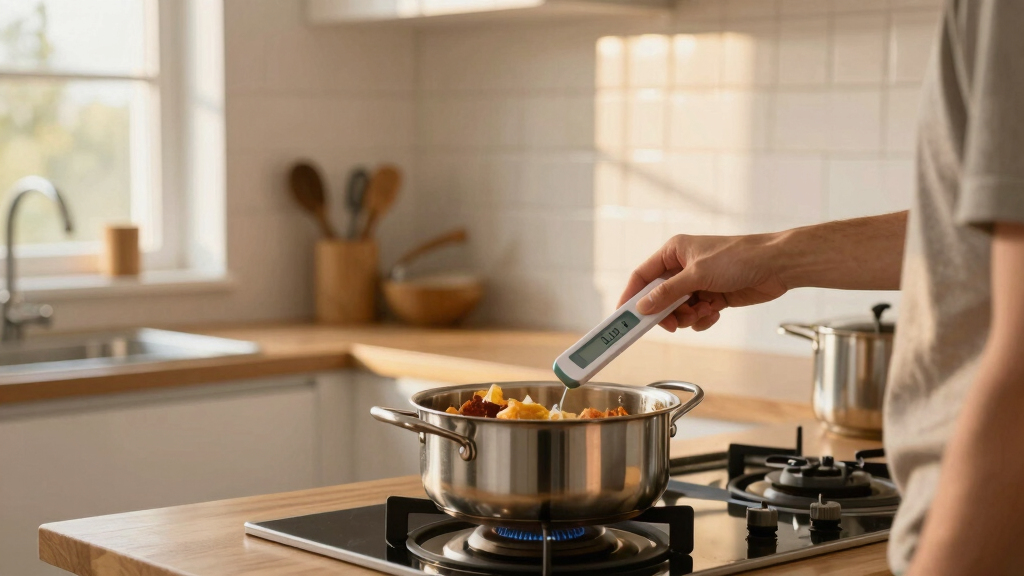
Always verify reheated food reaches 165°F using a food thermometer.
Stir or rotate food during microwave reheating to prevent cold spots.
Cool leftovers quickly and store at or below 40°F to prevent bacterial growth.
Reheat small portions quickly—usually within 2 minutes in the microwave.
Avoid reheating the same meal multiple times to reduce health risks.
Reheating Prepped Meals Safely
Safe reheating is a three-part discipline: reach 165°F internally, eliminate cold spots, and move food through the bacterial danger zone quickly. Heat the whole meal—not merely its surface.
74°C at the center and in several other spots, verified with a food thermometer.
Three controls keep every bite safe
Time alone cannot confirm safety. Portion size, density, starting temperature, appliance wattage, and container shape all change how quickly the center heats.
Verify 165°F
Insert a food thermometer into the thickest or coolest area. Check the center, edges, and more than one location.
Stir or rotate
Pause midway through microwave heating. Stir dense foods, turn solid portions, and rotate the dish to break up cold zones.
Cool and store fast
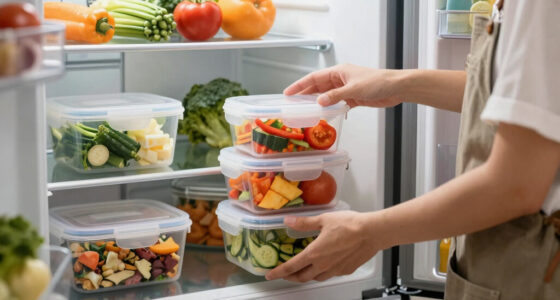
Transfer leftovers into shallow containers, refrigerate within two hours, and keep storage temperature at or below 40°F.
From refrigerator to safely reheated
Each link protects the next. Unsafe cooling or storage cannot always be corrected by reheating because some bacterial toxins may resist heat.
Uneven heating can leave cooler pockets where organisms such as Clostridium perfringens or Bacillus cereus remain a concern. Stirring, standing time, and multi-point temperature checks reduce that risk.
Choose the tool for the food
The fastest method is not always the most even. Match the appliance to portion size, moisture, density, and the texture you want to preserve.
| Method | Typical speed | Best for | Even heating | Texture | Required action |
|---|---|---|---|---|---|
| Microwave | 1–3 min | Small portions, quick lunches | ~Variable | ~Soft | Cover, pause, stir, rotate, then probe |
| Oven | 15–30 min | Casseroles, larger portions, crisp foods | ✓Strong | ✓Best crispness | Cover when needed; rotate and check center |
| Stovetop | Fast + controlled | Soups, stews, sauces, stir-fries | ✓Strong | ✓Controlled | Stir continuously and bring liquids through |
| Slow cooker | Slow | Holding already-hot food | ~Consistent | ~Moist | ✗Avoid as the primary leftover reheater |
Safety check: regardless of appliance or elapsed time, the food is ready only after the internal temperature reaches 165°F throughout.
Heat quickly, verify patiently
These ranges are planning guides, not substitutes for a thermometer. Larger, colder, or denser portions require more time and additional checks.
Safety begins before reheating
Good reheating cannot rescue food that spent too long warm, was cooled too slowly, or remained refrigerated beyond its safe window.
Refrigerate promptly
Do not leave cooked food in the 40–140°F danger zone for more than two hours. Divide large batches into shallow containers so they cool faster.
Date every container
Use properly refrigerated leftovers within three to four days. When in doubt about storage history, discard the food rather than relying on smell.
Handle spores seriously
Cool promptly, refrigerate correctly, and reheat thoroughly. Bacillus cereus is a particular concern when cooked starches sit warm too long.
Let sensors remove guesswork
Smart probes, temperature alerts, sensor-driven appliances, and improved microwave-safe containers can make monitoring easier and heating more uniform.
Before you take the first bite
A thermometer remains the most reliable safety check. Steam and bubbling are useful clues, but they do not prove that every part has reached the target.
What is the safest reheating routine?
Cover the food, heat in intervals, stir or rotate, allow heat to redistribute, and confirm 165°F in multiple locations.
What if there is no thermometer?
Look for steaming food and bubbling liquids throughout, but treat those only as visual cues. A food thermometer is the dependable test.
Can the same meal be reheated repeatedly?
It is best avoided. Reheat only the portion you intend to eat to reduce repeated temperature cycling and preserve quality.
Does a strange smell mean “just heat it more”?
No. Discard food with an unusual odor, appearance, or uncertain storage history. Reheating does not make spoiled food safe.
What is the safe internal temperature for reheated food?
The safest internal temperature for reheated leftovers is 165°F (74°C). This temperature isn’t just a random number; it’s the point at which most bacteria, including spores of *Clostridium perfringens* and *Bacillus cereus*, are effectively destroyed. If these bacteria survive, they can produce toxins that cause food poisoning, even if the food is later reheated. Therefore, reaching 165°F ensures that the food is not only heated but also microbiologically safe to eat.
Using a food thermometer isn’t just about accuracy; it’s about understanding the implications. For example, consistently reheating to just below this temperature may leave some bacteria alive, increasing the risk of illness. Conversely, heating well above 165°F can lead to overcooking, affecting texture and flavor. The key is precise, even heating—hence the importance of reliable tools and proper technique.

Alpha Grillers Instant Read Meat Thermometer Digital, Cooking, Food, Grill
- Instant Read Response: 2-second temperature reading
- Versatile Use: Suitable for grilling, baking, and more
- Easy-to-Read Display: Bright backlit digital screen
As an affiliate, we earn on qualifying purchases.
As an affiliate, we earn on qualifying purchases.
How to reheat evenly and avoid cold spots
- Place food in a microwave-safe container or dish, choosing a shallow, wide dish to promote even heat distribution.
- Cover it with a microwave-safe lid or wrap to trap steam, which helps transfer heat uniformly and prevents drying out.
- Reheat in short intervals—about 1-2 minutes depending on quantity—and pause to stir or rotate the food. Stirring breaks up cold spots, ensuring heat reaches all parts, especially for dense dishes like casseroles or stews.
- Check temperature in multiple spots, especially the center and edges. This helps identify uneven heating—a common issue that can leave bacteria alive in cooler areas.
These steps matter because bacteria tend to survive in cold patches. Cold spots aren’t just an inconvenience; they’re potential breeding grounds for bacteria that can cause illness. By stirring and rotating, you’re actively reducing this risk, ensuring every bite is as safe as it is hot and flavorful.
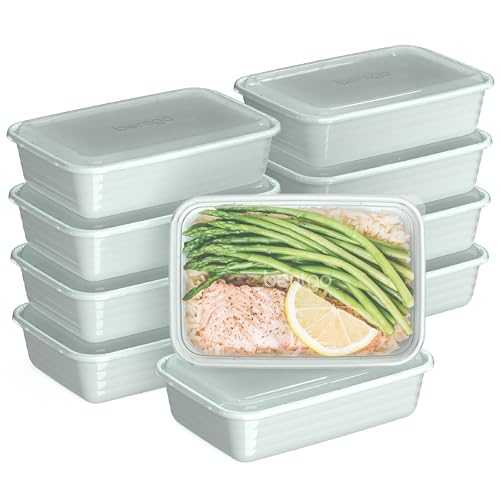
Bentgo Prep Meal Prep Containers with Lids, 20 Piece, PFAS & BPA-Free
- Top Brand for Meal Prep: Bentgo is the leading meal prep brand
- Includes 20 Containers: Lightweight, portable 20-piece set
- Supports Healthy Portioning: 4-cup capacity with embossed measurements
As an affiliate, we earn on qualifying purchases.
As an affiliate, we earn on qualifying purchases.
Comparison table: Microwave, oven, and stovetop reheating
| Method | Speed | Best For | Pros | Cons |
|---|---|---|---|---|
| Microwave | Fast (1-3 min) | Small portions, quick reheats | Convenient, minimal cleanup | Cold spots, uneven heating |
| Oven | Moderate (15-30 min) | Larger quantities, crispy foods | Even heat, better texture | Longer, uses more energy |
| Stovetop | Fast & controlled | Soups, stews, stir-fries | Good control over heat | Requires attention, stirring |
Choosing the right method affects not only convenience but also safety. For example, microwaves are quick but prone to uneven heating, which can leave bacteria alive in cold spots. Ovens provide more uniform heat, reducing this risk, but take longer and use more energy. The stovetop offers precise control, ideal for dishes like soups or stir-fries where you can stir constantly. Understanding these tradeoffs helps you make safer choices tailored to your meal and schedule.
Alpha Grillers Instant Read Meat Thermometer Digital, Cooking, Food, Grill
- Instant Read Response: 2-second temperature reading
- Versatile Use: Suitable for grilling, baking, and more
- Easy-to-Read Display: Bright backlit digital screen
As an affiliate, we earn on qualifying purchases.
As an affiliate, we earn on qualifying purchases.
Timing tips: How long does reheating take?
Most leftovers reach 165°F within 2 minutes in the microwave, but this depends on the volume, initial temperature, and microwave wattage. Larger or denser dishes like lasagna or casseroles may need 10-15 minutes in the oven at 350°F, with occasional stirring or rotation to promote even heating. The key is patience—rushing can leave cold pockets where bacteria survive.
Always verify the temperature before eating. If you’re reheating multiple portions or leftovers stored over several days, add extra time and continue checking. Remember, the goal isn’t just to warm the surface but to ensure the entire dish is hot enough internally to be safe.
Tradeoff: faster reheating can risk uneven temperatures, so patience and proper technique are essential to safety.
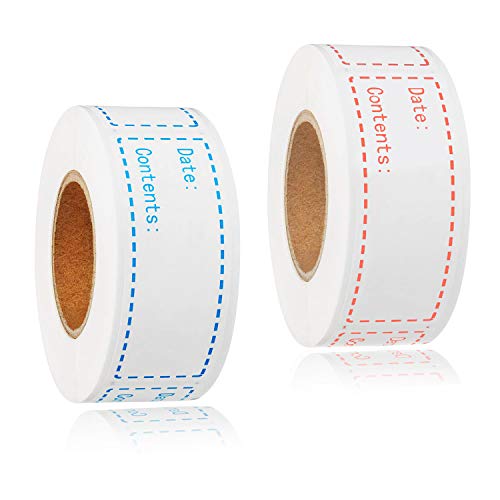
300pcs Removable Freezer Labels, Yoget 1 x 3 Inch Food Labels, Refrigerator Freezer Tape Label Easy Clean Leaves No Residue, 2 Color Label Stickers Roll
- Clear Food Freshness Labels: Quickly identify food validity
- Removable and Easy to Use: Peel and stick without residue
- Versatile Surface Compatibility: Suitable for containers and packaging
As an affiliate, we earn on qualifying purchases.
As an affiliate, we earn on qualifying purchases.
Why quick cooling and proper storage matter before reheating
Food left out over two hours in the temperature danger zone (40°F-140°F) can multiply bacteria rapidly, increasing the risk of foodborne illness. Proper storage at or below 40°F slows bacterial growth, creating a safer environment for future reheating. This isn’t just about avoiding spoilage; it’s about reducing the risk of pathogens that produce toxins resistant to heat.
Cooling hot leftovers quickly in shallow containers accelerates the cooling process, minimizing bacteria multiplication. If leftovers are stored improperly—say, in a deep pot or left out on the counter—they can become unsafe even if reheated later. Good storage practices directly impact reheating safety, making the initial cooling step crucial for overall food safety.
Recent tech upgrades making reheating safer and easier
Smart thermometers and connected kitchen gadgets now help monitor food temps remotely, providing real-time alerts when the internal temperature reaches 165°F. This removes guesswork and ensures safety without constant supervision. For example, a smart probe can be inserted into a dish, and your phone alerts you when it hits the target temperature, reducing the risk of under- or over-heating.
Additionally, innovations in microwave-safe containers feature materials designed to heat more evenly, reducing cold spots where bacteria might survive. Some appliances now include built-in sensors and automatic stirring, further promoting uniform heating. These advances are making safe reheating more accessible and foolproof, encouraging better practices even for busy home cooks.
Frequently Asked Questions
What is the safest way to reheat leftovers?
The safest way is to use a food thermometer to ensure the internal temperature reaches 165°F. Reheat in short bursts, stirring or rotating to promote even heat, and check multiple spots before eating.
How long can I keep leftovers before reheating?
Leftovers should be stored in the fridge at or below 40°F and consumed within 3-4 days. After that, bacteria can multiply to unsafe levels, even if reheated properly.
Can I reheat food multiple times?
It’s generally best to reheat only once. Multiple reheats increase the risk of bacteria growth and nutrient loss. When possible, reheat only what you plan to eat.
What if I don’t have a thermometer?
Use visual cues—food should be steaming throughout, with bubbling liquids. However, a thermometer provides the most reliable check of safety and don’t guess with leftovers.
Are there specific reheating tips for different foods?
Yes. For rice or pasta, ensure they reach 165°F to kill spores. For meats, check that they’re steaming hot all the way through. Tailor your reheating method based on the dish’s texture and density.
Conclusion
Reheating prepped meals safely isn’t rocket science—just a matter of temperature, timing, and a little attention. Use a thermometer, stir for even heat, and keep leftovers cold until reheating.
Picture that steamy plate, hot all the way through, ready to enjoy without worry. Keep these tips in mind, and your leftovers will stay safe and tasty every time.
Labor Day sales Picks
labor day deals
As an affiliate, we earn on qualifying purchases.