TL;DR
Listen free for 30 days with Audible
Thousands of audiobooks and originals — cancel anytime.
Start your free trialAs an affiliate, we earn on qualifying purchases.
Make-ahead breakfasts like overnight oats, egg bites, and smoothie packs let you enjoy nutritious, quick meals every morning. Proper prep and storage extend freshness, saving time and effort while supporting a balanced diet.
Imagine waking up to a ready-to-eat breakfast, no rush, no fuss. That’s the magic of make-ahead options like oats, egg bites, and smoothie packs. They’re designed to streamline your mornings while keeping nutrition front and center.
Whether you’re rushing out the door or just want to enjoy a nutritious start without the morning chaos, these prep tricks make it easy. Stick around to learn how to set your week up for success with these simple, versatile breakfast ideas.
Batch prep versatile breakfasts like oats, egg bites, and smoothie packs to save time and reduce morning stress.
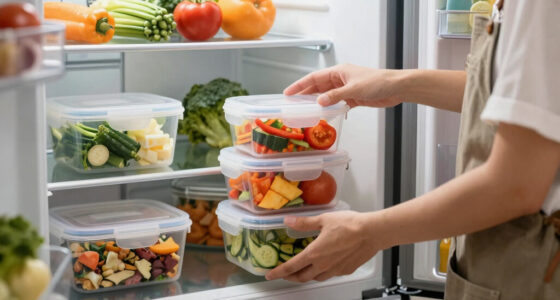
Use airtight containers, label with dates, and follow storage timelines to keep your meals fresh and safe.
Customize recipes with plant-based ingredients and functional add-ins to boost health benefits without extra effort.
Pre-portion smoothie ingredients into freezer packs for instant, nutritious smoothies with minimal cleanup.
Stay flexible—adapt recipes to your dietary needs and tastes for a sustainable, satisfying breakfast routine.
Make-Ahead Breakfasts: Oats, Egg Bites & Smoothie Packs
A little preparation turns breakfast into the easiest decision of the day. Batch the base, portion it well, store it safely—and wake up to balanced meals that are ready when you are.
At a glance
Match each breakfast to its ideal storage window and morning routine.
Three breakfasts, three morning superpowers
Each format solves a different problem: oats deliver grab-and-eat simplicity, egg bites bring warm protein, and smoothie packs make produce nearly effortless.
Overnight oats
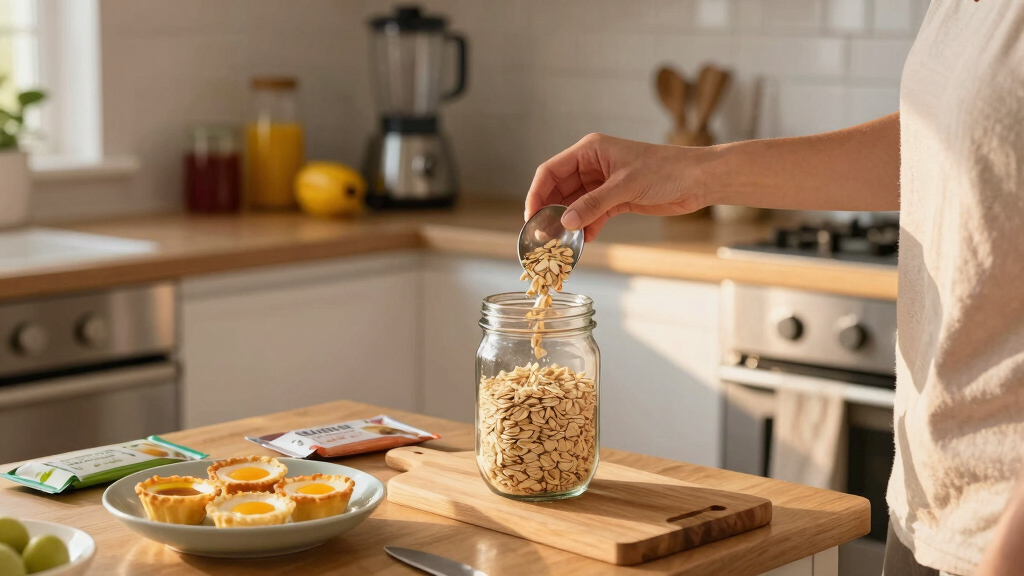
Soak oats with milk or a plant-based alternative, then layer in texture and flavor.
- Use regular oats for softness or steel-cut oats for extra chew.
- Add berries close to serving if excess moisture is a concern.
- Stir in extra milk before eating cold or gently warmed.
Homemade egg bites
Whisk, customize and bake once for a warm breakfast that reheats in seconds.
- Bake in silicone molds or muffin cups at 350°F.
- Cook for 20–25 minutes, until the centers are set.
- Try spinach, peppers, cheese or fully cooked bacon.
Smoothie packs
Pre-portion frozen produce and dry add-ins; add the liquid only when blending.
- Start with spinach, banana and berries for an easy base.
- Freeze promptly to protect quality and reduce spoilage.
- Label contents and date before packs enter the freezer.
Simple formulas, endless variations
Treat these as flexible blueprints. Swap ingredients for dietary needs, use what is in season and keep added sugars in check.
The oat jar
The egg bite tray
The freezer pack
The freshness matrix
Airtight containers, prompt chilling and clear dates protect texture as well as safety. When appearance or smell seems wrong, discard the food.
| Breakfast | Best location | Recommended window | Morning action | Watch for |
|---|---|---|---|---|
| Overnight oats | ✓ Refrigerator | 2–3 days for best freshness | Stir; loosen with milk; eat cold or warm gently | ~ Watery fruit, sour aroma or changed texture |
| Egg bites | ✓ Refrigerator or freezer | Up to 1 week chilled; longer if frozen | Microwave 30–60 seconds until heated through | ✗ Leaving cooked eggs at room temperature |
| Smoothie packs | ✓ Freezer | Best used within 1–3 months | Blend directly from frozen with fresh liquid | ~ Weak seals, freezer burn or missing dates |
Storage times are practical quality guidelines. Keep refrigeration reliably cold and follow local food-safety guidance.
Prep once. Remove five morning decisions.
A repeatable system matters more than a complicated recipe. Build the routine around portioning, labeling and rotating.
Choose
Select two or three formats that fit the week ahead.
Batch
Prepare bases and fully cook ingredients that require heat.
Portion
Divide into realistic single-serving containers.
Label
Mark contents and preparation date before storing.
Rotate
Use the oldest portions first and refresh the batch.
Where the prep movement is heading
The strongest developments make breakfast more adaptable: plant-based proteins, functional add-ins, reusable storage and recipe tools that simplify planning.
More ways to build protein
Tofu, chickpeas and plant-based cheeses expand the egg-bite concept while dairy-free milks keep oat jars adaptable.
Small additions, minimal effort
Chia, flax and collagen peptides can add nutritional variety without changing the basic batch-prep workflow.
Storage becomes part of the recipe
Reusable silicone bags and glass containers reduce disposable packaging and make portions easy to see and rotate.
The breakfast chain reaction
Why Make-Ahead Breakfasts Are Your Morning Best Friend
Making breakfast in advance isn’t just about saving time—it’s about setting yourself up for a healthier, less stressful day. These options reduce morning decision fatigue and help you avoid grabbing sugary snacks or skipping breakfast entirely.
Picture this: a container of creamy overnight oats waiting in your fridge, ready to grab. Or a batch of fluffy egg bites that heat up in seconds. They allow you to enjoy nutritious meals without the morning cooking or prep.
Plus, they’re incredibly customizable. You can tailor them to your dietary needs and taste preferences, making healthy eating easier and more enjoyable.

Vtopmart 5Pack 22oz Glass Storage Containers with Lids, Grey
- Meal Prep and Food Storage: Perfect for meal prep, lunches, leftovers
- Leakproof Hinged Lids: Innovative lids prevent spills and leaks
- Easy-to-Clean Silicone Seals: Removable seals for simple washing
As an affiliate, we earn on qualifying purchases.
As an affiliate, we earn on qualifying purchases.
How to Prep Overnight Oats That Stay Fresh All Week
- Choose your base: Regular oats or steel-cut oats work best for soaking. Use milk or plant-based alternatives like almond or oat milk for creaminess.
- Add flavor and texture: Mix in fruits, nuts, seeds, or sweeteners. Think blueberries, chopped almonds, chia seeds, or a drizzle of honey.
- Pour into jars or containers: Seal tightly and refrigerate overnight. Most oats last 2-3 days, but some can stay fresh up to 5 days.
- Serve cold or warm: Stir in extra milk if needed and enjoy straight from the fridge or warmed gently in the microwave.
Choosing the right ingredients impacts both the texture and safety of your overnight oats. For example, steel-cut oats take longer to soften but offer a chewier texture and more fiber, which can promote longer satiety. Using dairy or plant-based milks influences creaminess and flavor; some alternatives may spoil faster, so always check for freshness. Incorporating fruits and nuts adds nutritional variety and flavor, but they can also introduce moisture or spoilage risks if not stored properly. For instance, berries are rich in antioxidants but can release moisture that may cause oats to spoil faster if not consumed within a few days. Understanding these tradeoffs helps you balance taste, nutrition, and food safety, ensuring your make-ahead breakfast remains both delicious and safe to enjoy throughout the week.

6 Pack Overnight Oats Containers with Lids and Spoons, 16 oz Glass Mason Overnight Oats Jars, Large Capacity Airtight Jars for Milk, Cereal, Fruit
- Set of 6 colorful jars: Includes 6 jars with lids and spoons
- High-quality borosilicate glass: Durable, BPA-free, dishwasher safe
- Large 16oz capacity: Perfect for overnight oats, cereal, and fruit
As an affiliate, we earn on qualifying purchases.
As an affiliate, we earn on qualifying purchases.
Why Homemade Egg Bites Beat Starbucks — And How to Make Them at Home
Egg bites are fluffy, protein-packed, and endlessly customizable. Making them at home gives you control over ingredients, avoiding preservatives and excess salt. They’re perfect for batch cooking and reheating.
Start with a simple recipe: whisk eggs, add your favorite fillings—spinach, cheese, cooked bacon, or roasted peppers. Pour into silicone molds or muffin tins, then bake at 350°F for 20-25 minutes.
Refrigerate for up to a week or freeze for longer storage. To reheat, microwave for 30-60 seconds. They come out moist and flavorful every time.
Making egg bites at home also allows you to tailor the flavor profiles to your dietary needs and preferences. For example, adding vegetables increases fiber and micronutrients, while choosing low-sodium cheeses can help reduce salt intake. The process of making them in bulk encourages experimentation with different ingredients, which can lead to discovering new flavor combinations you might not find at a coffee shop. This control over ingredients means fewer preservatives and additives, making them more wholesome. The tradeoff is that homemade egg bites might require a bit more effort initially, but understanding how ingredient choices and preparation methods affect flavor, texture, and shelf life helps you create a variety of nutritious options. This flexibility means you can customize each batch to suit your dietary goals and taste preferences, resulting in a more satisfying and healthful breakfast experience every morning.

Ninja Nutri-Plus Personal Blender, 900PW, (3) 20oz Cups, Silver, BN301
- Powerful 900W Motor: Intuitive push-to-blend operation
- Pro Extractor Blades: Crushes ice and breaks down produce
- Blend to-Go Cups: Includes 3 portable 20oz cups with lids
As an affiliate, we earn on qualifying purchases.
As an affiliate, we earn on qualifying purchases.
How to Prepare and Store Smoothie Packs for Instant Nutrition
Making smoothie packs is a game changer for busy mornings. It’s as simple as pre-portioning your favorite fruits, vegetables, and add-ins into freezer bags or containers.
For example, fill a bag with a cup of spinach, a frozen banana, half a cup of berries, and a scoop of protein powder. Seal and freeze.
When ready, just dump the contents into your blender, add liquid (milk, juice, or water), and blend until smooth. No chopping, no measuring—just dump and go.
Using these pre-portioned packs not only saves time but also encourages consistency in your smoothies. It ensures you include a balanced mix of ingredients, which can help maintain your nutritional goals. Additionally, pre-portioning reduces waste and prevents the need for last-minute ingredient measurement, which can sometimes lead to inconsistent flavor or texture. Properly freezing these packs quickly after prep preserves the freshness and nutrients of the ingredients, preventing spoilage and nutrient loss. Labeling each pack with its contents and date helps you manage your stock and avoid using ingredients past their peak quality. This method simplifies your morning routine by making nutritious smoothies accessible with minimal effort, but it’s important to understand that proper portioning, quick freezing, and clear labeling are key to maximizing freshness, nutritional value, and safety of your make-ahead smoothies.

Redfly 2 Pack Silicone Muffin Pans for Baking & Cupcake Pan – 12 Cup Regular Size Silicone Molds, BPA Free Egg Bites Mold
- Perfect Size for Standard Muffins: 12 cups, 2.75-inch diameter each
- Made from Food-Grade Silicone: BPA-free, safe, durable material
- Easy Release and Baking: Smooth surface ensures effortless removal
As an affiliate, we earn on qualifying purchases.
As an affiliate, we earn on qualifying purchases.
The Latest Trends in Make-Ahead Breakfasts
Plant-based ingredients are taking center stage. Think tofu scramble, chickpea-based egg bites, or oats infused with spirulina. These options cater to vegans and those reducing meat, but they also introduce new textures and flavors that challenge traditional breakfast ideas. Understanding the implications of choosing plant-based options reveals tradeoffs: while they often contain fewer saturated fats and can be more sustainable, some may have a different texture or flavor profile that might require adjustment in recipes or preparation methods. Functional foods like collagen, chia, flax, and adaptogens are now common additions—boosting immune support, digestion, or energy levels. Incorporating these ingredients can transform a simple breakfast into a health-optimized meal, but it’s essential to understand their effects—some may have strong flavors or require specific dosages to be effective. Eco-friendly packaging is also booming. Reusable silicone bags, glass containers, and compostable wraps help reduce waste while keeping your fridge organized. This shift not only benefits the environment but also encourages mindful consumption and storage practices. Plus, apps and online communities offer endless inspiration and customizable meal plans, making prep more fun and less lonely. Expect more tailored recipes for keto, paleo, gluten-free, and allergen-free diets, reflecting the diversity of modern eating habits. These trends demonstrate a move toward more inclusive, sustainable, and health-conscious breakfast routines, but understanding the tradeoffs involved ensures you make choices that best suit your needs and values.
When and How to Store Your Make-Ahead Breakfasts Safely
Proper storage is the secret to keeping your breakfasts fresh and safe. Most overnight oats stay good for 2-3 days in the fridge, but this can vary depending on ingredients—perishable toppings like dairy or fresh fruit might spoil sooner, so understanding how different ingredients affect shelf life is crucial. Egg bites, with their cooked eggs and fillings, can last up to a week if stored in airtight containers at or below 40°F, but their safety depends on proper handling and storage conditions. Smoothie packs are best used within 1-3 months if frozen, as prolonged freezing can degrade texture and nutrients. Using airtight containers and labeling with dates helps track freshness and prevent spoilage. Reheat egg bites in the microwave or oven, and blend smoothies directly from frozen for convenience. It’s vital to be vigilant—if anything smells off, develops mold, or looks slimy, discard it. Food safety isn’t just about storage time but also about awareness of signs of spoilage, which can prevent foodborne illnesses. For example, a batch of egg bites stored in a sealed container can be reheated quickly on busy mornings, but only if they are still safe to eat. Proper storage practices extend the usability of your make-ahead breakfasts and protect your health, making it essential to understand and follow recommended guidelines for each type of meal.
Frequently Asked Questions
How long can I store overnight oats safely in the fridge?
Most overnight oats stay fresh for 2 to 3 days in the fridge. This window balances the oats’ absorption of flavors and the potential for spoilage. Consuming them within this timeframe ensures the oats retain their texture and safety. If you include perishable toppings like fresh fruit or dairy, it’s best to consume sooner, as these can spoil more quickly. Understanding this storage window helps prevent foodborne illness and ensures your breakfast remains tasty and nutritious.
Can I freeze egg bites for longer storage?
Yes, egg bites can be frozen for up to 3 months, which is ideal for preserving their freshness and flavor. Proper packaging—such as airtight containers or freezer bags—prevents freezer burn and maintains quality. When reheating, microwave for 30-60 seconds or bake briefly to restore moisture and texture. Freezing extends their shelf life, but be mindful to consume them within this period to enjoy optimal taste and safety. This flexibility allows you to batch cook and enjoy homemade egg bites over an extended period, reducing waste and ensuring you always have a nutritious option ready.
Are smoothie packs healthy and easy to make?
Absolutely. Pre-portioning fruits, vegetables, and add-ins into freezer bags preserves nutrients and simplifies your morning routine. It ensures you include a balanced variety of ingredients, supporting your dietary goals, whether for weight management, increased fiber, or specific nutrients. Blending from frozen keeps the smoothie cold and thick without needing ice, which can dilute flavors. Understanding the importance of proper portioning, quick freezing, and clear labeling is key to maintaining freshness, maximizing nutrient retention, and ensuring safety. These smart practices help you create consistent, nutritious smoothies effortlessly, making healthy eating more accessible and sustainable.
What if I don’t have time to prep every night?
Batch prepping on weekends or days off is a practical solution. By assembling your oats, egg bites, and smoothie packs in advance, you create a stockpile of nutritious options that only need reheating or blending in the morning. This approach minimizes daily cooking and decision-making, making healthy eating more sustainable amidst busy schedules. It also allows you to experiment with different ingredients and flavors during your prep sessions, which can enhance variety and enjoyment. Investing a few hours during your free time ensures that your mornings are streamlined, stress-free, and nutritious, helping you stay consistent with your health goals even on hectic days.
How can I adapt recipes for dietary restrictions?
Adapting recipes to fit dietary restrictions involves understanding ingredient substitutions and their implications. For example, using plant-based milks like almond, soy, or oat milk can maintain creaminess while catering to dairy allergies or vegan diets. Egg substitutes such as flaxseed or chia seed gels can replace eggs for vegans or those with allergies, but they may alter texture or flavor, requiring some experimentation. Choosing gluten-free oats or grain alternatives helps accommodate gluten sensitivities, but each substitution can influence the final product’s consistency. Understanding these tradeoffs allows you to tailor recipes to your needs without sacrificing taste or nutrition. Experimenting with different ingredients and preparation techniques ensures your make-ahead breakfasts remain inclusive, satisfying, and aligned with your health goals, making your routine both flexible and sustainable.
Conclusion
Prepping your breakfasts ahead isn’t just a time-saver—it’s a way to start your day with intention and nutrition. With a little planning, you can enjoy warm, hearty oats, fluffy egg bites, or vibrant smoothies whenever mornings get hectic.
Think of it as giving yourself a breakfast gift every night. When you open your fridge or freezer in the morning, that’s the moment you realize how smart, simple, and delicious meal prep can be.
Back to school Picks
back to school
As an affiliate, we earn on qualifying purchases.